How to revive production in Kazakhstan
I visited a once-promising eco-friendly waste processing plant in Astana, especially for rubber. Three or four years ago it was operational, then ready for use. Now the wall has collapsed and the area is fenced off.
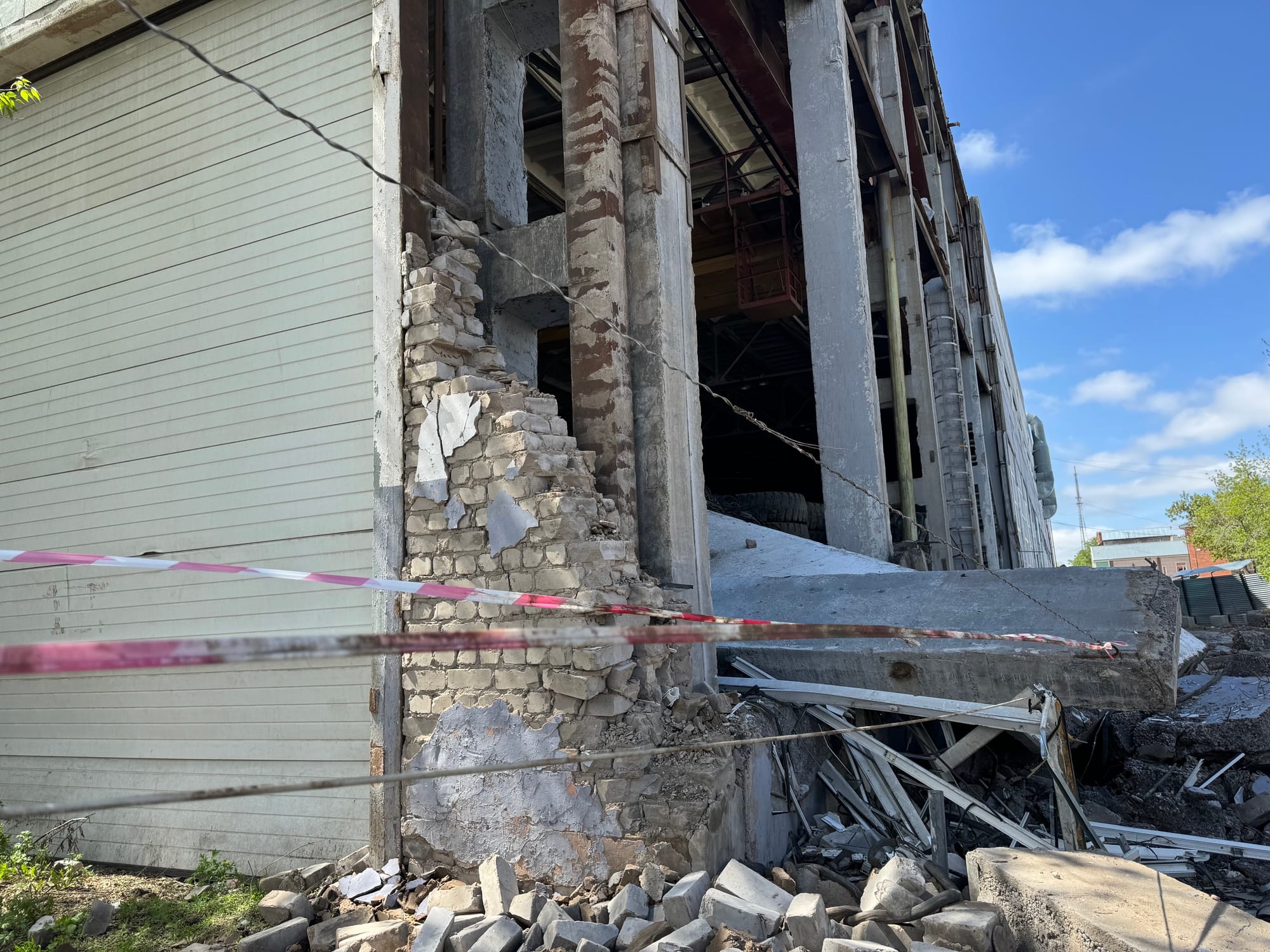
I went to see a once very promising and environmentally friendly waste processing plant in Astana, specifically for rubber. Three or four years ago, this enterprise was first operational, then in a "come in and work" state. Now, a wall of the plant building has collapsed, and the area has been fenced off.
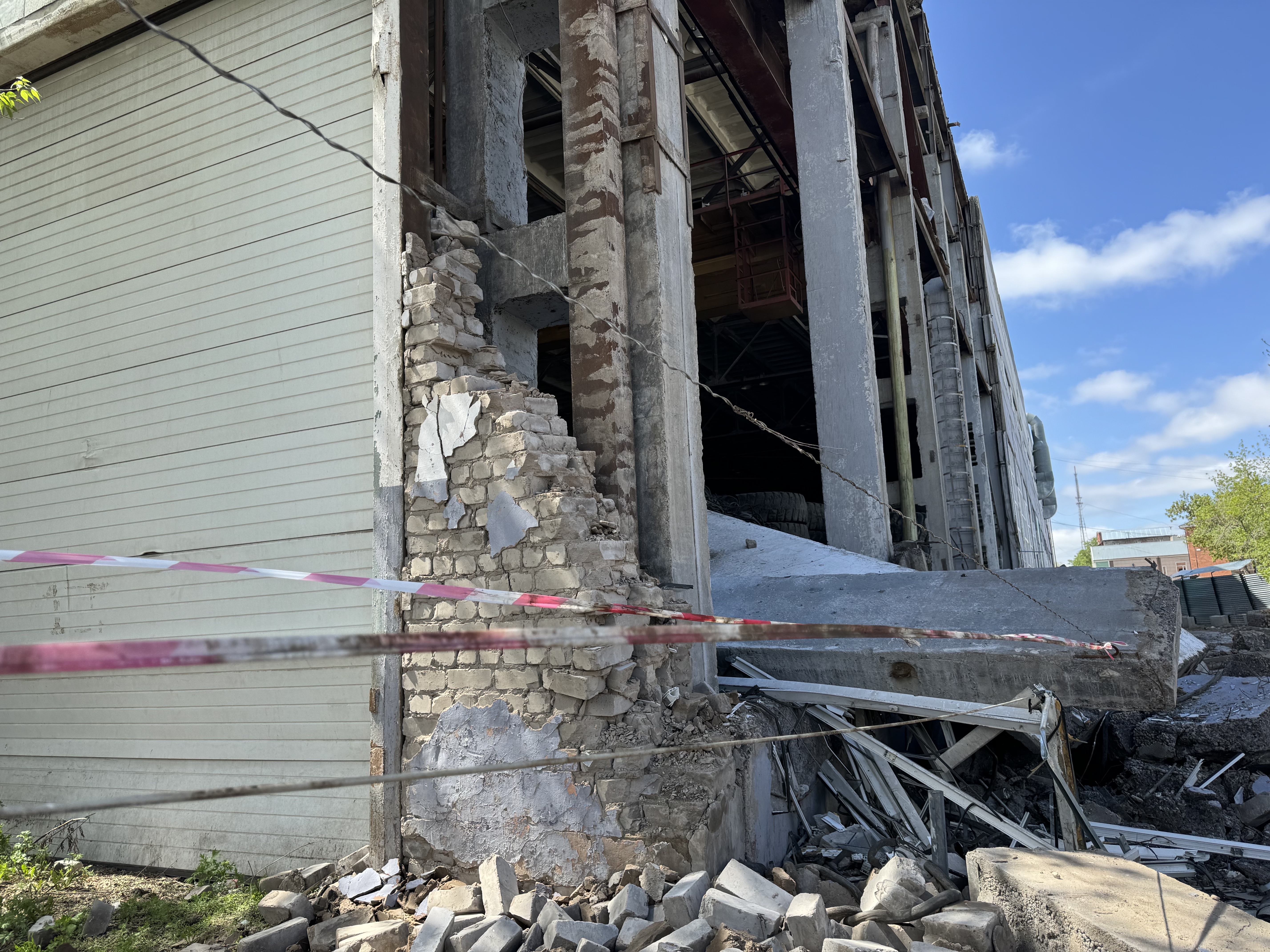
The brilliant raiders from the Masimov era, using the infamous IFC (Investment Fund of Kazakhstan), whose chairman at the time was the then little-known Kuandyk Bishimbayev, pulled off numerous schemes, ultimately taking over a plant worth billions for a pittance. The "ROP Operator," then owned by Aliya Nazarbayeva, actively helped bankrupt "Kazakhstan Rubber Recycling," a waste processing plant.
As a result, the inexplicable urge of old-clan Kazakhstan to stuff all fists into one mouth led to the expected failure. The mouth, however, did not burst, but the fingers broke.
The deal to acquire IFC assets is also compared to buying a refrigerator at a discount. Roughly speaking, they bought a refrigerator at a discount for a couple of thousand dollars, but inside there were several million dollars' worth of red caviar, vintage wines, and meat from Japanese cows, with a price per kilogram higher than what we pay for a whole bull here.
After the Kantar incident, the deal to seize the plants was declared invalid, and the assets are being returned to Baiterek; for now, they are on the balance sheet of the State Property Committee. It would be logical to go further and look at how exactly these enterprises ended up in Baiterek's portfolio. You don't need to be a super analyst; the relevant departments can easily figure it out.
On FBRK, we analyze in detail the story of "how IFC plants were bankrupted" and it is sometimes very interesting how human meanness can coexist with stupidity and, at the same time, cunning.
Endi, kazir we have three paths:
- Put the property up for auction at the value stated in Baiterek and wait for investors from the world of pink unicorns and flying ponies who will buy it, invest, and launch production. In reality, they will then scrap the equipment for metal.
- Try to launch the plants and manage them with the forces of the quasi-public sector. This will most likely be spectacular, but short-lived, followed by bankruptcy and prison sentences.
- Return the plants to their former owners, who guarantee they will launch production and the enterprises will operate. The ex-owners are even ready to buy back their own enterprises. This is most likely the only option that has a chance.
By the way, besides the capital's "Kazakhstan Rubber Recycling," the portfolio included a giant like the Semey Tannery, and after its closure, farmers simply throw animal hides into the trash—export markets were killed by bans, and domestic production was bankrupted.
The question is simply what we want from these enterprises—for the plants and production to work, or a house in London for the daughter's coming of age and vineyards in France? If it is important for us to revive production, the answer is obvious.
Comments ()