54 ownerless flowing wells to be eliminated by year-end in Kazakhstan
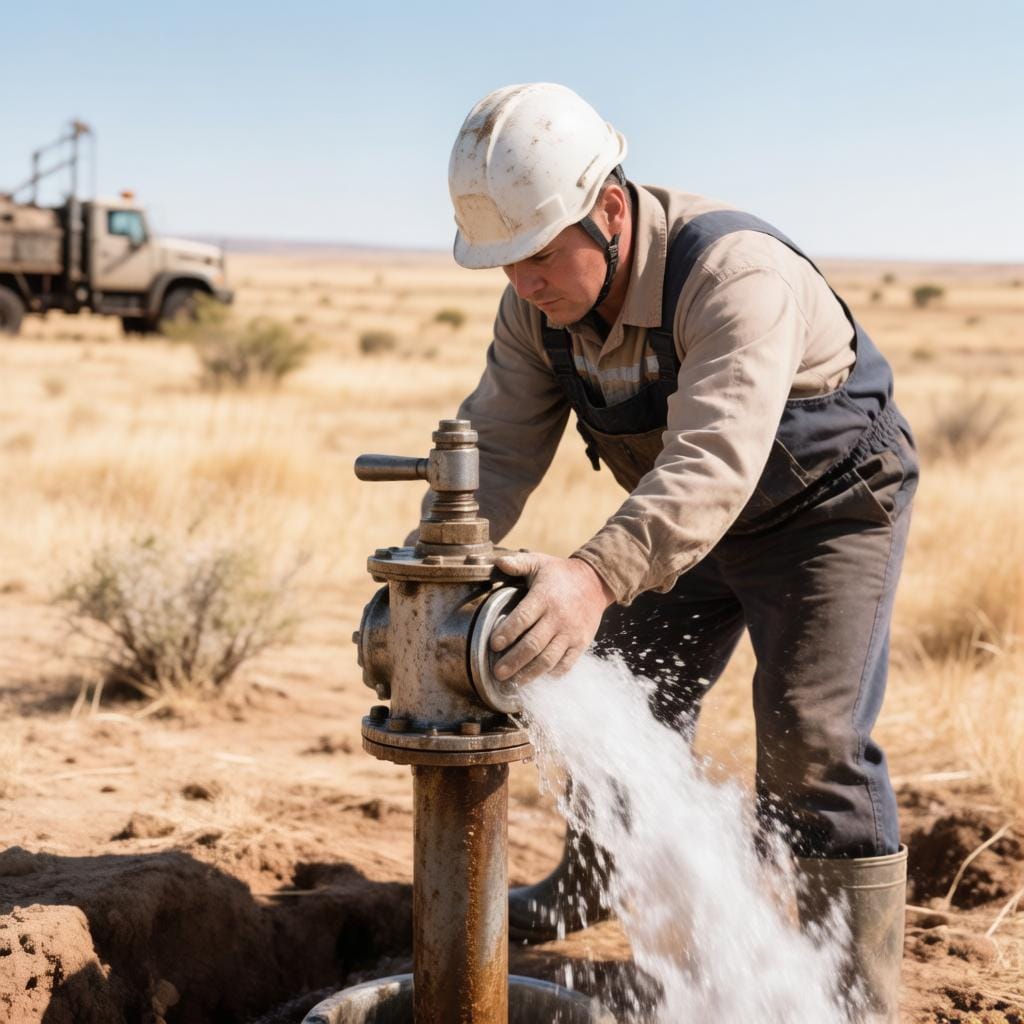
Water flowing uncontrolled from the ground for years is common in Kazakh regions with many old hydrogeological wells. The Ministry of Water Resources has decided to tackle this legacy systematically.
In parallel, the ministry is preparing a document that should define the rules for working with groundwater for the next decade and a half, writes Kursiv.media.
The gist in brief
- By the end of 2026, Kazakhstan plans to decommission 54 ownerless self-flowing wells under 10 projects, as well as survey another 698 wells in Atyrau, Mangystau, Pavlodar, and Ulytau regions — said Vice Minister of Water Resources and Irrigation Talgat Momyshev.
- The Ministry of Water Resources has developed a draft concept for the integrated use and management of groundwater for 2027–2040; the document is currently at the stage of coordination with government agencies, and its adoption is expected by the end of the current year.
- The country has explored 4,803 groundwater deposits and areas with approved operational reserves of 43.2 million cubic meters per day — this is only part of the forecast resources, which are estimated at 176.1 million cubic meters per day, more than four times the already explored reserves.
- By the end of 2026, Kazhydrogeology plans to implement 38 projects for prospecting and evaluation work, with another 88 projects planned for 2027–2029.
Why decommission wells
Self-flowing wells without an owner are not just an aesthetic problem. Uncontrolled outflow means a constant loss of groundwater without any accounting or beneficial use, as well as the risk of gradual depletion of the aquifer and flooding of the adjacent territory. Reducing the number of such ownerless wells is directly embedded in the already existing concept for the development of Kazakhstan's water resources management system for 2024–2030 — that is, the current work is not a one-time action, but part of an earlier adopted program.
What the concept until 2040 should change
The gap between explored reserves (43.2 million cubic meters per day) and forecast resources (176.1 million cubic meters) is the key figure for understanding the logic of the new concept. It clearly shows that Kazakhstan is far from using groundwater at full capacity, and at the same time a significant part of already explored reserves may be wasted precisely through such ownerless wells. The document being prepared for 2027–2040 is intended to close this gap systematically — to increase the efficiency of groundwater development, ensure sustainable water supply for settlements and economic sectors, and at the same time contribute to preserving the water fund, rather than simply increasing extraction volumes.
Springs and a digital database
A separate area of work is the survey of natural springs and the conversion of accumulated archival materials into digital format. In Zhambyl region, 586 springs have already been surveyed — the first region where this work is practically completed; subsequently, the survey will gradually cover the entire country. The collected data is planned to be integrated into the National Information System of Water Resources to form a unified database for accounting, monitoring, and analysis of the state of groundwater — that is, springs that previously existed outside any systematic statistics will for the first time receive a place in the overall picture of the country's water fund.
The same statistics as before — a good sign
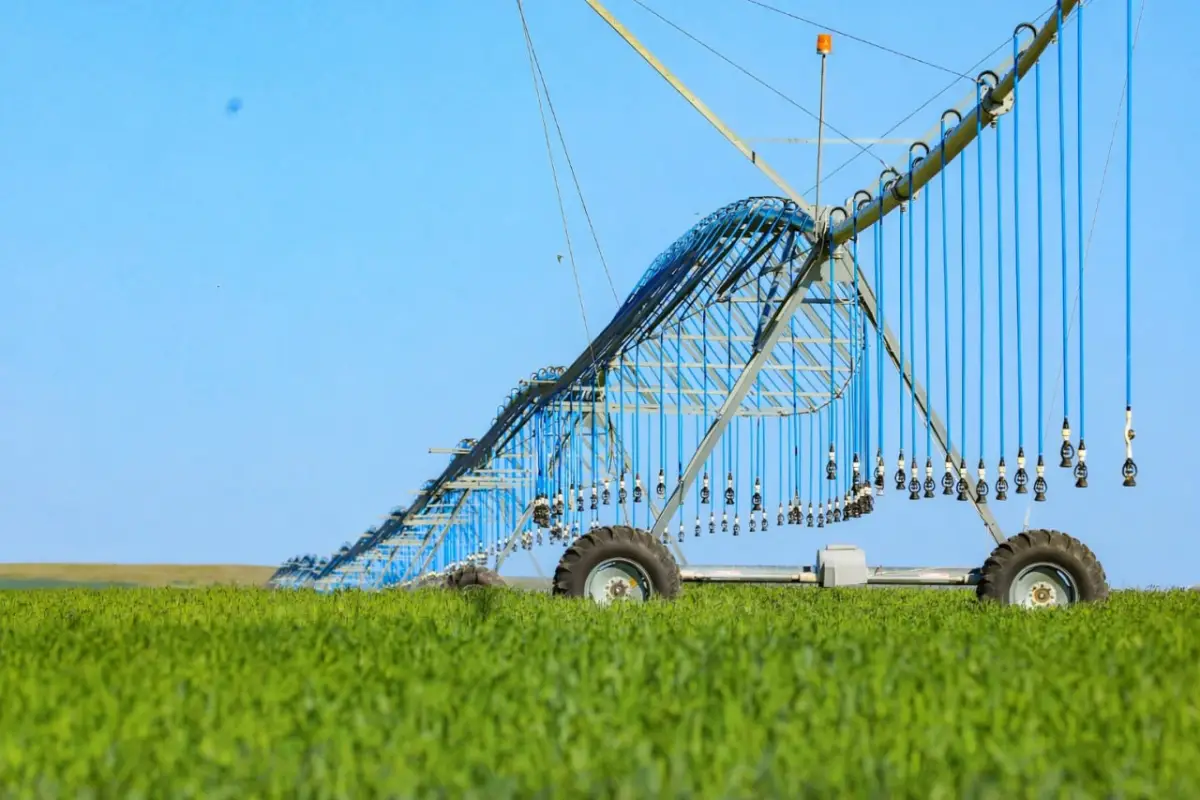
Momyshev repeated two figures that had already appeared in earlier ministry reports: the coverage of irrigated land with water-saving technologies has grown since the beginning of the year by 158,800 hectares and reached 702,300 hectares, and regarding the transition of industrial enterprises to circulating and reuse water supply, 191 plans have been developed, 91 are at the coordination stage, and another 278 are in progress. The coincidence of these figures in two separate speeches by the same ministry, made several days apart, is a small but useful sign of the internal consistency of official statistics, although by itself it does not replace independent verification.
Author's conclusion
The decommissioning of self-flowing wells is one of those tasks where progress can be verified physically, not only by reporting figures: a well is either shut in or continues to uncontrolledly discharge water. This favorably distinguishes such projects from more general statistical indicators such as the coverage of water-saving technologies. But the final verification of the entire concept for 2027–2040 is still ahead — the document is still under coordination, and its real effectiveness will become clear only when the country begins to systematically reduce the gap between explored and forecast groundwater reserves, rather than simply declaring such a goal on paper.
Comments ()