A large fattening complex for 50 thousand head opened in Turkestan region
A feedlot capable of fattening up to 50,000 head of cattle per year has opened in the Kozhatogai rural district of the Turkestan Region.
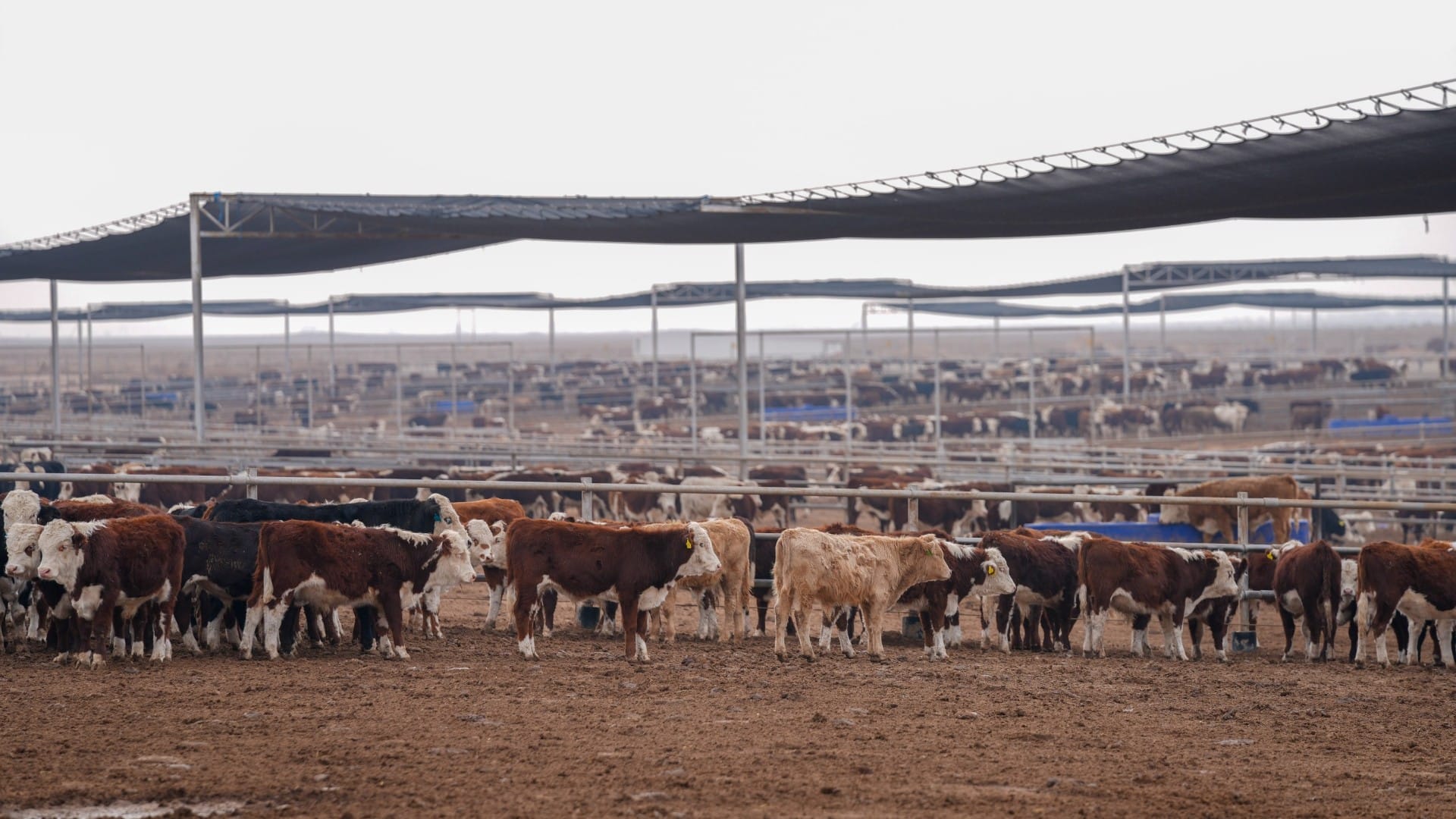
The complex was built using Australian technologies and will be able to produce up to 15 thousand tonnes of meat annually, the Prime Minister's press service reports.
The gist in brief
- The complex is designed to fatten up to 50 thousand head of cattle per year and produce up to 15 thousand tonnes of meat.
- The project was implemented by Turkistan Agro KZ LLP of the Qaiyp Ata group of companies with a full cycle from feed to meat sales.
- Australian technologies were used in construction.
- The share of agriculture in the country's GDP is currently about 6%, and in the future they want to bring it to 10%.
What was opened in the Turkistan Region
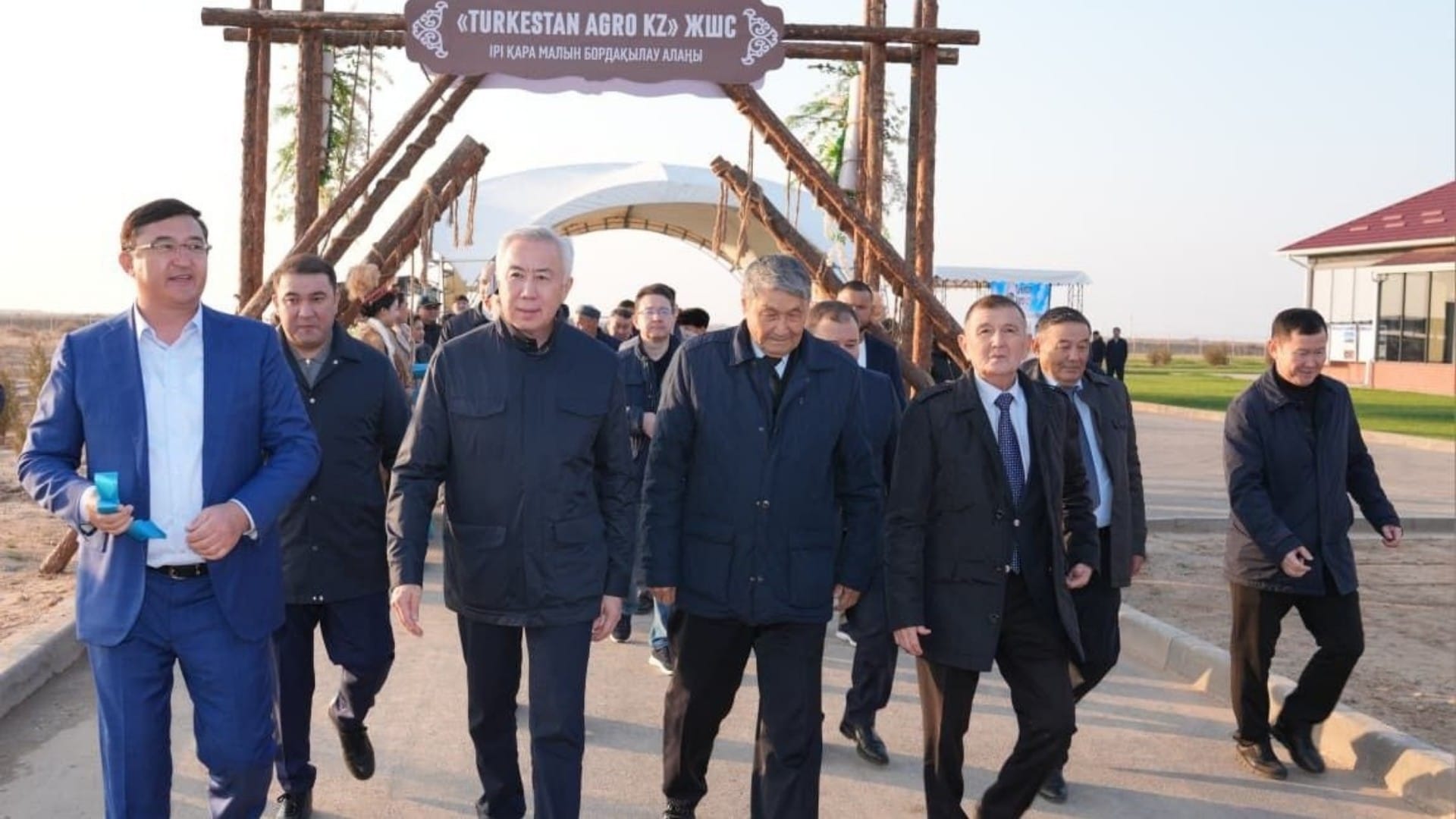
Deputy Prime Minister - Minister of National Economy Serik Zhumangarin took part in the opening of the complex. The project was implemented by Turkistan Agro KZ LLP, which is part of the Qaiyp Ata group of companies. It provides for a full cycle: cultivation of fodder crops, cattle fattening, slaughter, processing and sale of finished meat products.
How the project is structured
The group's structure already includes a meat processing enterprise with a capacity of 7.2 thousand tonnes of products per year and a feed mill with a capacity of 46 thousand tonnes per year. At the same time, projects are being implemented for the cultivation of fodder crops on 1.4 thousand hectares with sprinkler irrigation and the construction of a modern livestock exchange with a capacity of 12 thousand head.
What the Australian experience provides
Since 2024, Kazakhstan has been introducing certain elements of the Australian beef cattle model: they are aimed at increasing livestock productivity, reducing costs, developing fattening complexes and modern livestock trading infrastructure. Zhumangarin recalled that three years ago he travelled to Australia together with Kazakh farmers to study best practices, and now this experience is being applied in practice. Livestock genetics are also to be improved with the help of American technologies: the Ministry of Agriculture agreed with Trans Ova Genetics on the creation of a specialised livestock embryology laboratory.
What is said about the industry's prospects
According to the minister, Kazakhstan has opportunities for development: vast pastures, a feed base, specialists and export potential. Last year meat exports exceeded 100 thousand tonnes, but for the country this is not the limit. At the same time, beef exports remain under restrictions: in June 2026, the Ministry of Agriculture planned to extend the quota of 25 thousand tonnes for another six months in order to stabilise the domestic market and provide processors with raw materials. The share of agriculture in the country's GDP today is about 6%, and in the future the minister sets the task of bringing it to 10%. At the same time, the Minister of Agriculture warned that regions that have not fulfilled their livestock development targets will not receive money for new projects in 2027.
What is the situation with livestock farming in Central Asia
Neighbours are also investing in the industry. The Asian Development Bank plans to allocate to Uzbekistan a concessional loan of USD 60 million and a grant of USD 8 million for climate-resilient livestock farming for about 29 thousand small farms. The International Fund for Agricultural Development intends to provide Kyrgyzstan with a loan of USD 21.4 million for pastures and livestock farming. Kyrgyz exports of live animals in January-August 2026 grew by 47.44% to USD 6.5 million, and almost all of it went to Uzbekistan.
Author's conclusion
The complex is conceived as a link in a chain: feed, fattening, slaughter and processing are combined under one roof, while the group's meat processing and feed mills are already operating. Whether it will become a notable player in exports will be shown by the conditions for export: the beef quota was planned to be extended in June, and where the meat from the new complex will go depends on its fate.
Comments ()