Access to global breeding — why Kazakhstan wants to join UPOV
A UN report warns the world about the risks of excessive seed sector formalization for farmers. Kazakhstan is meanwhile preparing to take exactly this step.
The reasons for this are difficult to call unfounded.
The essence in brief
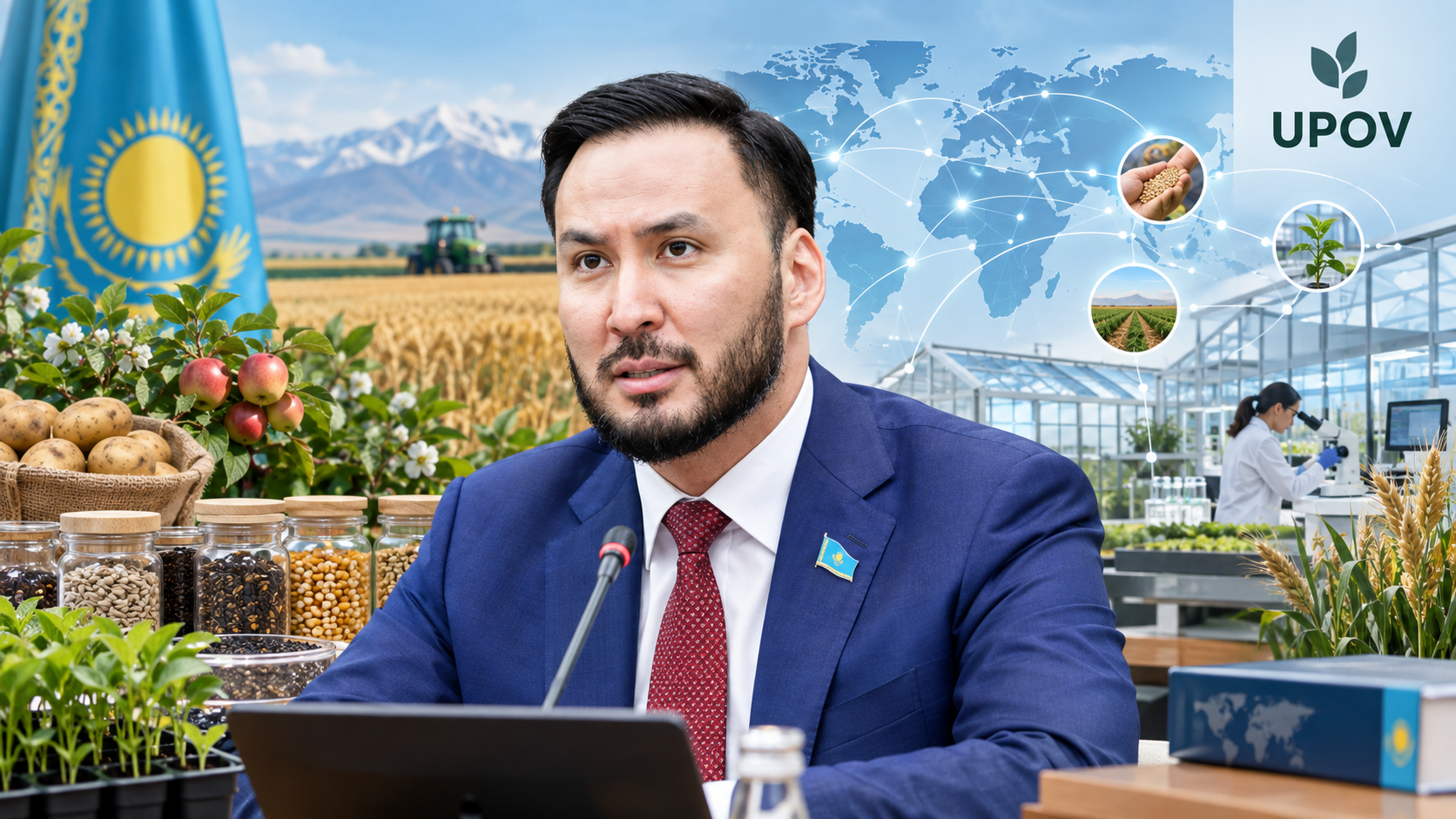
- The Respublica party faction presented a draft law "On the Protection of Breeding Achievements" in the Kurultai, bringing Kazakhstani legislation into compliance with the International Convention for the Protection of New Varieties of Plants (UPOV) — MP Aidarbek Khojanazarov called this a way to open access to global genetics for Kazakhstani agribusiness.
- The reason for urgency is simple: foreign breeding companies do not transfer genetic material to Kazakhstan and do not issue licenses for variety propagation, considering the country a high-risk territory precisely because of its lack of UPOV membership.
- The problem is particularly acute in potato growing and fruit growing — for certain crops, only one institution in the country is engaged in breeding work, and out of 167 certified seed producers, only 33 have modern equipment.
- Experts estimate the potential export of Kazakhstani potato seeds at $2.5 billion, but so far this potential remains unrealized precisely because of limited access to advanced global breeding.
The logic of the draft law
The argument of the initiative's authors is straightforward: without joining UPOV, foreign breeders simply do not risk entering Kazakhstan, since they have no guarantees of protection for their rights to varieties.
"We are opening access to global genetics for Kazakhstani agribusiness," Khojanazarov stated, directly linking this to the country's food security.
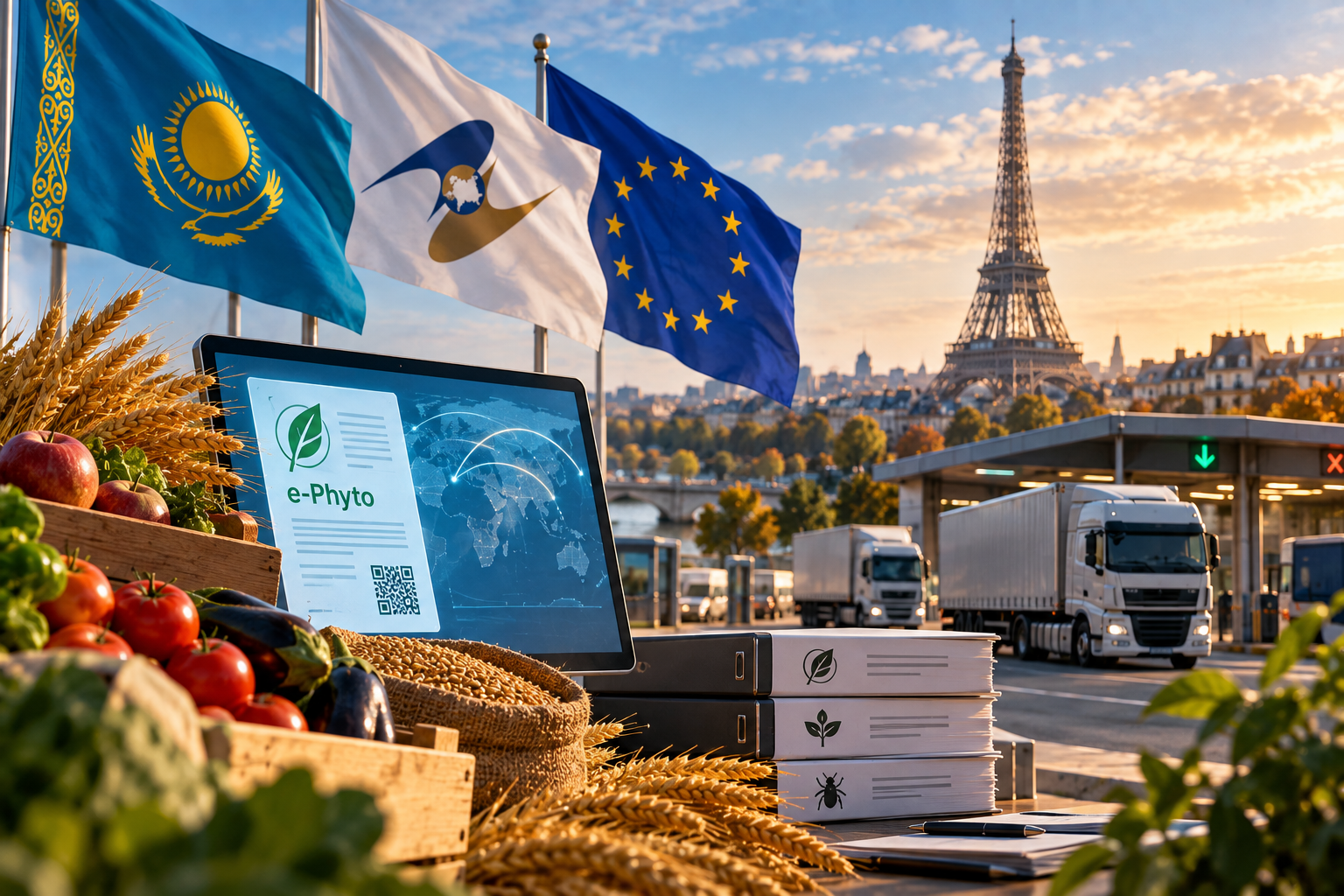
According to the authors' vision, joining the convention will give foreign companies legal protection to operate in Kazakhstan, and Kazakhstani breeders — the opportunity to bring their own developments to the international market with similar guarantees. Kazakhstan has already committed to joining UPOV under its agreement with the European Union, and the other EAEU countries are already parties to the convention.
The other side of the same process
This draft law is a direct continuation of a topic we examined quite recently: a UN Working Group on the rights of peasants report warned about growing legal risks for traditional seed farming worldwide — from criminal prosecution for seed exchange to the patenting of genetic resources that local communities had used freely for centuries. UPOV is a system for protecting the rights specifically of breeders and commercial varieties, and represents exactly the type of formalized legal regime whose risks of excessive expansion the report's authors warned about. At the same time, the motivation behind the Kazakhstani draft law looks different from the cases described by the UN — not restricting farmers' existing rights to exchange their own seeds, but expanding access to quality foreign genetics, which is currently simply lacking. Nevertheless, the very formalized logic of protecting rights to varieties is precisely the direction that the UN report urged should be accompanied by parallel guarantees for traditional seed farming, rather than being treated as a self-sufficient measure.
Author's conclusion
The Kazakhstani case shows that the dilemma formulated by the UN report — between the need for formal protection of rights to varieties and the risk of displacing traditional practices — is not abstract, but is unfolding right now around a specific draft law. The arguments for joining UPOV look well-founded: access to global genetics is indeed limited, and the potential export effect of $2.5 billion from potatoes alone is hard to ignore. But precisely because the law is being considered as a technical alignment with an international convention, it is worth thinking ahead about how the new regime for protecting breeding achievements will relate to the rights of ordinary Kazakhstani farmers to preserve and exchange their own already-cultivated seed varieties — a question that the UN report directly calls key in any expansion of formal protection of variety rights.

Comments ()