Climate and debt are ruining Brazilian farmers — farm auction sales have increased by 30%
In 2025, Brazil auctioned 14,219 farms seized by banks for debt—30% more than the previous year.
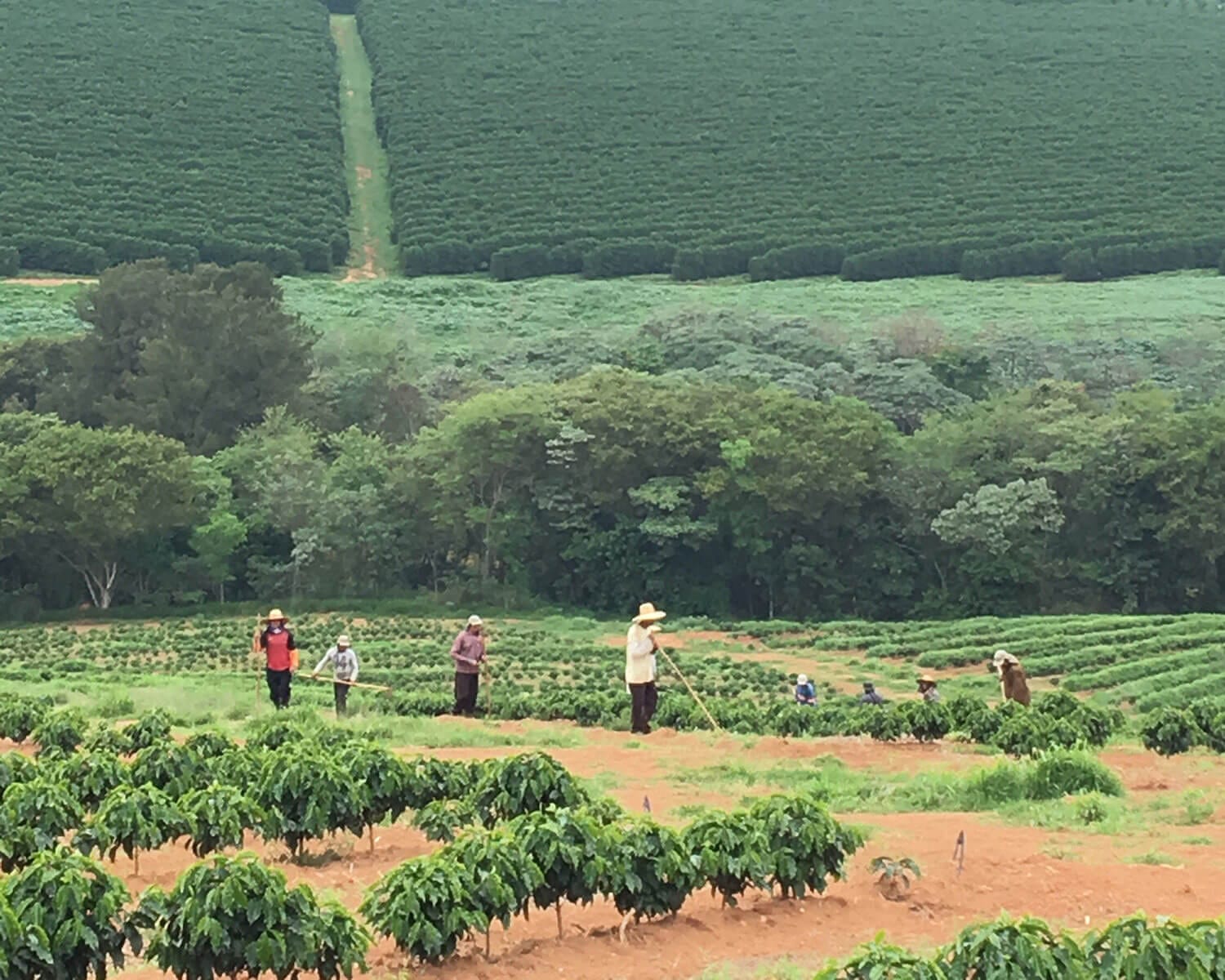
Brazil's agriculture is experiencing a systemic crisis: falling grain prices, record interest rates, rising fertilizer costs, and increasingly devastating climate anomalies, reports Reuters. Brazil — the world's largest producer of soybeans and one of the leading agricultural powers — is demonstrating a scenario relevant to any country where farmers operate on debt in an unpredictable climate. Kazakhstan is no exception.
The Gist
- The volume of seized farm auctions in Brazil in 2025 reached 14,219 properties — an increase of 30% compared to the previous year. Problematic debt in the agricultural sector has grown to nearly one-fifth of the total loan volume.
- Among the main causes are falling global grain prices, high interest rates, rising fertilizer costs driven up by the war in Iran, and increasingly frequent climate disasters.
- The state of Rio Grande do Sul — one of the regions most affected by bankruptcies — experienced catastrophic floods in 2024, triggered by climate change and El Niño.
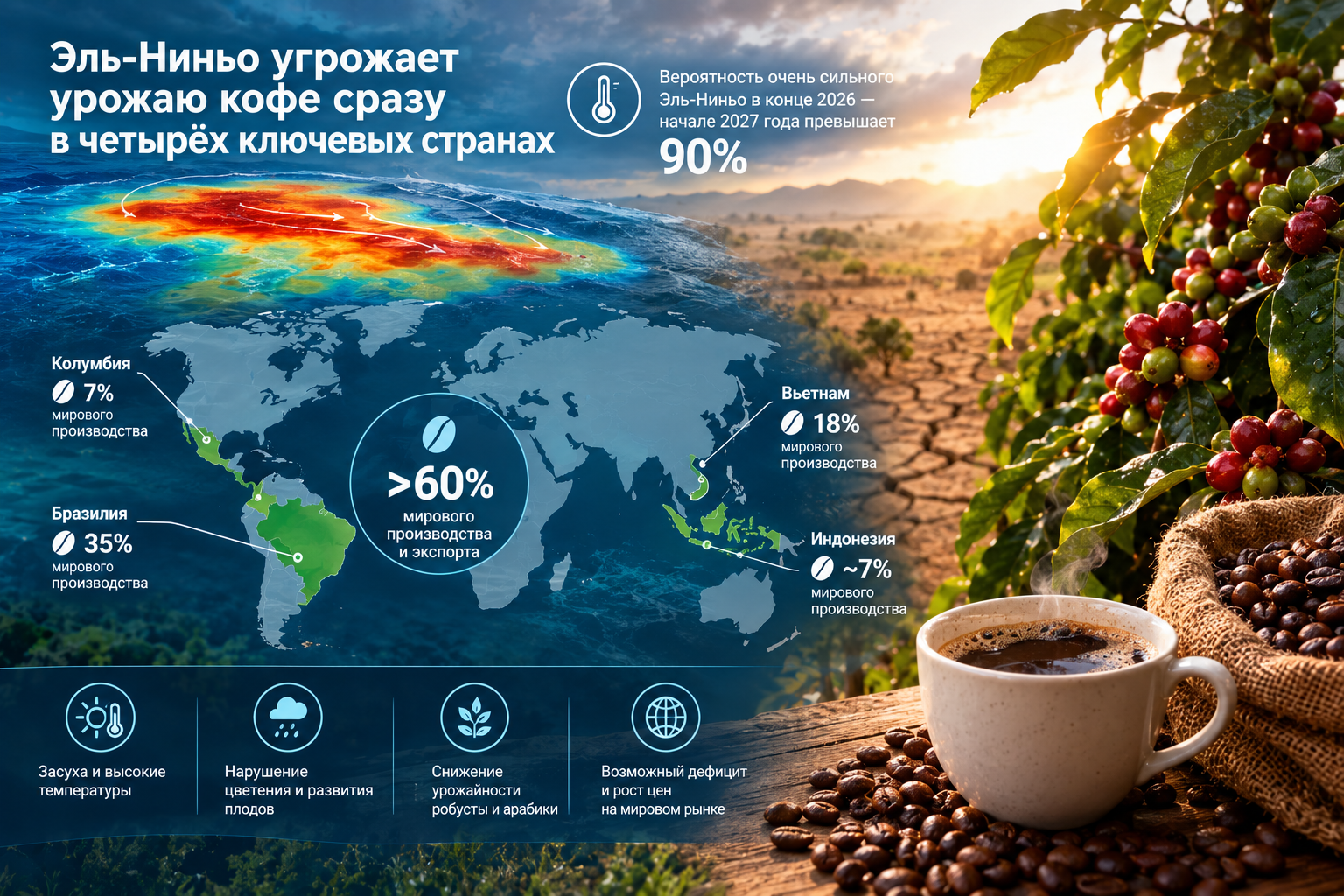
- Brazilian farmers are already preparing for a possible "Super El Niño," which could deliver an additional blow to crop yields and incomes.
- For Kazakhstan, where agricultural credit is subsidized by the state and climate risks are growing, the Brazilian scenario is a warning of how quickly a combination of market and climate shocks can turn a farmer from a borrower into a debtor.
How a Farm Becomes an Auction Lot
Brazilian creditors are increasingly aggressively seizing farmland to cover bad debts. The mechanism is simple and harsh: a farmer takes out a loan for seeds, fertilizers, and equipment against the future harvest. If the harvest fails — due to drought, flood, or a price collapse — he cannot service the debt. The bank seizes the land. The land goes under the hammer.
Guilherme Campos, Secretary of Agricultural Policy at Brazil's Ministry of Agriculture, summed up the situation succinctly: "Debt in the agricultural sector is at an extremely delicate stage."
Three Blows to One Farmer
The Brazilian crisis is the result of the convergence of three factors, each manageable on its own, but together forming a destructive combination.
First — Market. Global grain prices have weakened, while production costs have risen: fertilizers became more expensive amid the war in Iran, and interest rates in Brazil remain high. Margins have shrunk to the point where any deviation from the plan leads to losses.
Second — Climate. The state of Rio Grande do Sul in 2024 experienced catastrophic floods caused by climate change and El Niño. Farmers, just beginning to recover, faced new debts on top of already accumulated ones.
Third — Future Outlook. Brazilian farmers are now preparing for a possible "Super El Niño," which could deliver another blow to crop yields and incomes. The uncertainty of the climatic future itself has become a financial risk: some farmers are already scaling back plans for new plantings.
Structural Vulnerability: When Credit Becomes a Trap
Brazilian agriculture is one of the most indebted in the world. The "crop loan" model works in stable conditions but breaks down when climate and market shocks combine. Data from the auction aggregator Leilao Imovel shows a steady increase in the financial burden on Brazilian farmers over the past several years — this is not a one-time spike, but a trend.
The dynamics of accelerated out-of-court seizure procedures are particularly telling: they nearly doubled in 2025 compared to the previous year. Banks are not just recording losses — they are speeding up collection procedures, which in itself indicates the systemic, rather than local, nature of the crisis.
Kazakhstan Context
Kazakhstan and Brazil are agricultural economies with fundamentally different structures. However, they share a common denominator: a farmer working on credit in conditions of growing climatic instability.
Kazakhstan's agricultural sector is largely dependent on concessional lending through KazAgroFinance and subsidies, which partially mitigate market shocks. However, this tool is not unlimited: with a simultaneous drop in grain prices, rising costs for fuel and fertilizers, and crop failure due to drought, even a subsidized loan turns into a debt burden.
Brazil shows what this scenario leads to without systemic support: mass bankruptcies, concentration of land in the hands of creditors, and the degradation of small and medium-sized farming. For Kazakhstan, where the land issue is traditionally sensitive and the share of small farms is high, this scenario should be viewed not as an exotic case, but as a warning.
Author's Conclusion
Brazilian farms are going under the hammer not because Brazilians work the land poorly. They are going under because the climate has become unpredictable, markets volatile, and the credit model was not designed for such a combination of risks. For Kazakhstan, where the same risks are growing and the farmer support system is built on the logic of a "stable climate," the Brazilian experience is not someone else's story, but a mirror of the near future.
Comments ()