Crisis in the grain market of Kazakhstan
Trade has nearly halted due to a lack of liquid demand for domestic wheat. Cheap imports from neighboring countries keep crushing local prices. Rail logistics bottlenecks limit prompt grain exports.
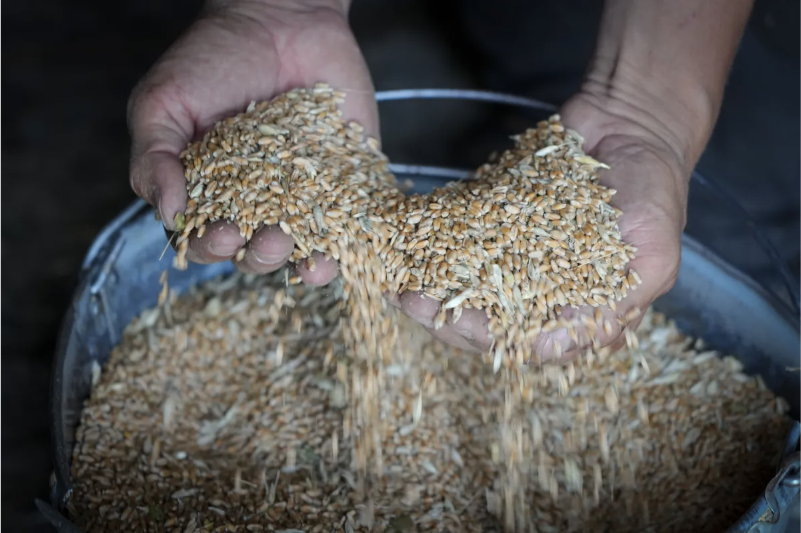
The domestic grain market in the republic has entered a phase of deep stagnation, characterized by an almost complete absence of trading activity. The situation is complicated by a critical gap between farmers' price expectations and buyers' offers, against the backdrop of record product stocks at elevators.
The Gist
- Trading operations have virtually ceased due to a lack of liquid demand for domestic wheat.
- Pressure from cheap imports from neighboring countries continues to collapse domestic quotations.
- Logistical bottlenecks on the railway limit the ability to promptly export grain.
- A shortage of working capital among farmers threatens the quality of upcoming field work.
Causes of the Market Paralysis
The current market halt is linked to a complex of factors, the key one being excess supply amid extremely low demand. Traditional buyers from Central Asian countries and Afghanistan are increasingly favoring cheaper grain lots, making Kazakhstani products less competitive.
Many farmers refuse to sell their harvest at current prices, which often do not cover production costs. At the same time, the Food Contract Corporation and private traders are unable to ensure the necessary procurement volumes, leading to overstocking of warehouses and elevators.
[INSERT MEDIA FROM POST]
Infrastructure Barriers and Exports
The situation is aggravated by systemic problems in the operations of the company "Kazakhstan Temir Zholy". A shortage of locomotive traction and congestion at key junction stations hinder the timely fulfillment of export contracts. Even when a buyer is found, traders face the impossibility of dispatching cargo on time, which entails penalties and a loss of trust in foreign markets.
Industry experts note that without active government intervention by relevant departments, the market could remain in a "frozen" state until the start of the mass sowing campaign.
Author's Conclusion
The halt of the grain market is an alarming signal, indicating the need for an urgent revision of export policy and resolution of logistical bottlenecks. If liquidity does not return in the near future, the agricultural sector will face a wave of loan defaults, undermining the country's food security in the long term.


Comments ()