Europe creates a digital shield to protect agriculture
EU allocates €6M for a unified digital platform to protect European agriculture and forest ecosystems from dangerous cross-border pests and plant pathogens.
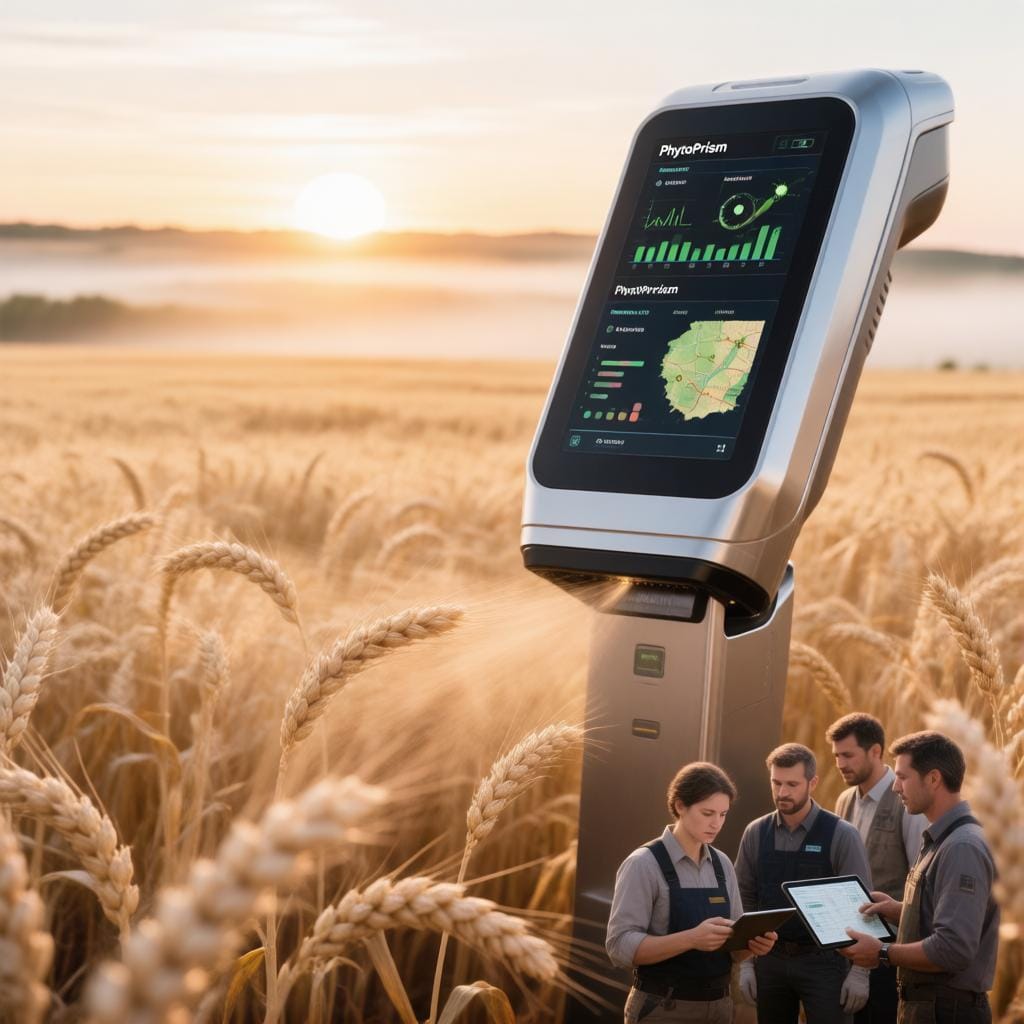
The European Union is launching the PhytoPRISM project, which aims to help farmers more quickly identify plant diseases, pests, and other biological threats. In the context of climate change and growing international trade, such systems are becoming an important tool for protecting food security. For Kazakhstan, this initiative is of particular interest, as the country also faces risks from the spread of quarantine organisms and transboundary plant diseases.
In Brief
• Europe has launched the PhytoPRISM project for digital monitoring of phytosanitary threats.
• The system will consolidate data on pests, plant diseases, and invasive species.
• The project aims to prevent crop losses and reduce the risks of food crises.
• For Kazakhstan, the European experience highlights the growing role of digital technologies in crop protection.
What Project is Europe Launching
The PhytoPRISM project will officially start on September 1, 2026 and will run until 2030. The European Union is allocating 6 million euros for its creation. The initiative brings together a consortium of 15 research institutes from eight countries, with the University of Warwick (UK) acting as the coordinator. A team of researchers from Cambridge is responsible for developing the key computational infrastructure.
Essentially, this involves creating a pan-European early warning system for phytosanitary threats. The platform will analyze data on pests, plant diseases, and invasive species, helping to forecast their spread before the damage becomes noticeable to farmers.
Why is Europe Investing Millions in Pest Monitoring
The impetus for launching the project was alarming statistics. According to estimates from international organizations, pests and plant diseases lead to the loss of up to 40% of the global harvest annually. The situation is exacerbated by climate change and the growth of international trade, which accelerate the spread of invasive species between countries and continents.
Europe fears that without modern forecasting systems, new pests will spread faster than national services can respond to the threats. This is why the focus is not on dealing with the consequences, but on preventing risks through digital technologies and big data analysis.
Digital Technologies Come to the Defense of Crops
The project developers plan to use modern tools for data analysis, modeling, and forecasting. This will allow specialists to track the spread pathways of pests and diseases, assess potential damage, and predict the most vulnerable regions.
Special attention is paid to invasive species, which can rapidly spread to new territories and cause serious damage to agriculture. According to estimates from international organizations, the annual losses to the global economy from invasive organisms amount to billions of dollars.
Kazakhstan Also Needs Early Warning Systems
For Kazakhstan, the topic of digital phytosanitary monitoring is becoming increasingly relevant. The country has extensive land borders through which significant volumes of agricultural products, seeds, and planting material pass. This increases the risk of new pests and plant diseases entering the country.
At the same time, the domestic plant protection system is still largely focused on reacting after a problem is identified. Unlike the European approach, which is based on big data and forecasting, digital monitoring tools in Kazakhstan remain limited in their scale of application.
It is indicative that many developed countries today are investing not so much in eliminating the consequences of phytosanitary crises, but in creating prevention systems. This approach is significantly cheaper than fighting already established diseases and crop losses.
Science Becomes a Key Element of Food Security
The PhytoPRISM project demonstrates another important trend — the strengthening role of scientific research and digital technologies in agriculture. In Europe, plant protection is increasingly viewed as a matter of national and food security, requiring constant monitoring, data sharing, and interstate cooperation.
Against this backdrop, Kazakhstan needs to accelerate the development of its own scientific and analytical tools in the field of phytosanitation. Without such solutions, risks to crop production will grow along with climate change and increasing volumes of international trade.
Author's Conclusion
The launch of PhytoPRISM shows that modern agricultural protection depends less on the quantity of pesticides and more on the quality of data and the speed of decision-making. Europe is investing in digital early warning systems to prevent agricultural crises before they occur. For Kazakhstan, this is a signal of the need to develop its own monitoring and forecasting technologies, as the future competitiveness of crop production will be determined not only by yield but also by the ability to identify new threats in a timely manner.



Comments ()