Europe is not going to Central Asia for resources. What EU investors actually want
The European Union is increasingly expanding its economic presence in Central Asia.
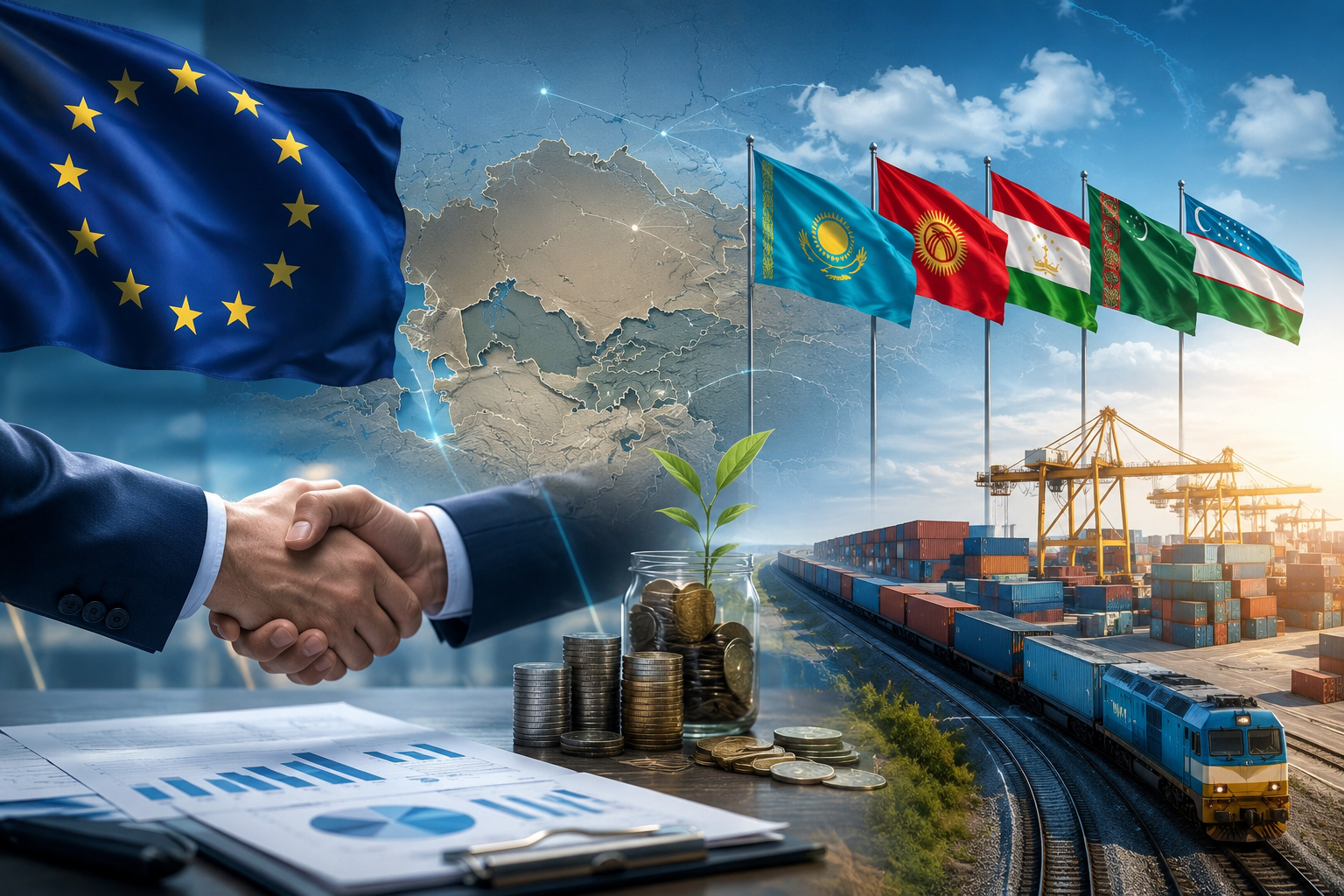
Contrary to popular belief, European investors today are less interested in the region's natural resources than in the quality of its institutions, the transparency of its rules, and the predictability of its business environment.
This is the conclusion reached by participants in a discussion organized by Euronews as part of the Tashkent International Investment Forum (TIIF-2026), Euronews reports. Representatives of European financial institutions and international organizations essentially outlined a new investment formula for Central Asia: rules first, then money.
In a Nutshell
· The EU is expanding its investment presence in Central Asia.
· The European Investment Bank is opening a regional office in Tashkent.
· For investors, the quality of regulation and project readiness matter more than resources.
· Finance, transport connectivity, and institutional reforms are becoming key areas of cooperation.
· For Kazakhstan, this means increased competition for European capital within the region.
Money is Available, Projects are Lacking
One of the main points of the discussion was that Central Asia's problem today is not a shortage of investment resources.
According to representatives of the European Investment Bank (EIB), international financial institutions are ready to finance projects in the region, but many initiatives are insufficiently developed from a technical or financial standpoint. Investors need projects with clear economics, transparent governance structures, and predictable returns.
In effect, European institutions are signaling: capital will go where the state can ensure clear rules of the game and high-quality project preparation.
Central Asia is Becoming a Unified Investment Space
European experts consider the growth of regional integration to be an important change in recent years.
While Central Asian countries previously developed largely in isolation, investors today are increasingly viewing the region as a single economic market. Particular attention is being paid to transport corridors, cross-border trade, and simplifying the movement of goods between states.
The development of the Middle Corridor, which is intended to connect Europe and Asia via Kazakhstan, the Caspian Sea, the Caucasus, and Turkey, is cited as the most illustrative example.
However, experts emphasize that the effectiveness of any transport route is determined by its weakest link. Therefore, the construction of roads and railways must be accompanied by the modernization of customs procedures, the digitalization of documents, and coordination between the countries of the region.
Why Tashkent is Becoming a New Point of Attraction
It is telling that the European Investment Bank is opening its Central Asia office precisely in Tashkent. This step reflects the growing interest of European financial institutions in the region and simultaneously strengthens Uzbekistan's position as one of the key hubs for attracting investment.
In recent years, Uzbekistan has been actively promoting reforms in regulation, tax legislation, and the investment climate. At TIIF-2026, the country's authorities presented projects worth around 75 billion euros and announced the preparation of new mechanisms for business financing and attracting foreign capital.
What This Means for Kazakhstan
For Kazakhstan, this news is of strategic importance.
For many years, the republic remained the main recipient of European investment in Central Asia. The European Union is still the country's largest trade and investment partner, and thousands of European companies operate in the Kazakh market. However, the situation is gradually changing.
While investors previously came primarily for oil, gas, and metals, competition is now increasingly about the quality of institutions, the speed of project approval, and the effectiveness of public administration.
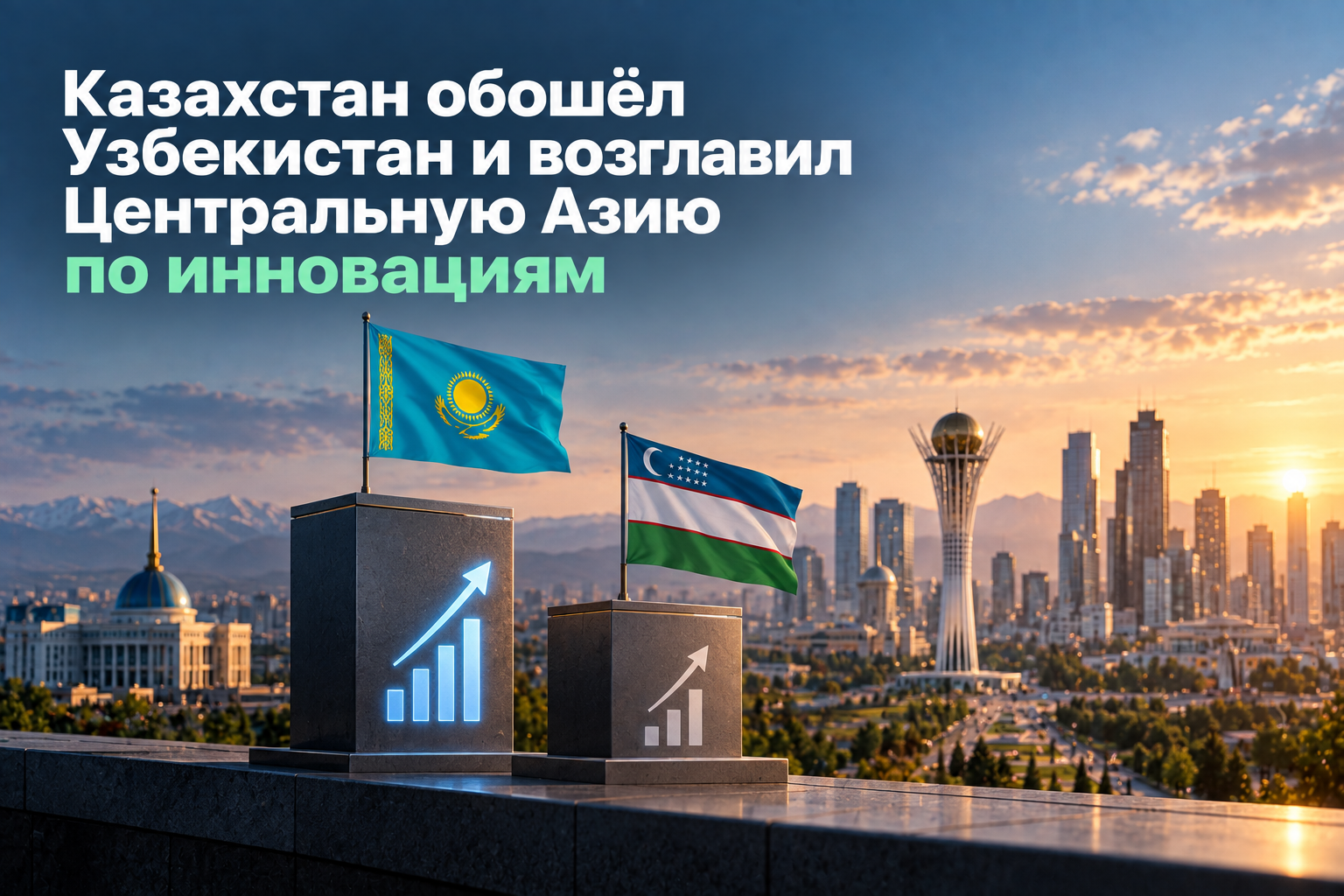
Against this backdrop, Kazakhstan now has to compete not only with global markets but also with neighboring countries in the region that are actively implementing reforms and offering new investment opportunities.
A Lesson for All of Central Asia
For many years, the countries of the region built their capital attraction strategies around natural resources. However, the global investment agenda is changing.
Today, investors are increasingly assessing not the volume of mineral reserves, but the stability of legislation, the quality of infrastructure, the transparency of regulation, and the state's ability to fulfill its commitments.
This is why the main topic of discussion in Tashkent was not oil, gas, or rare earth metals, but institutions, rules, and trust.
Author's Conclusion
The story of the EU's new investment course shows that Central Asia is entering a new phase of economic competition. While the region's main advantage was previously considered to be its natural resources, effective public administration, regulatory quality, and the ability to implement complex infrastructure projects are now becoming increasingly valuable. For Kazakhstan, this means the need to compete not only on the volume of raw materials but also on the quality of institutions. In this new investment reality, it will not be the countries richest in resources that win, but those that can offer investors predictability and trust.
Comments ()