FAO and Deputy Prime Minister of Kazakhstan Disagree on El Niño
The UN's FAO warns of a growing El Niño threat to global agriculture, naming the highest-risk regions.
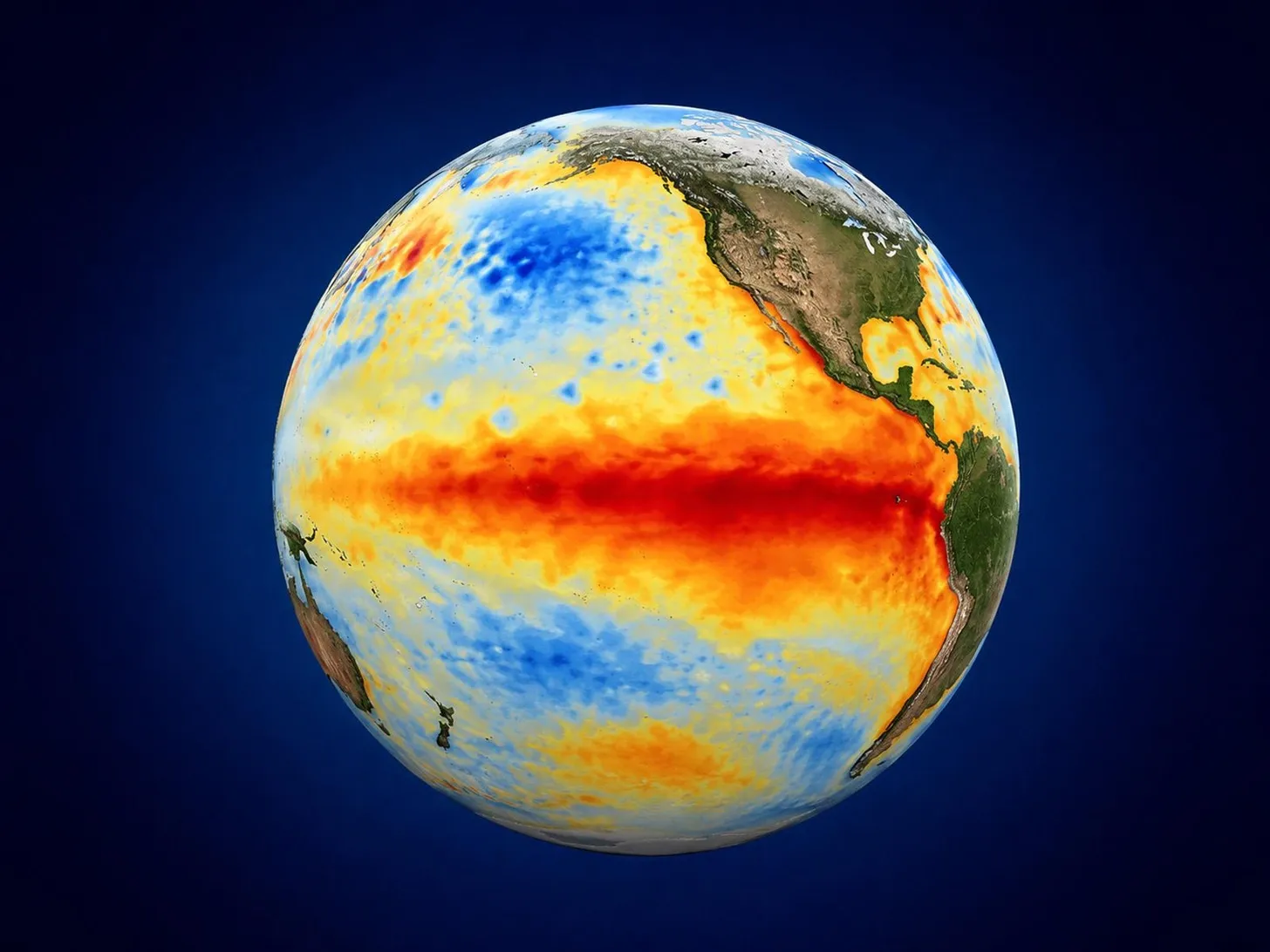
Kazakhstan, according to FAO data, is in the zone of highest agricultural risk from El Niño — droughts and unstable precipitation are already changing the face of the country's grain belt. However, Kazakhstan's Deputy Prime Minister Kanat Bozumbayev, judging by his public statements, prefers to ignore both international warnings and domestic experts, calling the climate agenda the concern of a single "blogger who has never once correctly predicted the floods." At the same time, the Tasqyn system, which he holds up as an example, according to independent media assessments, has "not impressed" Kazakh citizens with its effectiveness.
The Gist
- FAO has identified zones of highest agricultural risk from El Niño: South Asia, East Africa, Central Asia, and parts of South America. Kazakhstan is in the risk zone for droughts and unstable precipitation during the critical growing season.
- El Niño is changing familiar patterns of precipitation and temperatures: some regions experience extreme downpours and floods, while others face abnormal heat and drought. For Kazakhstan's grain belt, the second scenario is critical.
- Deputy Prime Minister of the Republic of Kazakhstan Kanat Bozumbayev stated at a press conference that he had not heard of scientists warning about El Niño, reducing the entire problem to a "blogger from a free American resource."
- The Tasqyn system, which Bozumbayev called reliable, was himself acknowledged by the Deputy Prime Minister as incomplete due to a lack of hydrological stations. The FBRK recorded that during the 2026 flood season, the system effectively did not work.
- 2026, according to climatologists' forecasts, could become the hottest year on record.
What FAO Says
El Niño is not a local anomaly but a global climate phenomenon associated with the warming of surface waters in the equatorial Pacific Ocean. Its consequences are felt worldwide: some regions are overwhelmed by floods, while others suffer from severe droughts.
FAO points out that for the agricultural sector, the most dangerous are not the extreme events themselves, but their unpredictability and their superimposition on agroecosystems already weakened by climate change. When drought arrives at the height of the growing season, crop losses can reach 30–50% even with a slight precipitation deficit. Central Asia, including Kazakhstan, is among the regions where the agricultural risk from El Niño is assessed as high: rain-fed agriculture, dependent on precipitation, has no safety margin when conditions deviate from the norm.
What the Deputy Prime Minister Says
Against this backdrop, the reaction of Deputy Prime Minister Kanat Bozumbayev looks disconcerting. Responding to a question from the Ulysmedia.kz editorial team about the country's preparedness for Super El Niño, he stated:
"I haven't heard of such scientists at all. I've heard of one blogger who constantly writes about El Niño and has never once correctly predicted the floods. He just takes some open, free monthly forecast data from a free American resource. Publishes something there and misleads us."
This "blogger" is apparently Kazakh analyst Kirill Pavlov — head of the "Pavlov Analytics" center, who systematically covers the climate and flood agenda. Notably, it was his flood forecasting map for the spring of 2026 that was subjected to a DDoS attack at the height of the flood season — as recorded by FBRK. An attack on a tool that "has never once correctly predicted" looks, at the very least, strange.
Bozumbayev reduced the warnings about El Niño to a single media figure, ignoring the fact that climatologists from around the world write about this phenomenon, and FAO dedicated a special report to it for the governments of member states.
Tasqyn: A Shield That Doesn't Work Where It's Needed
Bozumbayev chose the Tasqyn system — a development of JSC "NC "Kazakhstan Gharysh Sapary" for flood forecasting — as his main counterargument. According to him, the system "predicted 80% of floods" and makes Kazakhstan sufficiently prepared.
The problem is that this assessment is refuted by the Deputy Prime Minister himself: he admitted that Tasqyn "does not cover the entire country because it is expensive" — due to a lack of hydrological stations. In other words, the system predicts floods where observation infrastructure exists, and remains silent where it does not. And it is precisely in unequipped areas that unexpected flooding most often occurs.
An independent assessment of the system is provided by FBRK: the editorial board directly stated that Tasqyn "has not impressed Kazakh citizens with its effectiveness," and "even the last flood season went unnoticed by the system" — against the backdrop of massive reports of flooding in 2026. It is telling that this characterization appeared not in an article about floods, but in passing — in an investigation about another "raw" state digital platform. The hint at a systemic problem in state digitalization is obvious.
Let us add that "Kazhydromet" had been warning akimats about impending floods since December — sending storm warnings that local authorities effectively ignored. The warning system worked — the response did not. This is a separate and equally important question for the management vertical that Bozumbayev represents.
Complacency as a State Position
The Deputy Prime Minister's argumentation is built on the thesis that long-term forecasts are inherently unreliable: "More or less adequate people don't even believe in an annual forecast. A quarterly forecast, at best, has a probability of 20–25%."
This thesis contains a fundamental error. Climate planning is fundamentally different from short-term weather forecasting. FAO is not predicting whether it will rain in a specific area of Kazakhstan in August 2026. It points to structural shifts in regional climate systems — precisely those that determine which crop varieties to sow, where to build reservoirs, and how to plan the agricultural budget over a five-year horizon. Denying the value of such planning means consciously rejecting the tools that the rest of the world uses to protect the agricultural sector.
Meanwhile, the facts speak for themselves. The Shardara Reservoir started 2026 with a fill level of 79% of the norm. Snowpack in the upper reaches of the Syr Darya has been below normal for the third consecutive year. Kazakhstan is officially recognized as a country with a high level of water stress. These are not the forecasts of one blogger — this is measurable reality.
Author's Conclusion
FAO warns about the risks of El Niño for agriculture in the regions where Kazakhstan is located. The Deputy Prime Minister replies: "I haven't heard of such scientists." The Tasqyn system, which he holds up as a shield, according to independent investigative journalists, failed even during the past flood season. The gap between the international scientific agenda and the position of the Kazakh government in this case is not technical, but managerial. The climate will not wait for officials to believe in its forecasts.

Comments ()