FDA incentivizes domestic production of veterinary drugs — prioritizing those independent of imports
FDA's veterinary center launches a pilot program giving priority review to veterinary drug applications if both the finished dosage form and active ingredient are made in the U.S.
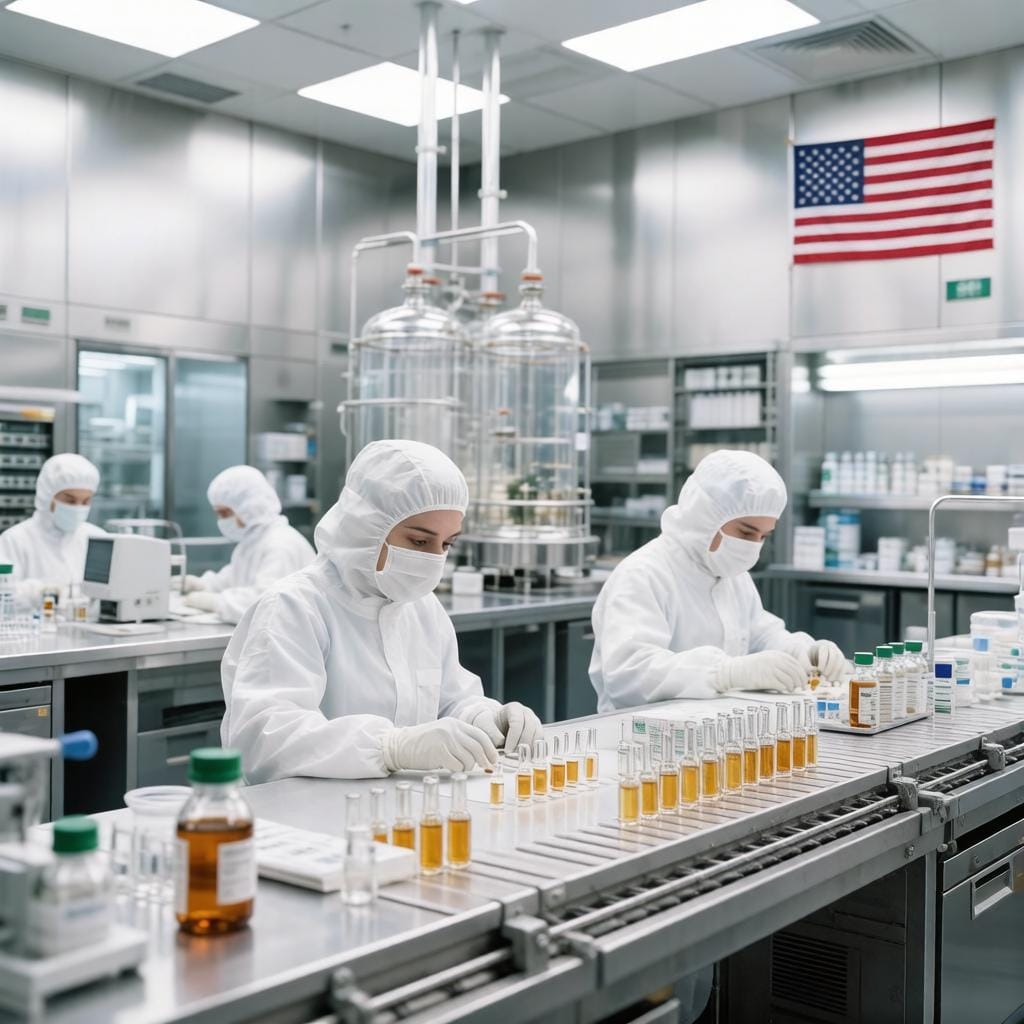
The goal is to reduce the American veterinary industry's dependence on imports and prevent shortages of animal medications. For Kazakhstan, which is increasing its livestock population and declaring development of veterinary pharmaceuticals, this regulatory signal is a benchmark for its own industrial policy.
The gist in brief
- The Center for Veterinary Medicine (CVM) of the FDA has announced the launch of a pilot program to incentivize domestic production of veterinary drugs and their active ingredients.
- The main incentive is priority review of CMC (chemistry, manufacturing, and controls) sections for applications in which both the finished dosage form and the API are manufactured at U.S. facilities.
- The second incentive is the ability to name a second domestic API supplier directly in the initial application, without the need to file an additional post-approval change in the future.
- The program is modeled on a similar pilot at CDER (for human drugs) — this reflects a consistent policy of localizing production across the entire U.S. pharmaceutical supply chain.
- Monitoring and participant engagement are handled by the Division of Manufacturing Technologies (DMT) within the OGAD and ONAPE offices.
Why veterinary pharma is just as vulnerable as "human" pharma
The COVID-19 pandemic clearly demonstrated how vulnerable the pharmaceutical industry is when it depends on imported active ingredients: disruptions in China and India immediately affected the availability of drugs worldwide. Veterinary pharma operates on the same logic — a significant share of active ingredients for livestock and veterinary medicine products is manufactured outside the United States.
The new CVM FDA pilot program fits into the broader policy of the American regulator: after years of work on localizing production for "human" drugs, the FDA is consistently applying the same logic to the veterinary segment.
How the priority works
The mechanism is simple and clear for the industry: instead of waiting in the application review queue, there is an accelerated track. If a manufacturer demonstrates that the entire production cycle — from API synthesis to finished dosage form release — is located within the United States, the regulator reviews its CMC documentation on a priority basis.
The second tool addresses the chronic problem of dependence on a single API supplier: including a second domestic source directly in the initial application avoids the costly and lengthy post-approval change procedure. This reduces the regulatory burden while simultaneously increasing supply chain resilience.
Kazakhstani context
Kazakhstan is actively developing livestock farming and steadily increasing its cattle population. The growth in live animal exports — by a factor of 1.7 in the first half of 2026 — requires parallel development of veterinary pharmaceuticals: vaccines, antibiotics, antiparasitic drugs. Domestic production of veterinary drugs currently covers only part of the demand — a significant share is still imported.
The American experience demonstrates a concrete regulatory tool: priority in registration for those who localize production. A similar mechanism — accelerated application review or preferential lending for veterinary drug manufacturers with a high share of Kazakhstani components — could become an element of a national policy for developing veterinary pharmaceuticals.
Author's conclusion
The FDA is making a regulatory choice in favor of those who do not depend on the import supply chain. This is not a ban on foreign components — it is an economic incentive for localization. Kazakhstan, with its ambitions of becoming Central Asia's agricultural hub, should think along the same lines: domestic production of veterinary drugs is not a cost, but an element of biological and food security.

Comments ()