First carbon-neutral agriculture demonstration park in Kazakhstan to be established in Atyrau
Atyrau Oil and Gas University and China's Shanghai AIKO Solar Energy will build a smart carbon-neutral agriculture demo park in Atyrau.
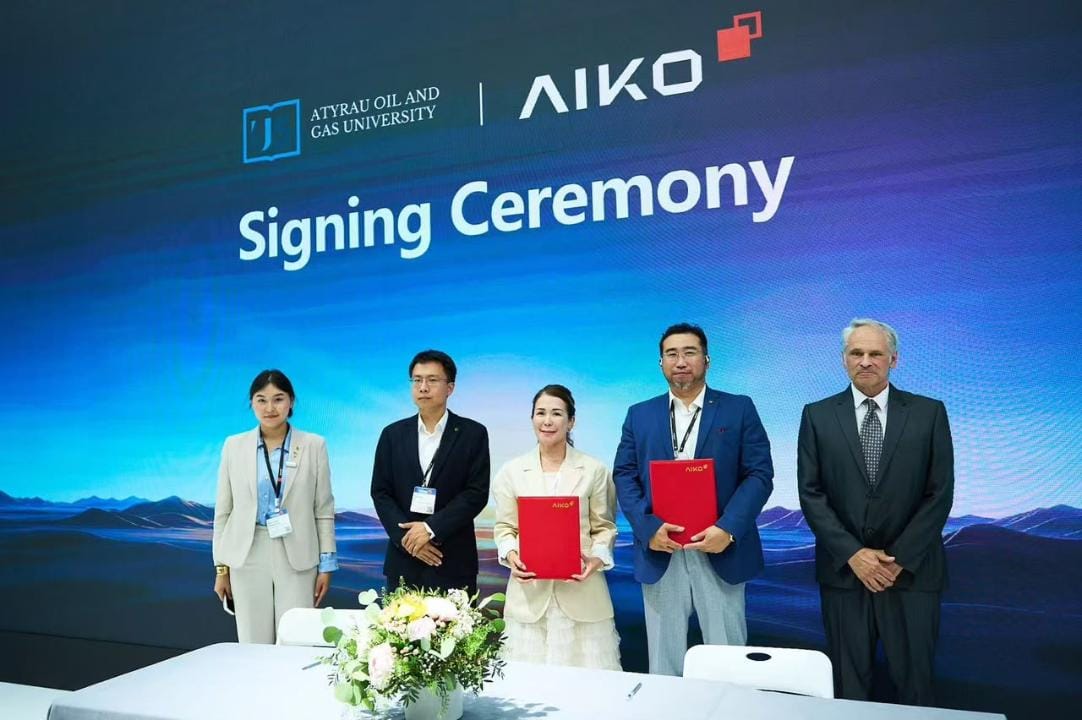
Kazakhstan is taking another step towards implementing Agriculture 4.0 technologies. The project will combine solar energy, artificial intelligence, digital management systems, and modern crop production technologies in an arid climate.
A corresponding memorandum was signed at the world's largest solar energy exhibition, Intersolar Europe 2026, held in Munich, reports the Ministry of Science and Higher Education of the Republic of Kazakhstan.
The Gist
· A demonstration park for smart, carbon-neutral agriculture will be created in Atyrau.
· The project will be implemented by Atyrau University of Oil and Gas and the Chinese company AIKO, a global leader in solar technology manufacturing.
· The site will utilize solar energy, artificial intelligence, digital management systems, water-saving technologies, and automated agricultural solutions.
· The complex will simultaneously serve as a scientific, educational, and testing center.
· The project could become the first facility of this level in Kazakhstan, integrating several advanced "green" agri-food technologies at once.
A Proving Ground for the Agriculture of the Future
According to the signed agreement, the AIKO–AOGU Zero-Carbon Smart Agriculture Demonstration Park will be established on the territory of the new campus of Utebayev University.
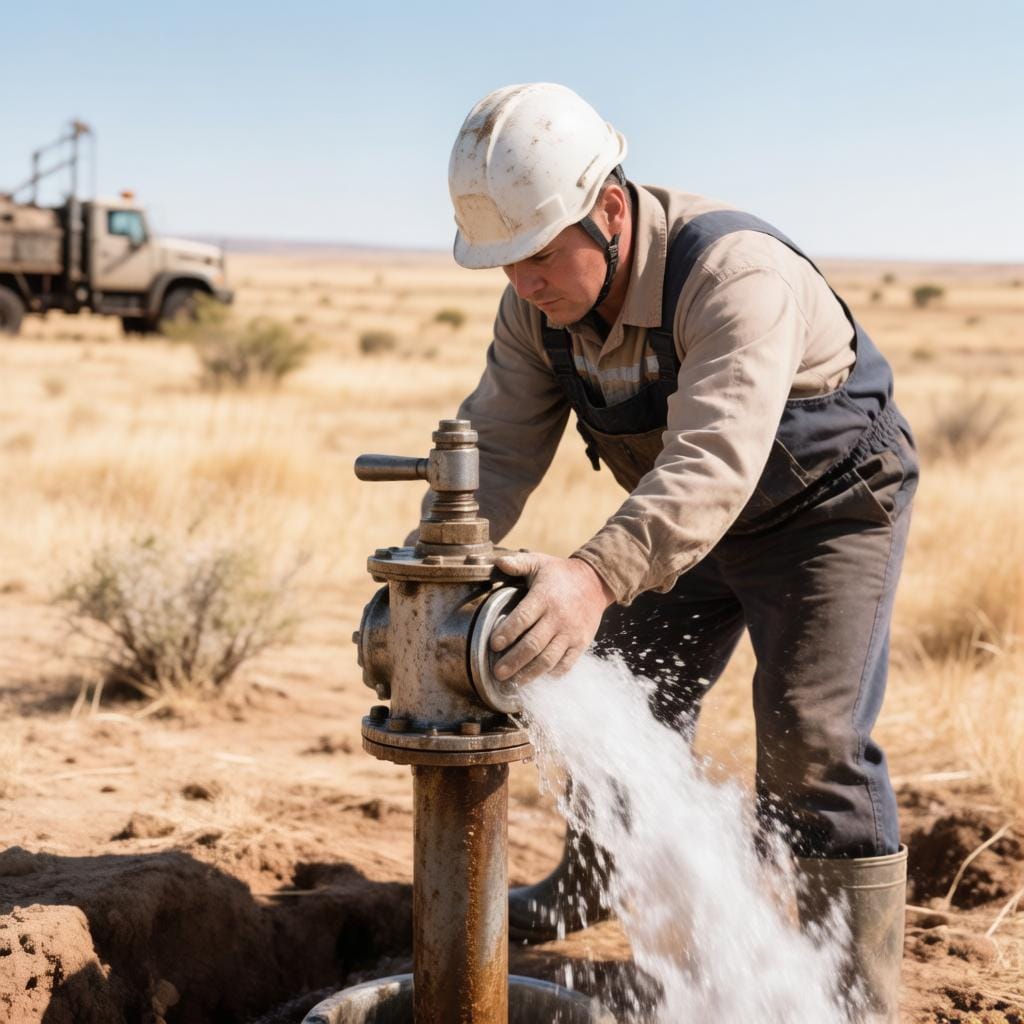
Its goal is not just to grow agricultural products, but to demonstrate how modern agricultural technologies can operate under conditions of water scarcity and a hot climate.
The first phase plans to create:
· solar greenhouses;
· demonstration experimental plots;
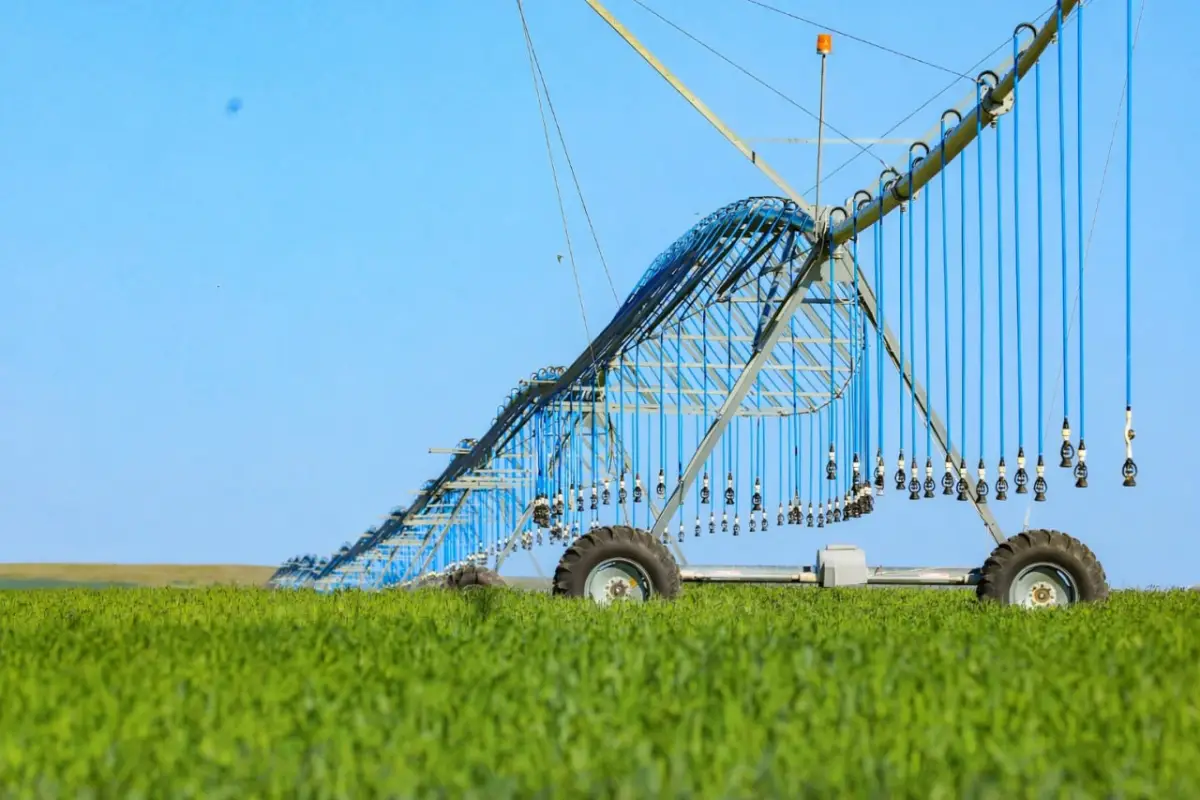
· intelligent irrigation and fertigation systems;
· water reuse infrastructure;
· solar power plants;
· energy storage systems;
· digital farm management platforms.
Additionally, the development of aquaculture is being considered as an additional direction for sustainable production.
Artificial Intelligence Will Become the Agronomist
One of the key features of the project will be the extensive use of artificial intelligence.
Digital platforms are expected to analyze plant conditions, manage irrigation schedules, monitor water and energy consumption, and assist in making decisions on crop cultivation.
Such technologies are becoming a global trend today. The use of AI helps reduce water, fertilizer, and electricity consumption while simultaneously increasing yields and production sustainability.
Why Atyrau Was Chosen
At first glance, the Atyrau region does not seem the most obvious choice for such projects.
However, it is precisely its natural conditions that make the site especially valuable for testing.
High temperatures, limited water resources, and an arid climate allow for testing technologies designed to operate in the most challenging conditions. If they prove effective here, scaling them to other regions of Kazakhstan and Central Asia will be significantly easier.
Not Just Education, But Also Science
The project is focused not only on technology implementation but also on training specialists.
Based at the demonstration park, a joint AIKO–AOGU scientific and educational center is planned, where students and researchers will be able to work with digital twins, green hydrogen technologies, energy storage systems, and other modern solutions.
In effect, the university gets the opportunity to transform into a testing ground for technologies that are just beginning to spread in global agriculture.
Why This Matters for Kazakhstan
In recent years, Kazakhstan has been increasingly vocal about the digitalization of its agro-industrial complex, but most projects are still limited to the targeted implementation of individual solutions — precision farming systems, automated irrigation, or crop monitoring.
Atyrau proposes a different approach — combining several areas on one site: renewable energy, artificial intelligence, water conservation, digital management, and modern agricultural technologies.
If the project proves successful, it could become a model for creating similar demonstration complexes in other regions of the country, especially where agriculture is already facing water shortages and the consequences of climate change.
Author's Conclusion
The memorandum signed in Munich is interesting not so much for the fact of cooperation with a Chinese company, but for the shift in approach to developing the agricultural sector. Kazakhstan is gradually moving from implementing individual digital solutions to creating comprehensive technological ecosystems. If the demonstration park in Atyrau truly integrates solar energy, artificial intelligence, water reuse systems, and automated farm management, it could become one of the first examples of full-fledged "smart" agriculture in the country. Now, the main question is no longer about the technologies themselves, but whether it will be possible to scale these solutions to real farm operations after the demonstration phase.

Comments ()