IAEA experts review Kazakhstan's report on readiness for its first nuclear power plant in Astana
From Oct 12–15, an IAEA mission is in Astana: experts and Kazakh organizations are reviewing the self-assessment report on the country's nuclear infrastructure.
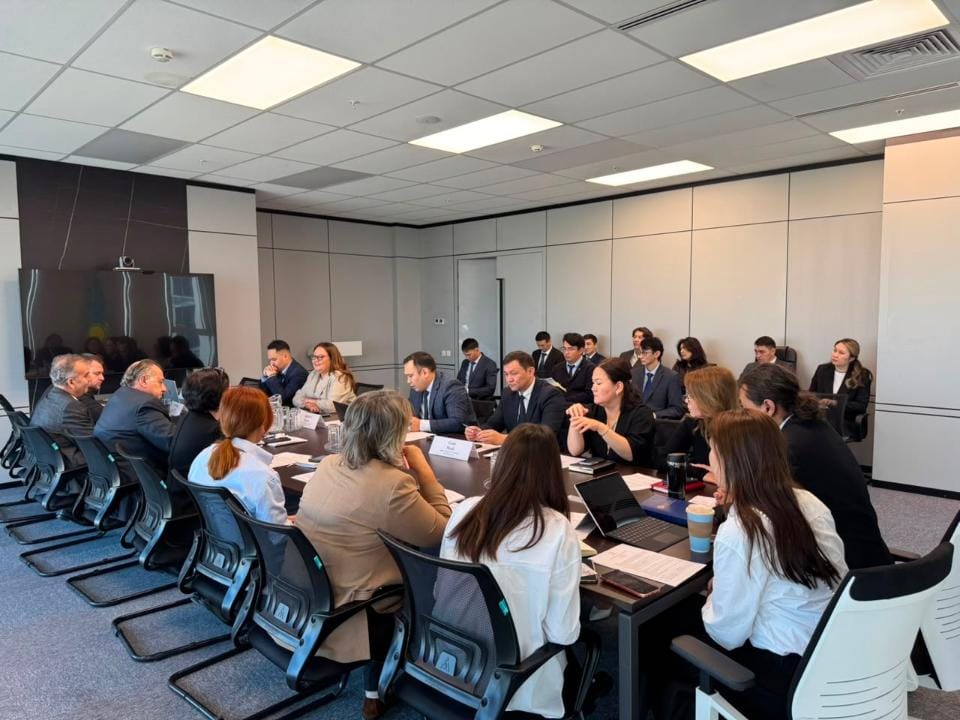
This is preparation for the main INIR comprehensive review mission, which will show what has already been done for the construction of the first nuclear power plant and which issues require further work. The date of the main mission has not yet been announced.
The essence in brief
- The mission involves experts from the IAEA, the Atomic Energy Agency, Kazakhstan Nuclear Power Plants LLP, and Kazatomprom.
- They are discussing the experts' proposals for the self-assessment report and the steps for preparing for the main INIR mission under phase two.
- The program covers 19 infrastructure issues: from safety and laws to financing, personnel, power grids, and the nuclear fuel cycle.
- The contract for the construction of the first Balhash NPP was signed on September 3, its cost is estimated at $16.4 billion, and the launch date has not been officially announced.
What is being discussed in Astana
According to the Ministry of Energy, the purpose of the mission is to discuss the experts' proposals for the self-assessment report, clarify the information presented, and determine further steps for preparing for the main INIR mission. The report allows for a systematic review of the state of the national nuclear infrastructure and identifies areas that need additional work for the NPP construction project. Expert support, as noted by the ministry, should improve the quality of the report and clarify the priorities of national organizations.
What INIR is and which issues it includes
INIR (Integrated Nuclear Infrastructure Review) is a comprehensive review of nuclear infrastructure that the IAEA conducts at the request of a state. Infrastructure is understood to include not only the site and technical facilities, but also laws, the oversight system, specialist training, financing, and safety measures. The review covers 19 areas. Among them are nuclear, radiation, and nuclear physical safety, the legislative and regulatory framework, financing, human resource development, interaction with stakeholders, power grid readiness, and the nuclear fuel cycle.
Kazakhstan is preparing for the second phase of the IAEA's phased approach. This is the period after the decision to develop nuclear energy, when the country creates the conditions for the first plant project and prepares for construction. Agency experts help assess this preparation and determine what needs to be improved.
Where the project itself stands now
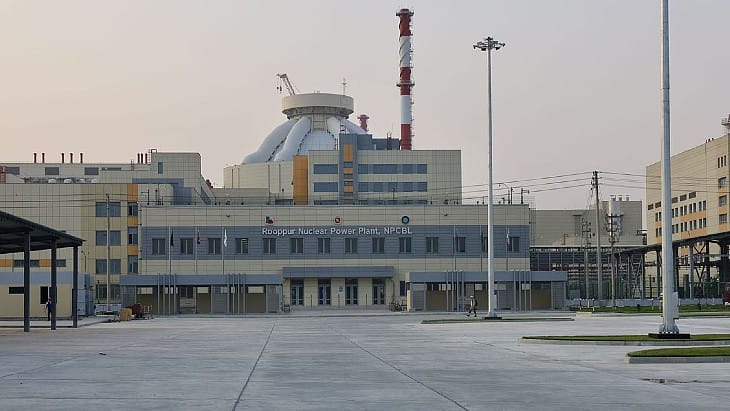
The contract for the design, supply, and construction of the Balhash NPP was signed on September 3, 2026, in Vladivostok by Kazakhstan Nuclear Power Plants and Atomstroyexport, a Rosatom structure. The station will be built near the village of Ulken in the Almaty region: two VVER-1200 units with a total capacity of 2.4 GW. The cost, according to the head of the Atomic Energy Agency, Almasadam Satkaliyev, will be $16.4 billion, of which 85% will be covered by a Russian export loan and the rest by Kazakhstan's contribution. The signing, according to the Agency, moves the project to the "practical stage", but the parties must then go through procedures, including approval by the government.
The contract does not specify commissioning dates. According to The Moscow Times, construction will begin in 2027, and the first unit will be operational in 2034. According to Rosatom, engineering surveys at the site will be completed in 2027, after which documents for a construction license will begin to be prepared. The terms of the Russian loan, that is, the rate, term, and repayment procedure, have not been publicly disclosed.
Author's conclusion
The mission in Astana does not assess the country's readiness, but prepares for such an assessment: so far it concerns the self-assessment report and the steps before the main INIR review. The date of this review, the launch date of the station, and the terms of the loan remain open.
Comments ()