Inspection prompted by MP's request reveals wastewater discharge into soil at Mangystau oil field
Mangystau Region's Ecology Department conducted an unscheduled inspection at the Dolinnoye field.
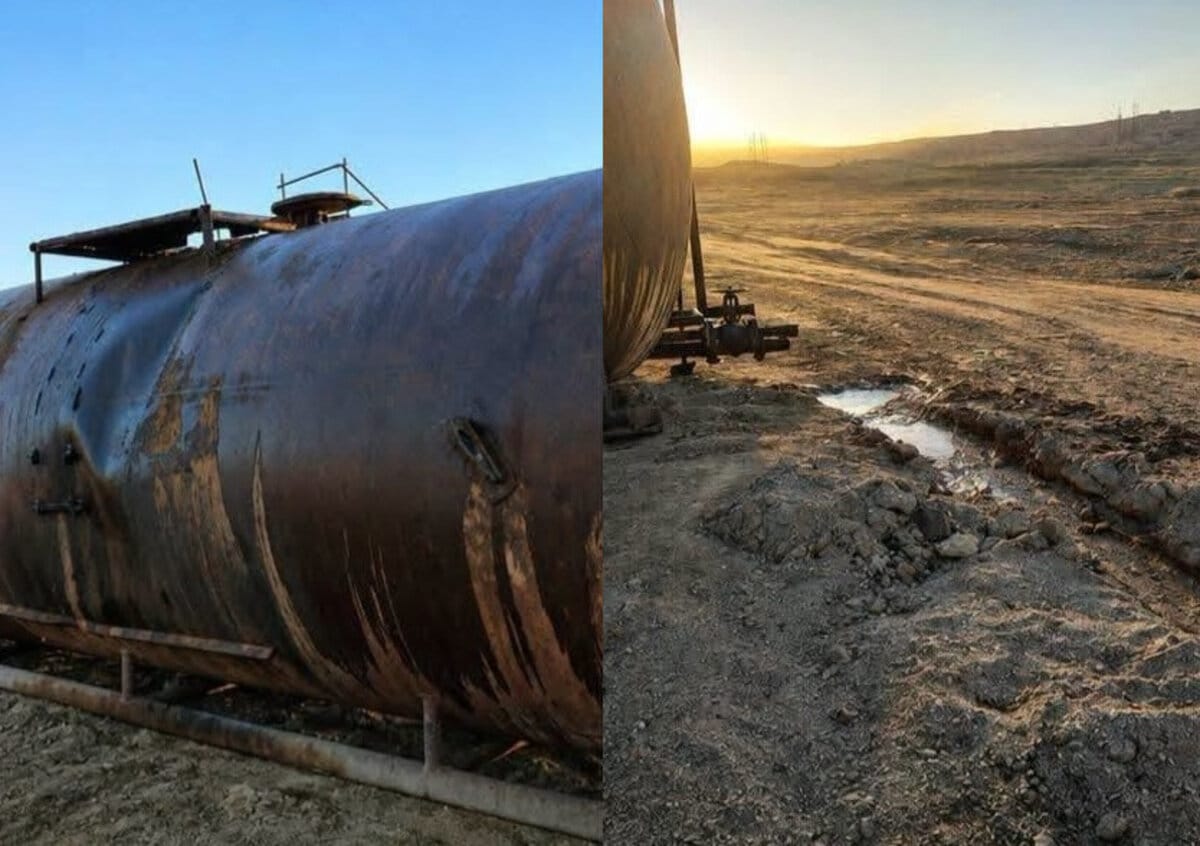
The reason was a request from a district maslikhat deputy. Violations were found, the company was fined, LADA.kz reports.
The essence in brief
- The Department of Ecology of the Mangistau Region conducted an unscheduled inspection of Emir Oil LLP based on a request from a deputy of the Mangistau District Maslikhat and identified violations of the Environmental Code of the Republic of Kazakhstan.
- During the cleaning of flowlines from paraffin deposits at the Dolinnoye-7 and Dolinnoye-112 wells, there was no special tank for collecting liquid, and untreated wastewater was discharged directly onto the soil.
- The fine amounted to 1200 MRP (5.2 million tenge); the company paid it within a week and received a 50% discount, so the state received 2,595,000 tenge.
- Articles 106, 213, and 216 of the Environmental Code were violated: they prohibit the discharge of untreated wastewater onto the land surface and oblige operators to comply with the terms of the environmental permit.
What was found at the wells
The work at Dolinnoye-7 and Dolinnoye-112 consisted of cleaning flowlines — the pipelines through which production flows from the well to collection facilities — from paraffin deposits. Inspectors found that, contrary to the submitted documents, there was no special tank for collecting liquid on site. Untreated wastewater was discharged directly onto the soil. It is precisely such actions that the Environmental Code directly prohibits.
The fine and the discount
The sanction amounted to 1200 MRP, or 5.2 million tenge. The company paid it within a week and received a 50% discount — as a result, the state received 2,595,000 tenge. The department's statement does not specify whether the company disputed the inspection's findings; it is only known that the fine was paid.
This amount cannot be directly compared with the largest disputes in the industry: different companies, different violations, and different legal grounds. But the contrast shows how differently such stories unfold. The Kashagan operator is challenging a fine of 2.3 trillion tenge in international arbitration, while here the dispute ended with payment within seven days.
Not the first inspection of oil companies this year
The inspection at Dolinnoye fits into the broader picture of activity by environmental regulators. Claims this year have also been brought against the country's largest projects: the collection of the fine from the Kashagan operator was suspended but not canceled, and Tengizchevroil was accused of accumulating waste without an environmental permit. In its block of similar news, Lada.kz cites two more cases in Mangistau: a fine for an oil product spill in Zhanaozen in July and a fine of 648 thousand tenge for a fire at a field in September.
What is missing from the statement
The department does not state the volume of discharged wastewater and does not say whether the consequences for the soil were assessed. It also does not say whether the company was required to remove the contaminated soil or reclaim the site. There is also no explanation of why there was no tank on site and how the company commented on the discrepancy between the documents and the actual situation. The deputy at whose request the inspection was conducted is not named in the statement, nor is the substance of his appeal.
Author's conclusion
The Dolinnoye story is interesting not because of the size of the fine, but because of how it began: the unscheduled inspection was initiated by a deputy of the local maslikhat, rather than by the scheduled inspection plan. This is an example of how public oversight at the local level can lead to concrete results. But judging whether a fine of 2.6 million tenge is proportionate to the violation is impossible without data on the volume of the discharge and on what happened to the soil. For now, all that is publicly known is that the fine was paid, and the question of reclamation remains open.

Comments ()