Israel builds one of the world's largest water desalination plants
Israel prepares to build a giant desalination complex to address its future freshwater shortage.
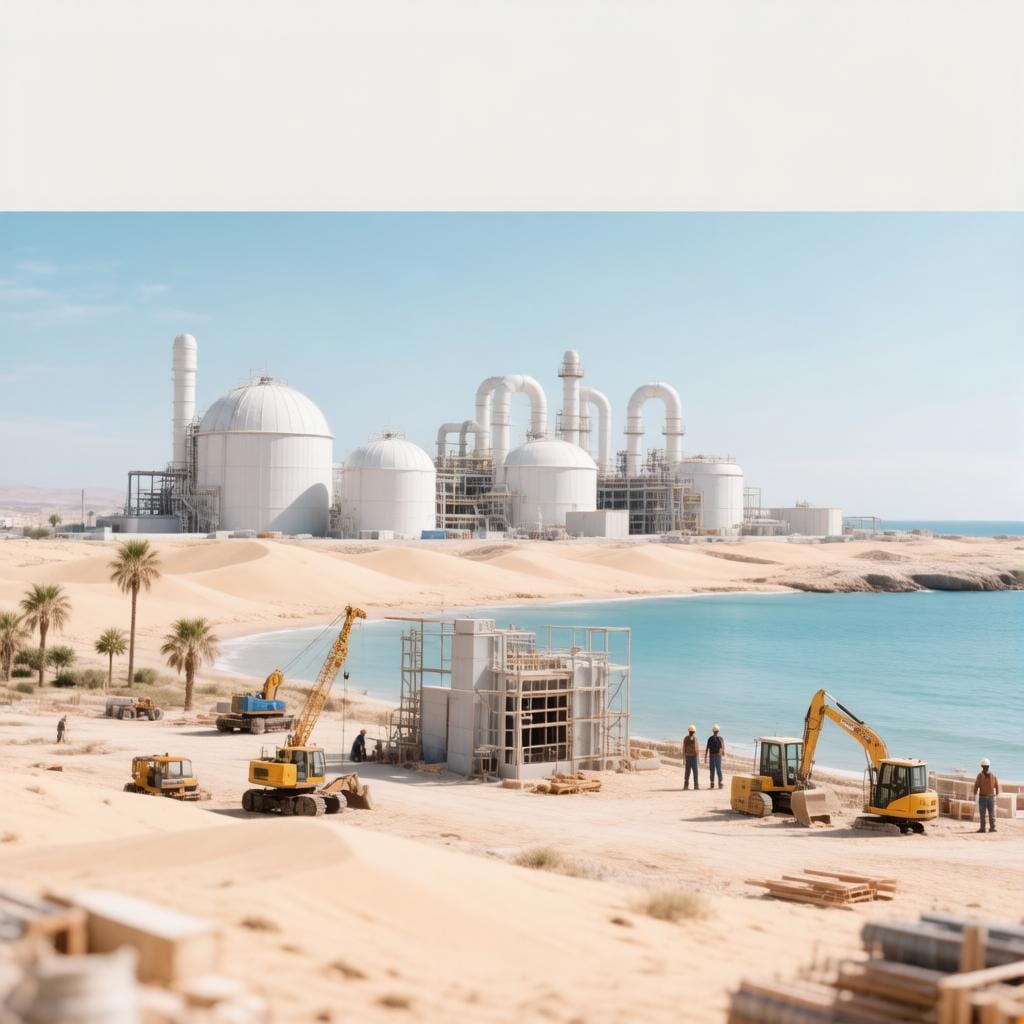
Formally, this is news about Middle Eastern infrastructure, but Kazakhstan has a much older and more curious history connected to this topic — it was on the Caspian shore half a century ago that the world's first nuclear desalination plant went into operation.
The gist in brief
- Israel is preparing to build one of the world's largest desalination complexes in Emek Hefer with a capacity of 400 million m³ per year — twice the originally planned volume.
- The completed complex will be able to produce about 1.1 million m³ of fresh water per day, covering roughly 40% of the country's current water consumption by households and industry, excluding agriculture.
- To power the plant, a gas-fired power station with a capacity of up to 300 MW is planned nearby; construction of both facilities could cost 5–6 billion shekels and take about seven years.
- Part of the additional water volumes could in the future be supplied to Jordan under the Prosperity Blue project — an exchange of desalinated water for solar electricity — although no new agreements have been reached on this matter yet.
Why Israel needs a desalination plant of this scale
The project in Emek Hefer was originally planned to be half the size — 200 million m³ per year — but the authorities revised their calculations upward. The reasons are standard for many countries experiencing water stress: rapid population growth, increasing consumption, and the need to reduce dependence on rainfall and natural water sources amid a hotter and drier climate. In terms of output, the future complex will rank alongside the world's largest desalination facilities operating in the Persian Gulf countries — few nations are currently building projects of comparable scale.
Infrastructure and risks
Desalination is an extremely energy-intensive process, so the project has been conceived from the outset as a single integrated complex: the plant, a dedicated gas-fired power station, pipelines, reservoirs, and water transportation systems. Seawater is planned to be drawn two kilometers offshore and delivered via pipelines to the facility, while treated water will be fed into the national water supply system. The project already has its opponents: local authorities in Emek Hefer fear the impact of a large industrial facility and a potential gas plant on the region's ecology and agriculture, and after the recent military conflict with Iran, a strategic argument has been added — a major complex simultaneously providing the country with water and electricity becomes a potential target for missile attacks.
Water in exchange for energy
A separate part of the plan is the cross-border dimension of the project. The authorities intend not only to meet Israel's domestic needs but also to create a reserve, part of which could in the future go to supplies to Jordan — under the previously discussed Prosperity Blue project, which envisaged the annual transfer of 200 million m³ of desalinated water in exchange for solar electricity generated in Jordan. This is a rare case where one country's water infrastructure is directly linked to an energy exchange with a neighboring state, although the parties have not yet reached any specific new agreements.
Kazakhstan's historical precedent
Kazakhstan has a direct connection to large-scale desalination — and not only today. Back in 1972, on the eastern shore of the Caspian Sea, in the city of Shevchenko (now Aktau), the world's first nuclear desalination plant went into operation as part of the Mangyshlak Nuclear Power and Desalination Complex — a facility based on the BN-350 fast neutron reactor, producing desalinated water for agricultural needs and drinking water supply in the region.
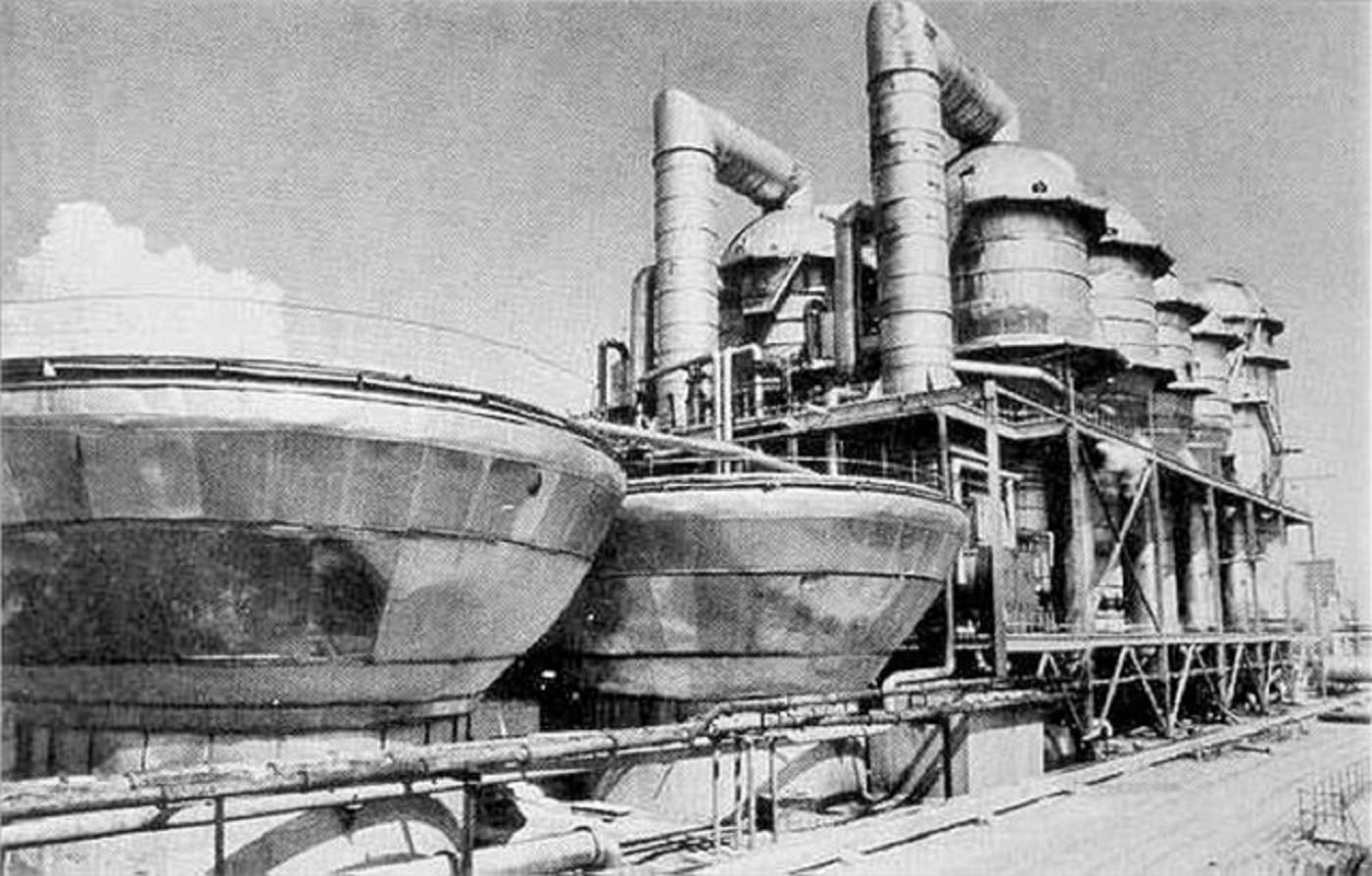
Mangystau Region continues this tradition today. In the village of Kuryk in the Karakiya district, a desalination plant was commissioned in 2025 with a production capacity of 10 thousand cubic meters of water per day.
Author's conclusion
The Israeli project and the Kazakh experience are, in essence, two different answers to the same problem of fresh water scarcity in arid regions, separated by half a century. If in the 1970s Mangystau was the first in the world to commit to nuclear desalination as the only available technology for a waterless coastline, today's Israeli project shows just how large-scale and energy-intensive this task remains even fifty years later — regardless of the specific technology, desalinating large volumes of seawater still requires a comparably sized dedicated energy infrastructure.

Comments ()