KAZ Minerals requests that copper processing tariff be calculated based on actual costs
KAZ Minerals proposed to the Ministry of Industry and Construction that copper concentrate processing tariffs be based on the processor's actual costs with subsequent verification, not only planned ones.
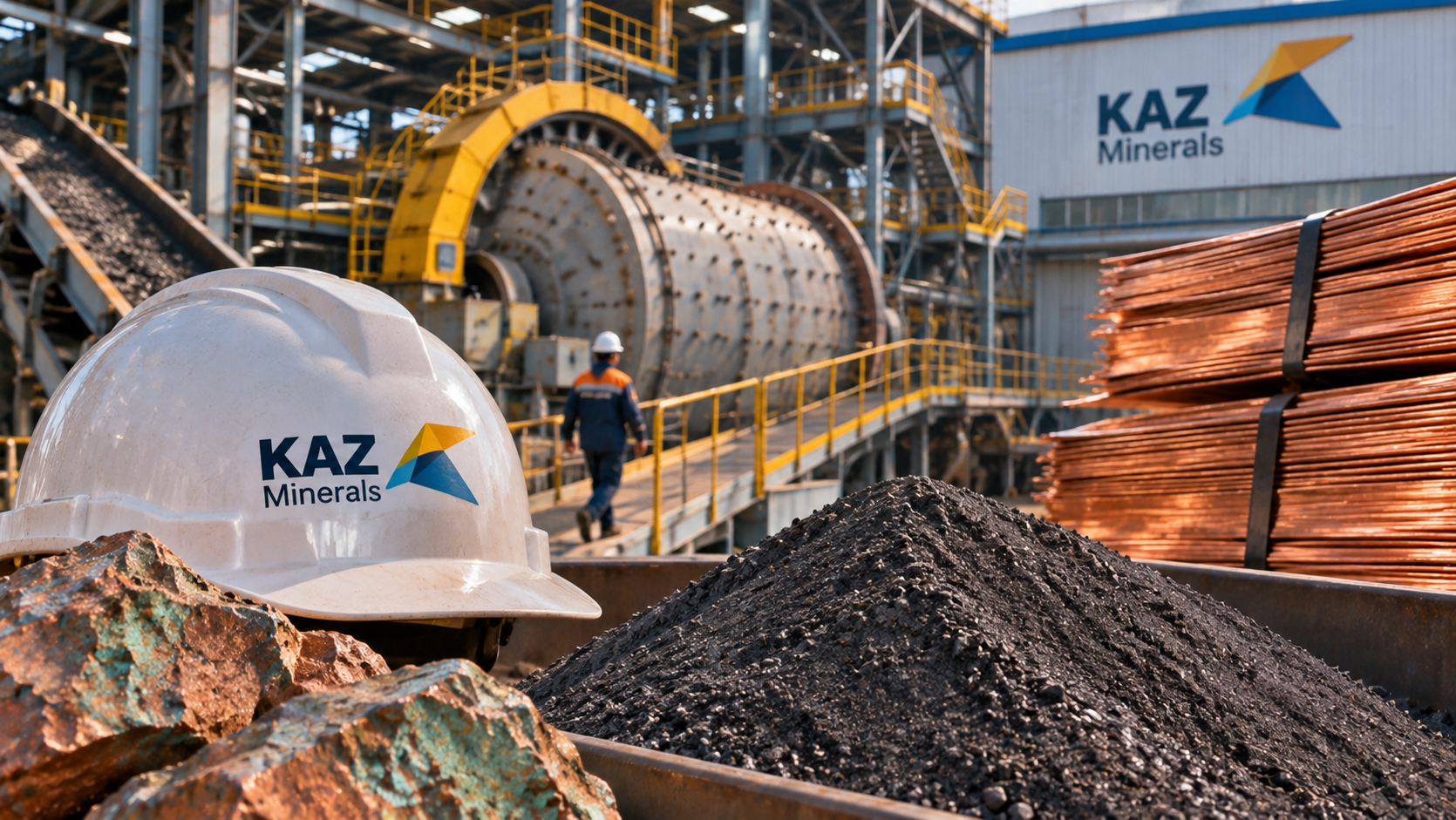
According to the company, the costs of modernizing and building capacity should not be shifted onto raw material producers, reports Inbusiness.kz.
The essence in brief
- The tariff calculation methodology was approved by order of the Minister of Industry and Construction No. 525 dated October 19, 2026, and came into force in early November.
- KAZ Minerals proposed three changes: calculate the tariff based on actual costs, justify investments, and introduce independent control of calculations.
- The company is building a copper smelter in Aktogay in the Abai region with a capacity of 300 thousand tons of cathode copper per year.
- According to the company, the methodology does not change the construction timeline of the plant.
What KAZ Minerals proposes
The company sent its proposals to the Ministry of Industry and Construction and the National Chamber of Entrepreneurs "Atameken" and presented them at a meeting of the industry committee. They concern three issues. The first is the calculation base: the company proposes to rely on the actual costs of the processor with subsequent verification. The second is investments: the costs of modernizing and building capacity must be justified and not shifted onto raw material producers. The third is control: an independent audit of costs and the participation of raw material producers in approving calculations are needed.
The company supports the development of processing capacity, including through a formula where modernization is financed by higher processing rates. At the same time, according to KAZ Minerals, the developer of the methodology did not conduct a preliminary analysis of the financial consequences for the industry.
How the methodology works
As Newtimes.kz writes, the tariff can now include capital investments in the modernization of existing capacity, improving its efficiency, and building new capacity. The methodology does not guarantee automatic reimbursement of any investments: a business plan, an investment program, and information on capacity and payback periods are required for the calculation. The order comes into force ten calendar days after its first official publication.
What the company says about its plant
KAZ Minerals has been building the plant in Aktogay since October 20, 2026; the launch was given by President Kassym-Jomart Tokayev. Investments are estimated at $1.8 billion, with the first products planned for 2030. After launch, the company expects to process its own concentrate domestically at the plant, while processing third-party concentrate depends on available capacity and commercial terms.
The decision to build was made before the publication of the methodology, the timeline is not changing, but the methodology may affect the economics of the project, the company stated.
What is happening with copper processing in Kazakhstan
The country extracts significantly more copper than it processes: in 2025, copper ore extraction grew to 163.7 million tons, 4.3 times higher than the 1990 level, while refined copper output amounted to 471.8 thousand tons, 1.3 times more, and the 2020 record of about 477 thousand tons has not been surpassed. The plant in Aktogay, being built with the engineering participation of China's NFC, will also produce gold, silver, and sulfuric acid. In parallel, the Ministry of Industry is working on introducing an export duty on copper concentrate, but the rate size and timeline have not yet been determined, and there is no official decision.
Author's conclusion
The dispute is not about processing itself, but about who pays for modernization and new capacity. The methodology allows capital investments to be included in the tariff, and KAZ Minerals, which is itself building a plant, is seeking to make verifiable actual costs, rather than planned ones, the basis for calculation. For raw material producers, the main question is how much this will cost in practice: the answer will be provided by the first tariffs calculated under the methodology.

Comments ()