Kazatomprom interested in new long-term uranium contracts with US companies
Kazatomprom CEO Meirzhan Yussupov told a Kazakhstan-US business roundtable in Washington that the company seeks new long-term contracts with US energy firms.
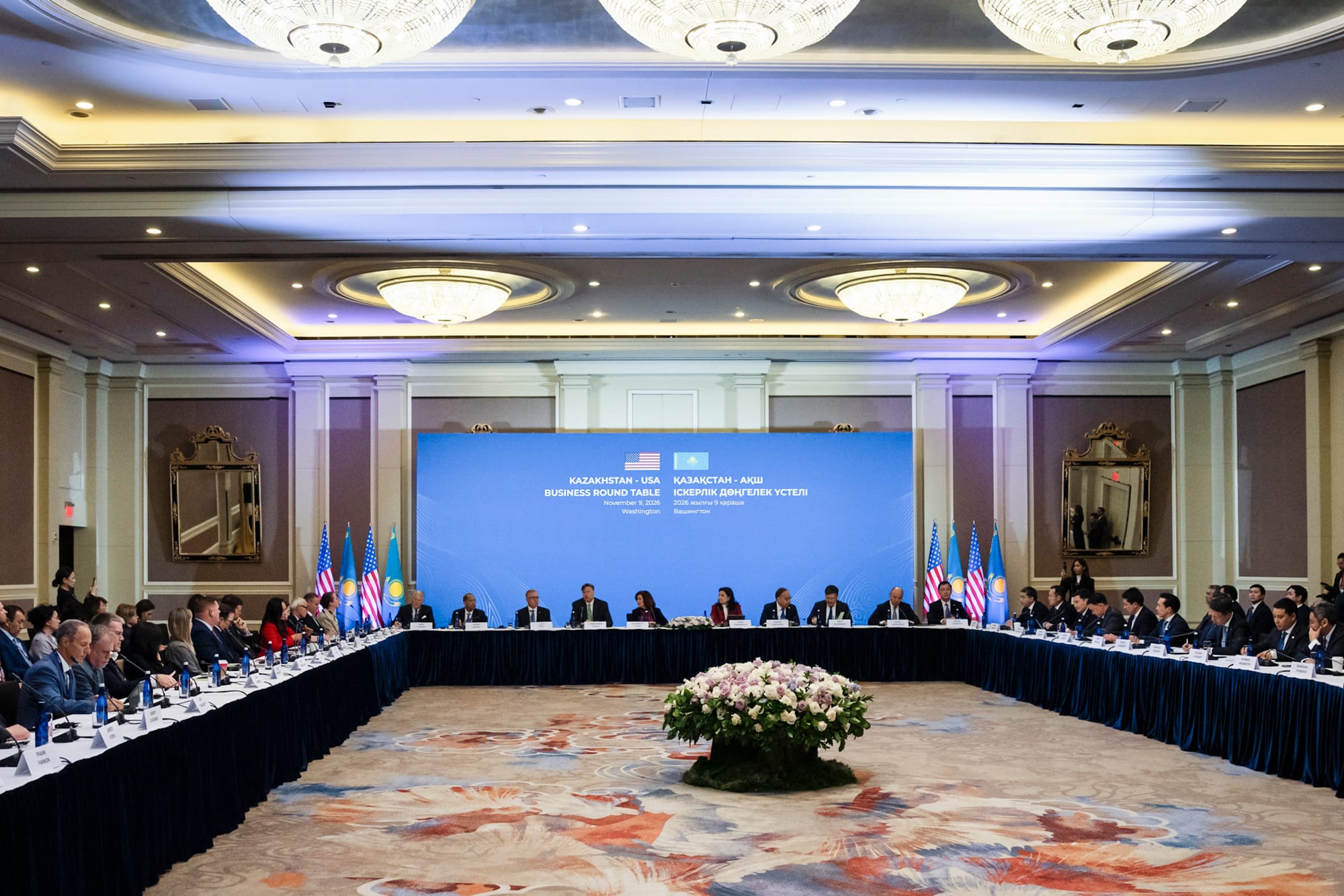
The meeting took place as part of the B20 summit, Kazatomprom reports.
The gist in brief
- The company expects contracts on market terms, within the "Value over Volume" approach.
- Kazakhstan has remained the largest producer of natural uranium for more than 15 years and accounts for about 40% of global primary production.
- Kazakhstan accounted for 28% of uranium supplies to U.S. nuclear power plants in 2025; only Canada had more, with 32%.
- The round table "From Strategic Partnership to Real Projects" was held as part of the B20 summit, which opened in Washington on November 9.
What the head of Kazatomprom said
The meeting discussed Kazakhstan's role in U.S. energy security and the prospects for bilateral cooperation in the nuclear industry. Yusupov noted that concluding contracts in advance is beneficial: it helps plan production and logistics and makes supplies more predictable.
"We are interested in concluding new long-term contracts with American energy companies on market terms within our Value over Volume approach, focused on creating long-term value. Concluding such agreements in advance allows us to plan production and logistics taking into account the needs of buyers and to ensure predictability of supplies," said the chairman of the management board of NAC Kazatomprom
The company recalls that it has long cooperated with American energy companies and maintains an office in Bethesda, Maryland. Expanding its presence in the U.S. market, according to the company, is in line with its strategy of diversifying sales markets.
What place Kazakhstan occupies in the U.S. uranium market
According to data from the U.S. Energy Information Administration (EIA), Kazakhstan accounted for 28% of natural uranium supplies to U.S. nuclear power plants in 2025. Canada supplied 32%, Australia 15%, and uranium of U.S. origin accounted for 7%.
What the event is
The B20 summit opened in Washington on November 9, hosted by the U.S. Chamber of Commerce. The Kazakhstan-U.S. round table was organized by the Ministry of Foreign Affairs of Kazakhstan, the National Chamber of Entrepreneurs Atameken, and the U.S. Chamber of Commerce.
What is happening with Kazakhstan's uranium market
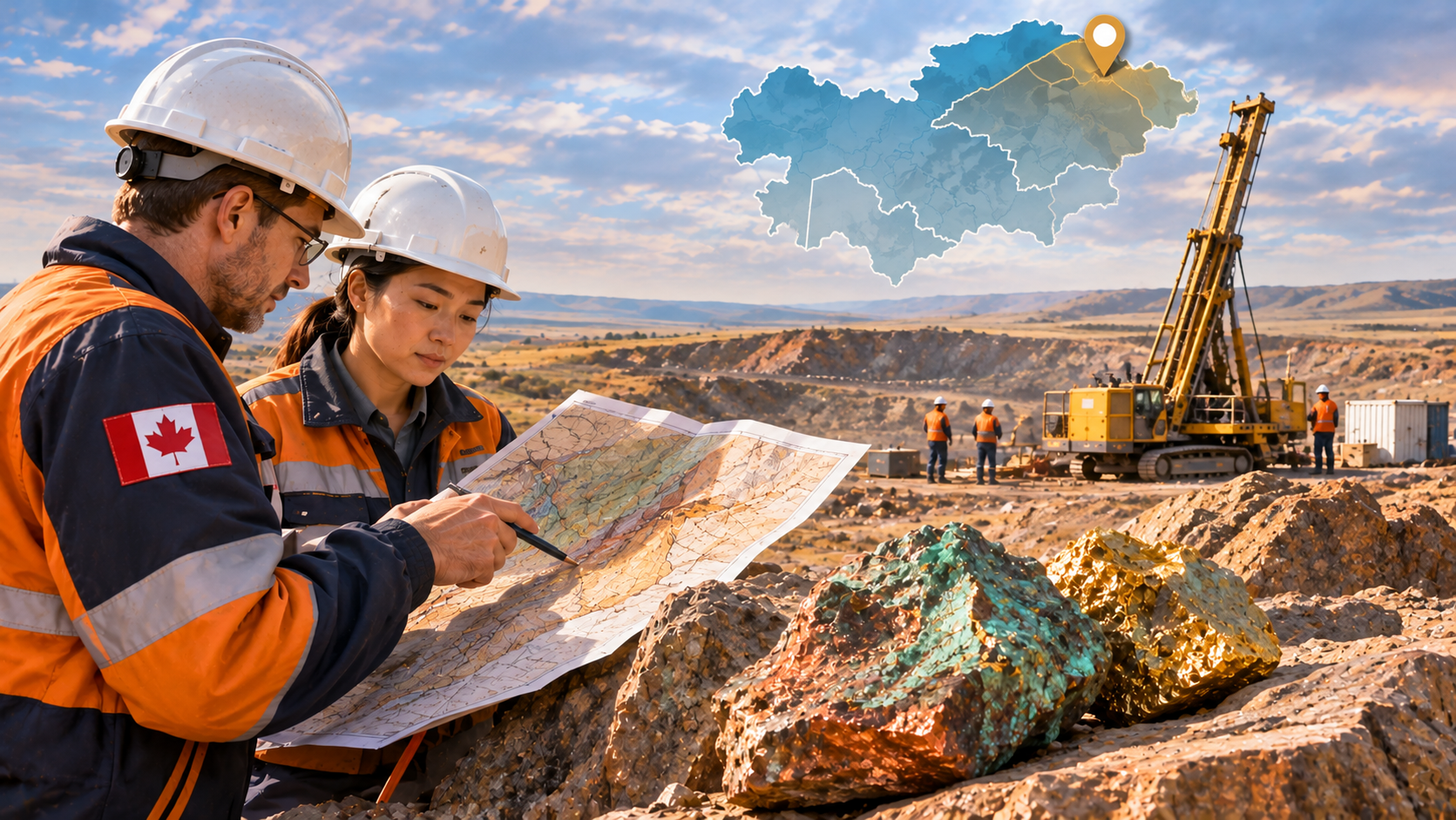
Kazatomprom is conducting uranium exploration at six sites with an area of more than a thousand square kilometers and plans to begin work at the Kyzyltu site, which the company received under a six-year license: its resource is preliminarily estimated at up to 10 thousand t, but geological exploration has not yet confirmed this figure. At Inkai, the joint venture YuGKhK, where 70% is held by Rosatom and 30% by Kazatomprom, plans to reduce production in 2026-2029 to 7,605 t from 8,217 t under the 2025 project. The uranium industry in 2025 paid 444.1 billion tenge into the budget, while export revenue fell to $2.98 billion from $4.54 billion a year earlier. At the same time, Kazakhstan is gaining competitors: Canada's NexGen Energy has started building the Rook I mine in Saskatchewan province, which in four years should reach production of about 11.5 thousand t of uranium per year, and France's Orano is preparing the Zoovch-Ovoo deposit in Mongolia, where production using the in-situ leaching method, as in Kazakhstan, is expected by 2028. The country intends to set aside part of the uranium for its own nuclear power plants: by 2050 Kazakhstan plans to reserve at least 150 thousand t.
Author's conclusion
Yusupov's statement so far indicates an intention rather than a concluded deal. . But the desire to lock in long-term supplies coincides in time with the emergence of new competitors: Canada's NexGen is already building a mine, France's Orano is preparing production in Mongolia, and Canada remains the main supplier of uranium to U.S. nuclear power plants today. For Kazakhstan, which occupies second place in this market, long-term contracts will become a way to secure its share before the new mine reaches its design capacity.
Comments ()