Kazakhstan approved a hydropower development plan — and digitized data on 23,000 water bodies
Government approved the hydropower development plan until 2035; the Water Ministry reported digitizing data on 23,000 water facilities nationwide.
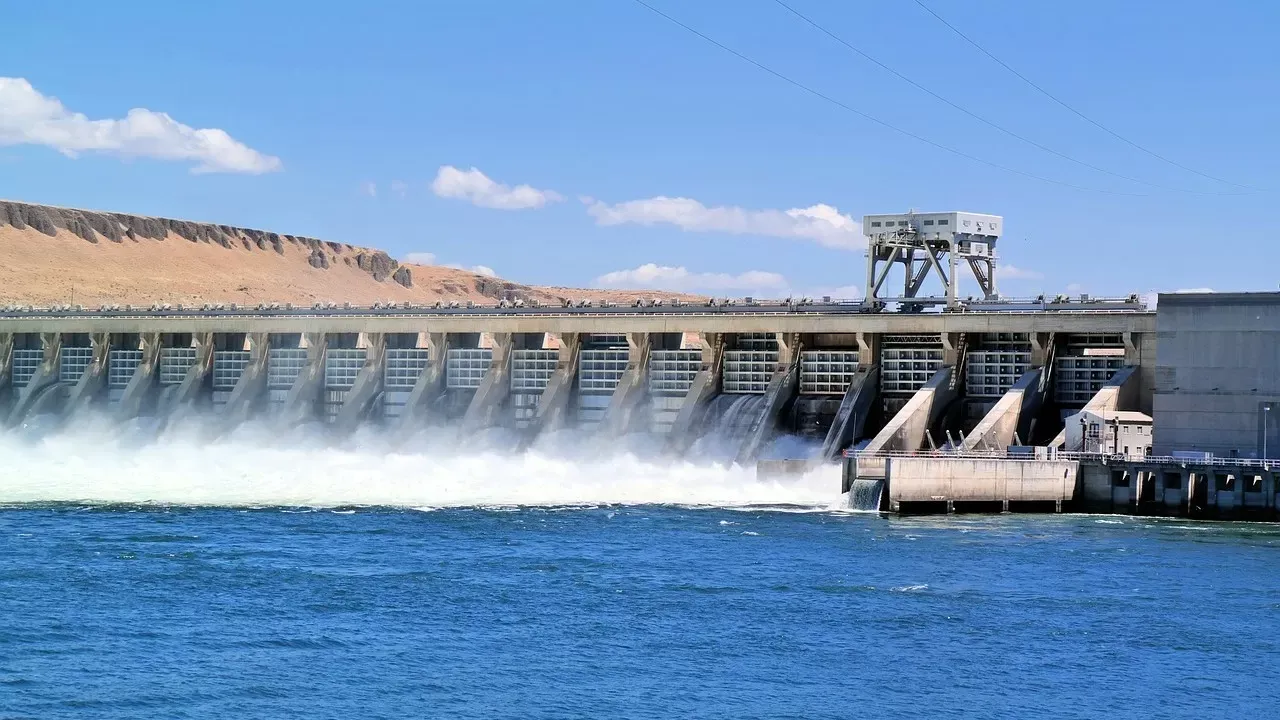
Two news stories published three days apart actually form a single narrative. The digitalization of water bodies is precisely the database without which the first cannot be implemented: it is impossible to site new hydroelectric power plants without accurate figures on the condition of rivers, lakes, and the water balance.
The gist in brief
•Prime Minister Olzhas Bektenov signed a resolution approving the Plan for the Development of Kazakhstan's Hydropower Industry until 2035 — 30 measures across six key areas.
•By the end of 2030, the commissioning of at least 500 MW of new hydropower capacity is envisaged, and the construction of a pumped-storage hydroelectric power plant is being developed separately.
•In parallel, the National Water Resources Information System (NWRIS) has digitalized and structured data on more than 23,000 water bodies — 17,748 rivers, 3,148 lakes, and 1,109 hydraulic structures.
•The system has already received over 2,200 primary water accounting reports, contains about 9,000 digital passports of structures, and is at the final stage of preparation for industrial operation.
Hydropower plan until 2035
The document signed by Prime Minister Olzhas Bektenov forms a unified long-term approach to developing the country's hydropower potential within the framework of the head of state's instructions on diversifying the electric power industry. The plan includes 30 measures in six areas: assessment of the water balance and energy potential of rivers, formation of a unified database on planned facilities, preparation of land plots, creation of a pool of HPPs and pumped-storage stations, as well as staffing and scientific-technical support for the industry. When selecting sites for future facilities, the government promises to consider not only technical capabilities and the needs of the power system, but also environmental constraints related to water supply in the regions.
The data on which the plan will be built
A key detail of the plan is the promise to consolidate all information on a single digital platform that will serve as a data source for government agencies and investors. This work, in fact, is already being carried out by the National Water Resources Information System, on the progress of which the Ministry of Water Resources has reported. According to the ministry, about 3,000 organizations and more than 4,000 users are registered in the system, and its functional capabilities include maintaining the water balance, accounting for and analyzing water use, monitoring the condition of reservoirs, working with data on transboundary water bodies, and applying space-based monitoring. Chairman of the Management Board of the "Information and Analytical Center for Water Resources" JSC Kairatgali Khairulla noted that the system is at the final stage of preparation for industrial operation.
Why a digital foundation is indispensable here
Choosing a site for a new HPP is not only a matter of terrain and the capacity of the future station, but also a calculation of how much water will pass through it today and in ten years, how this will affect water users downstream, and whether the new station will lead to water shortages in a low-water year. Kazakhstan has already gone through such calculations in a much harsher form — the Syr Darya quotas for 2026 had to be cut by almost half due to insufficient filling of the cascade's reservoirs in the previous season. A similar story is unfolding at the level of irrigation infrastructure: in parallel with the reconstruction of thousands of kilometers of irrigation canals, it is becoming clear that the level of pressure on the country's water resources already exceeds the 34.6% threshold, which the UN considers a sign of water scarcity, while agriculture itself consumes 65% of all water in Kazakhstan. It is precisely to ensure that decisions on new HPPs and reservoirs are made based on up-to-date data rather than retroactively that a unified system like NWRIS is needed: without a reliable picture of the water balance for each river basin, the plan for building new HPPs risks relying on outdated or incomplete figures — just as the canal reconstruction program risks repairing pipes faster than the actual volume of water flowing into them from the mountains changes.
Author's conclusion
Individually, these two news stories look like routine reports on the work of two different agencies — the government and the Ministry of Water Resources and Irrigation. But together they show a more holistic picture: Kazakhstan is building its hydropower strategy not in isolation from data on the state of water resources, but on top of it. The question is whether the digital infrastructure will be fully operational by the time specific sites have to be selected for the first of the planned 500 megawatts — if NWRIS does indeed enter industrial operation on time, the plan will receive exactly the evidence base that decisions in the water sector often lack today.


Comments ()