Kazakhstan gave NCOC a deadline of July 20 to pay an environmental fine of 2.3 trillion tenge
The operator of the Kashagan oil field, NCOC, must pay Kazakhstan a $5 billion environmental fine by July 20.
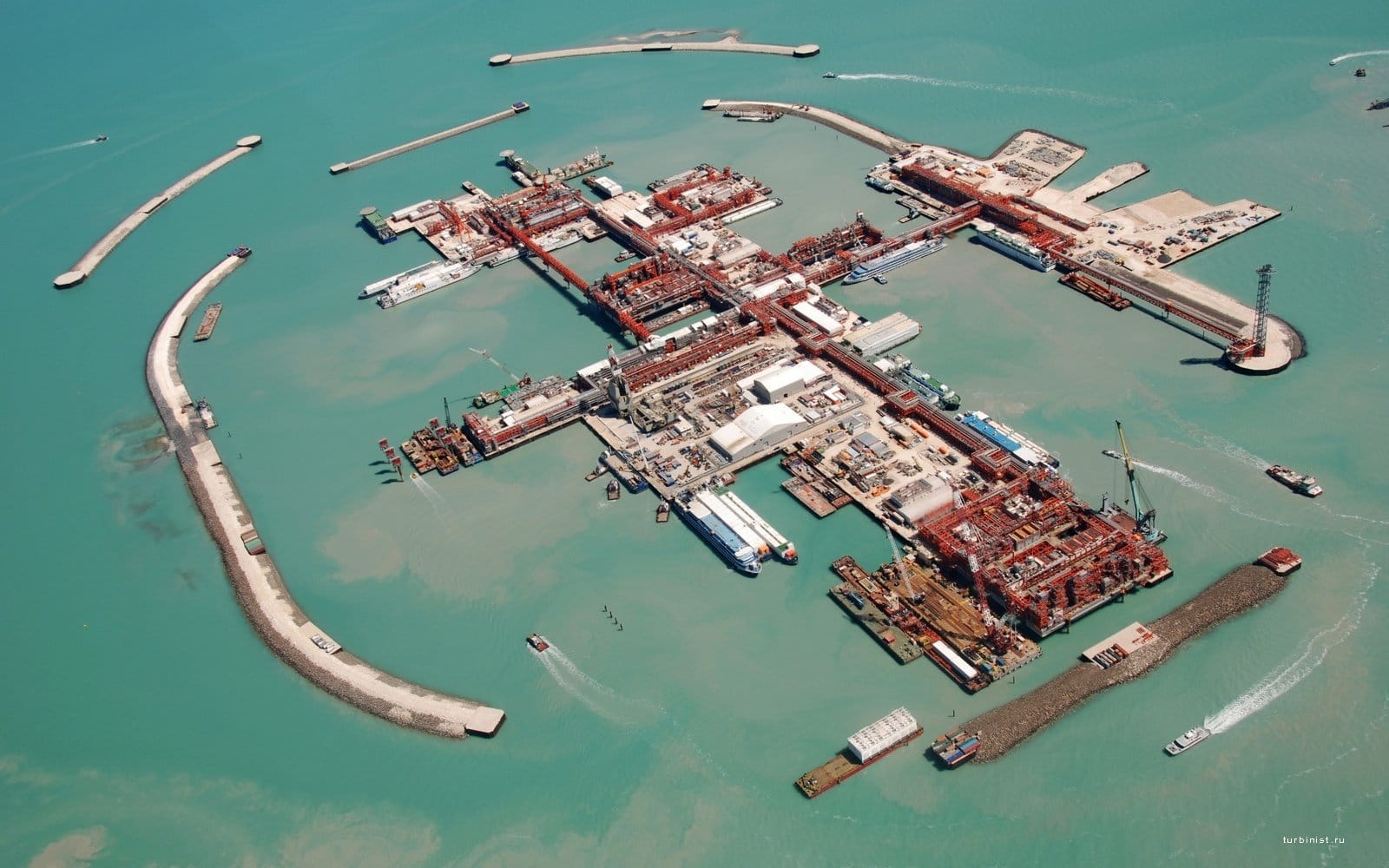
As reported by Tengrinews.kz, if the funds are not received by the established deadline, the authorities intend to proceed with enforced collection. Simultaneously, foreign shareholders of the project continue to challenge the decision in international arbitration in Washington.
The Gist
- NCOC is obliged to pay Kazakhstan 2.3 trillion tenge by July 20.
- In case of non-payment, enforcement proceedings will be initiated.
- The fine is related to the excess storage of about 1.2 million tons of sulfur at Kashagan.
- In parallel, foreign participants of the consortium are seeking to have the dispute heard in the ICSID international arbitration.
- Experts warn that enforced collection could complicate the project's operations.
The State Now Has a Mechanism for Enforced Collection
As reported by Vice Minister of Justice Daniel Vaisov, the decision of the Kazakh court has already entered into legal force. Foreign participants of the consortium retain the opportunity to voluntarily comply with the court decision until July 20.
If this does not happen, the Ministry of Justice will initiate the procedure for enforced collection.
"Enforcement proceedings will be initiated and measures of enforced collection will be applied," stated Vaisov.
What Caused the Dispute
The environmental conflict between Kazakhstan and the operator of Kashagan has been ongoing for several years.
During an inspection conducted in 2022, environmental authorities established that approximately 1.2 million tons of sulfur were stored at the field in excess of the established norms. This served as the basis for imposing a fine of 2.3 trillion tenge.
Court proceedings continued from 2023. After several reviews of the case, Kazakh courts ultimately recognized the demands of the environmental authorities as lawful, and in the spring of 2026, the appellate instance upheld the decision.
But the Dispute Has Already Gone Beyond Kazakhstan
Despite the decision of the Kazakh court having entered into force, the conflict continues at the international level.
Six foreign participants of the consortium have appealed to the International Centre for Settlement of Investment Disputes (ICSID) in Washington. The composition of the arbitration panel, which is to begin hearing the case, is currently being formed. At the same time, KazMunayGas, also a member of NCOC, did not join the lawsuit.
Executive Director of the Energy Monitor fund, Nurlan Zhumagulov, notes that the further development of the situation will depend on which processes prove faster — the actions of Kazakh bailiffs or the international arbitration.
According to him, freezing accounts or other collection measures could impact the project's operational activities. At the same time, NCOC itself is the operator, while the main financial resources are held by the consortium's shareholders.
What This Means for Kazakhstan
The NCOC case has become one of the largest environmental disputes in the history of independent Kazakhstan. Its outcome will be significant not only for the oil and gas industry but also for the entire system of relations between the state and foreign investors.
On one hand, the authorities are demonstrating a willingness to enforce environmental legislation regardless of the project's scale. On the other hand, the parallel proceedings in international arbitration show that such disputes are increasingly moving into the realm of international investment law.
Author's Conclusion
The story of Kashagan is gradually turning into a litmus test of how effectively Kazakhstan can protect its environmental interests in relation to the largest international investors. If the fine is indeed collected, it will become an important precedent for applying the "polluter pays" principle. If the dispute ultimately moves entirely to international arbitration, the outcome of the case could influence the state's future relations with foreign companies operating in strategic sectors of the economy.


Comments ()