Kazakhstan proposed to Korea to create a joint food industry cluster
At the Central Asia–Republic of Korea business summit, Kazakhstan's president put forward a proposal that remains just that — with no signed terms, timelines, or investment figures.
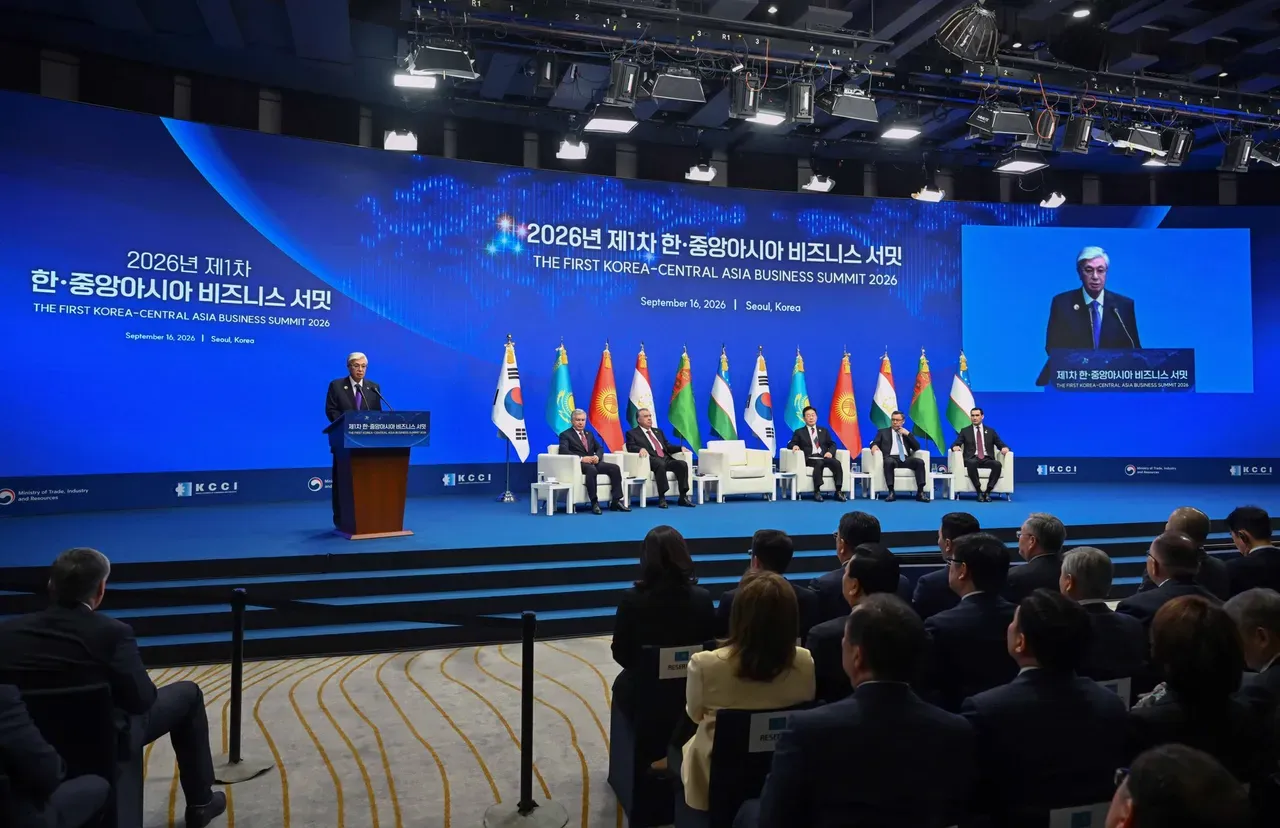
Behind the proposal are quite real figures from Kazakhstan's agro-industrial complex, which make the very idea not unfounded.
The essence in brief
- Kassym-Jomart Tokayev proposed to South Korean partners that they combine the competitive advantages of the two countries in the agro-industrial sector and create a joint food industry cluster focused on production, deep processing and export of products to external markets.
- The president's argument: Kazakhstan has land resources, while Korea is a recognized leader in highly efficient and technologically advanced agriculture.
- In 2025, Kazakhstan harvested a record grain crop — about 27 million tonnes; exports of agro-industrial products go to more than 70 countries worldwide and reached $7 billion.
- The proposal on the agro-industrial complex was part of the overall package of Kazakh-Korean agreements — following the visit, about 80 agreements worth around $19 billion were signed, but the specific named projects from this package relate to other sectors: gas processing, the automotive industry, the hotel business, AI and nuclear technologies.
What exactly was proposed
The president's wording sounded like an invitation to invest, rather than an announcement of an already agreed project: Kazakhstan is offering Korean companies not just a capacious domestic market, but opportunities to locate production facilities, introduce technologies and subsequently enter the markets of the entire Eurasian continent. According to Tokayev, such a partnership is capable of providing a multiplier effect not only for the two countries, but also for the region as a whole. At the same time, neither in the president's speech nor in the accompanying materials from the Akorda press service were any specific Korean companies — potential participants in the cluster — named, nor the approximate volume of investments, nor the timelines for implementation.
Expert skepticism about the entire package
It is telling that restraint in assessments was heard not only with regard to the agricultural proposal, but also with regard to the entire package of Kazakh-Korean agreements. Experts surveyed by Kazakh publications — including KISI analyst Anuar Kurmashev — specifically emphasized: the stated $19 billion represents the volume of signed commercial agreements, not investments already implemented, and their real economic effect has yet to be assessed. Other commentators made a similar point: the main question is not how many documents were signed, but whether the agreements can be translated into sustainable production ties, localization, workforce training and the output of products with high added value.
Why the proposal does not look accidental
For all the vagueness of the wording, the idea itself rests on a real asymmetry in the strengths of the two economies. Kazakhstan has an excess of agricultural land and is already increasing grain production volumes, but continues to export a significant portion of its products with low added value. South Korea, by contrast, possesses advanced agricultural technologies despite limited land resources of its own — classic conditions for complementary partnership, although in such large-scale initiatives it usually takes more than a year to go from an idea to its practical implementation.
Author's conclusion
The proposal for a Kazakh-Korean agro-cluster currently exists in the status of a political declaration — without a signed agreement, specific partners or stated investment volumes specifically in this sector. This does not make the idea unserious: the record harvest and growing exports of agricultural products create a real basis for such a partnership, and experts themselves acknowledge that it is precisely the ability to turn broad framework agreements into concrete production chains that will determine whether the entire Korean track of Kazakhstan's foreign policy justifies itself. But until the first concrete details appear — participants, volumes, timelines — it is premature to judge this project substantively.

Comments ()