Kazakhstan ranks second in the world in chernozem reserves, and it has finally begun to be protected.
According to the FAO UN Global Soil Partnership map, Kazakhstan ranks second globally in chernozem area — about 108 million hectares.
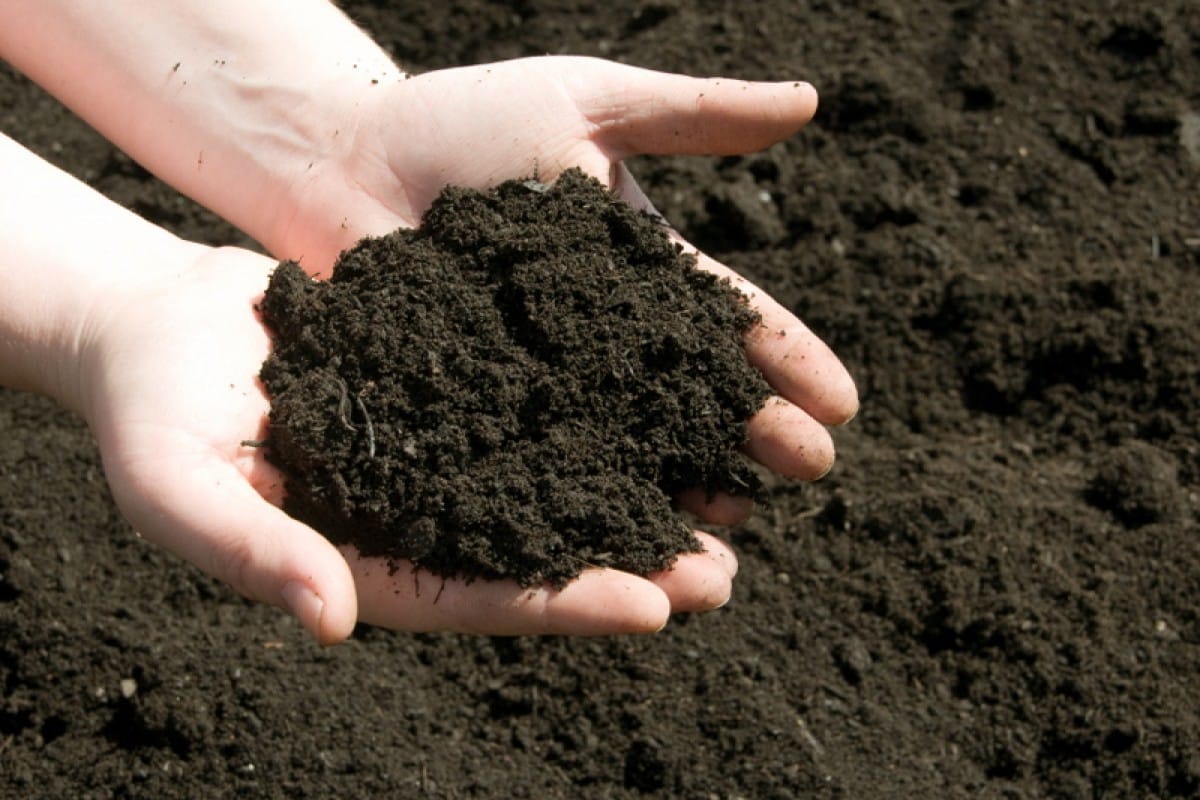
Chairman of the Russian Organic Farming Union Sergey Korshunov in an interview with RIA Novosti reminded that Kazakhstan ranks second in the world by area of chernozem soils.
The timing is notable: exactly one month earlier, the Senate of Kazakhstan adopted the first law in the country's history, "On Soil Protection," introducing a mandatory land passport for agricultural plots. Soil wealth and its systematic protection have for the first time found themselves on the same agenda.
The gist in brief
- According to the map of the FAO UN Global Soil Partnership, Kazakhstan ranks second in the world by area of chernozem — about 108 million hectares, second only to Russia (327 million hectares, approximately 45% of global reserves) and ahead of China (50 million hectares).
- On June 30, 2026, the Senate of Kazakhstan adopted the law "On Soil Protection," introducing a unified soil monitoring system and a mandatory land passport for agricultural plots.
- Soil degradation — erosion, salinization, nutrient depletion — has been recorded statistically for years but was not systematically regulated.
- Chernozems provide the lion's share of global grain production while occupying only about 4% of the planet's arable land.
How much chernozem Kazakhstan has and where this data comes from
The estimate is based on the chernozem map prepared by the Global Soil Partnership under the UN Food and Agriculture Organization (FAO) — the first attempt in history to systematize data on the distribution of this soil type worldwide. Russia maintains undisputed leadership with about 327 million hectares, which constitutes approximately 45% of all global chernozem reserves. Kazakhstan, with 108 million hectares, holds second place, ahead of China, where chernozem covers about 50 million hectares. These figures are not news from recent days — the map has existed since 2023, and the country ranking itself has already been discussed in Kazakh media before. But the repeated mention of Kazakhstan's status by an expert from the industry union coincided with the moment when the country had just adopted its first specialized law on protecting this resource.
Why the rest of the world needs chernozem
Chernozem is one of the most fertile soil types on the planet, owing its properties to a thick humus horizon accumulated over millennia under steppe vegetation. According to soil scientists, the world's chernozem regions — the Russian-Ukrainian steppe, the Argentine Pampas, the American prairies, and northeastern China — provide a disproportionately large share of global grain production relative to the area they occupy: chernozems cover only about 4% of the planet's arable land. This is why a country's status as the holder of one of the largest chernozem expanses is not merely a soil science fact but a strategic asset for food security and export potential.
Degradation that was not systematically counted for years
Before the adoption of the new law, issues of land fertility in Kazakhstan were regulated fragmentarily — through the Land Code and sectoral by-laws, without a unified monitoring system or clear obligations for land users. Erosion, salinization, and nutrient depletion in the soil remained a problem for many years that statistics recorded but systematic regulation did not address. Under such circumstances, the country's rich chernozem reserves were an asset used without adequate accounting of its condition.
The law that should change the rules of the game
It is precisely this gap that the law "On Soil Protection," adopted by the Senate of Kazakhstan on June 30, 2026, is designed to close. The document introduces a unified system of comprehensive soil condition monitoring, mandatory soil surveys and agrochemical analysis, as well as a mandatory land passport with soil characteristics — it will be required when agricultural plots are allocated. The Ministry of Agriculture calls the law an important part of the policy for the rational use of land resources, aimed at reducing land degradation and creating conditions for the sustainable development of the agro-industrial sector. In effect, this is a transition from formal land registration to substantive accounting — the state will receive up-to-date data on the condition of a specific plot even before it is transferred into use.
Author's conclusion
Kazakhstan's place in the global ranking of chernozem reserves is not news in itself — this data was known before. But the context has changed: for the first time, the country has acquired a legislative instrument that, in theory, should turn this natural wealth from a statistical fact into an object of systematic state control. For now, the law is only coming into force, and its real effectiveness will depend on enforcement — how diligently soil surveys are conducted and how much the land passport will affect the practice of plot allocation. But the very fact that second place in the world in chernozem reserves and the first law on soil protection in Kazakhstan's history appeared in the information space almost simultaneously is worth watching how these two storylines develop further.
Comments ()