Kazakhstan to introduce mandatory quarantine certificates for agricultural product transportation between regions
Kazakhstan’s Agriculture Ministry is preparing one of the largest overhauls of the phytosanitary control system in recent years.
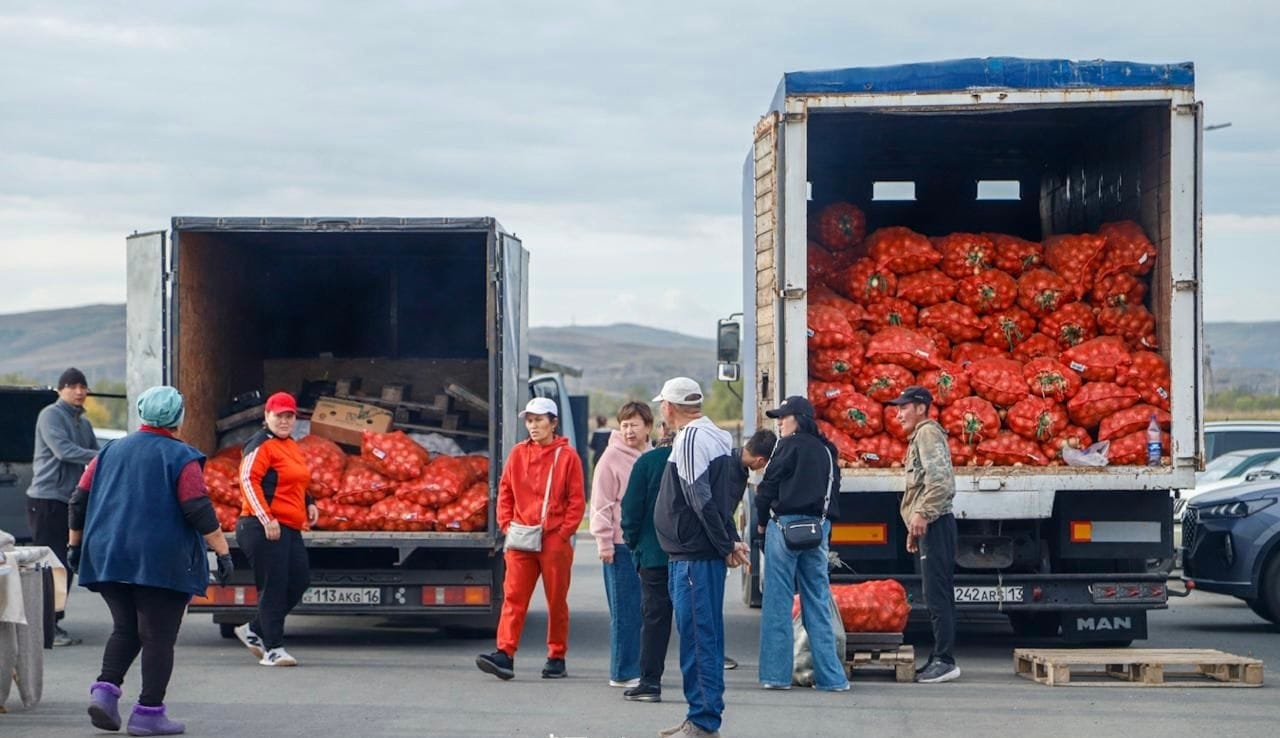
When transporting quarantine-regulated products between regions, it is planned to introduce a mandatory quarantine certificate, and to switch international shipments to electronic phytosanitary documents. The new measures are aimed at preventing the spread of dangerous pests and plant diseases, as well as increasing the transparency of agricultural product turnover.
In Brief
· Kazakhstan will introduce a mandatory quarantine certificate for the transportation of quarantine-regulated products between regions.
· International shipments will be switched to electronic phytosanitary certificates.
· The area of quarantine pest spread has decreased over five years from 61,900 to 46,500 hectares.
· In the first six months of 2026, over 1,530 violations were detected during imports, with fines exceeding 200 million tenge.
· Thanks to digitalization and a new locust control system, the state managed to reduce costs by approximately 2 billion tenge.
Control Becomes Mandatory
Issues of strengthening phytosanitary security were discussed at a meeting chaired by the Minister of Agriculture Aidarbek Saparov.
Chairman of the Committee for State Inspection in the Agro-Industrial Complex Saken Kanybekov reported that the department is preparing to introduce a mandatory quarantine certificate for the transportation of quarantine-regulated products between regions of Kazakhstan.
According to him, this will ensure full traceability of agricultural product movement and reduce the risk of spreading quarantine pests, plant diseases, and weeds.
In parallel, international shipments are planned to be switched to an electronic phytosanitary certificate, and the work of quarantine laboratories will be automated through the "EASU" information system.
Laboratories Strengthened Across the Country
In recent years, the state has significantly expanded the capabilities of the phytosanitary service.
The transition to paid phytosanitary expertise allowed:
· increasing laboratory staff by 254 specialists — from 118 to 372 employees;
· raising staff salaries;
· modernizing equipment;
· opening new laboratories near phytosanitary control posts.
Currently, there are 21 quarantine laboratories operating in the country, of which nine are already equipped with PCR equipment.
By the end of this year, modern diagnostic complexes will appear in Shymkent, Kostanay, and Kokshetau, and in 2027 — in Pavlodar, Taraz and at the "Bakhty" phytosanitary post. Additionally, it is planned to open another 10 laboratories at key checkpoints.
Fewer Quarantine Outbreaks
According to the Committee for State Inspection in the Agro-Industrial Complex, the area of quarantine pest spread in Kazakhstan has decreased by almost a quarter over the past five years — from 61,900 hectares in 2021 to 46,500 hectares in 2026.
At the same time, control over imported products remains strict.
In just the first half of 2026, inspectors identified over 1,530 violations during the import of quarantine-regulated products. The total amount of fines imposed was 200.2 million tenge.
Digitalization Helps Save Billions
Special attention at the meeting was given to combating locust pests.
The procurement of services was switched to a single comprehensive lot, allowing the state to reduce costs by approximately 2 billion tenge.
An additional effect was provided by the implementation of the GIS FITOCENTRE digital platform, the use of 103 drones, and an increase in the fleet of specialized spraying equipment from 427 to 556 units.
As a result, the area of chemical treatments against locusts decreased from 3.1 million hectares in 2024 to 1.8 million hectares in 2026.
What This Means for Kazakhstan
The new measures indicate a transition of the phytosanitary service from selective control to a digital traceability system for agricultural products.
Mandatory quarantine certificates, electronic document management, laboratory modernization, and the implementation of digital platforms should not only reduce the risks of spreading dangerous organisms but also strengthen the position of Kazakhstani products in foreign markets, where phytosanitary safety requirements are becoming increasingly stringent.
Author's Conclusion
Phytosanitary control is gradually becoming as important a part of agricultural policy as veterinary safety or digital accounting of farm animals. Judging by the scale of the planned changes, Kazakhstan is betting not only on combating quarantine threats but also on creating a unified digital system for monitoring the movement of agricultural products — from the field to the border. For farmers, this means stricter requirements for transport documentation, but at the same time, increased trust in domestic products in both domestic and foreign markets.

Comments ()