Rules for preferential lending to the agro-industrial complex in Kazakhstan have been changed: up to 5 billion tenge at 1% per annum for 10 years
Amendments have been made to the rules for lending to agro-industrial projects.
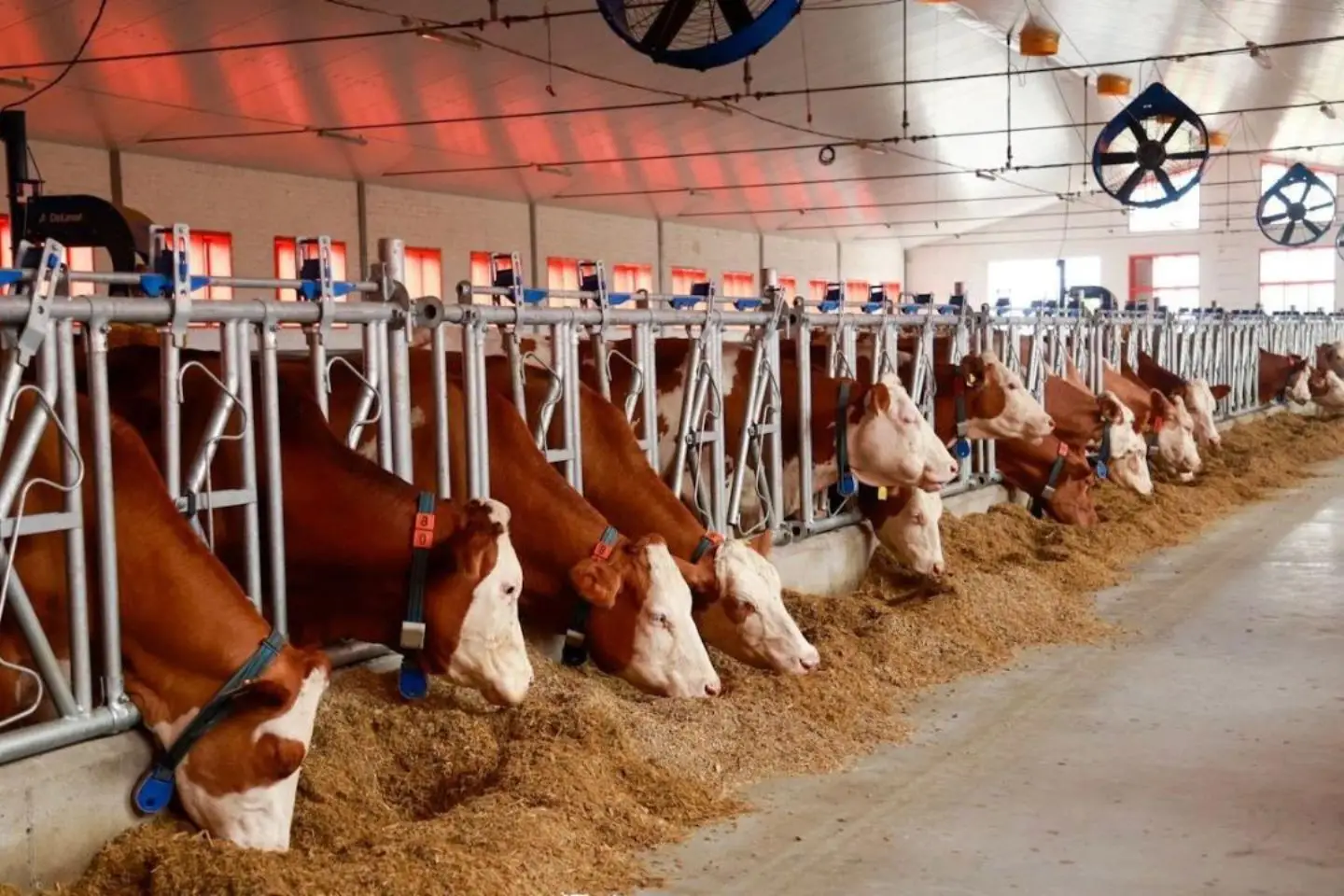
From June 29, 2026, updated rules for budget lending to the agro-industrial complex come into force in Kazakhstan. The order of the Minister of Agriculture dated June 15 expands the list of priority areas, clarifies financing conditions, and introduces new requirements for projects. The rate is 1% per annum, the term is up to 10 years, and the maximum amount per project is 5 billion tenge.
The Gist Briefly
- Funds from the republican budget are provided to local executive bodies on the terms of repayment, urgency, payment, and security. The rate is 1% per annum, the loan term is up to 10 years.
- Financing is directed towards the construction of dairy farms, poultry farms, beef cattle enterprises, feedlots, meat processing facilities, vegetable and fruit storage facilities, greenhouse complexes, deep processing facilities, as well as the development of aquaculture and sheep farming operations.
- The grace period for principal repayment is up to 24 months, the loan disbursement period is up to 18 months from the date of fund transfer.
- The maximum loan amount per project using republican funds is up to 5 billion tenge at a nominal rate of 2.5% per annum. Co-financing of at least 10% of the project cost is required.
- Loan funds cannot be used for the purchase of agricultural machinery and working capital, including the purchase of animals for fattening.
- From July 1, 2026, a mandatory positive expert review of projects in accordance with construction legislation is introduced.
What Changed and For Whom
The updated rules expand the list of areas eligible for preferential financing. The key innovation is the emphasis on processing and storage infrastructure: greenhouse complexes, vegetable and fruit storage facilities, and deep processing facilities for agricultural products are now explicitly listed as priorities. This aligns with the Ministry of Agriculture's overall course towards increasing added value within the country — the same rationale that led to the introduction of export quotas on beef.
When financing from local budgets, akimats independently determine priority lending areas, taking into account regional needs and efficiency criteria. This means that the set of projects available for lending may vary from region to region.
Requirements for Borrowers
The main criteria for project selection are defined as socio-economic significance, job creation, applicant experience, financial stability, availability of collateral, and co-financing of at least 10% of the project cost.
The provision on mandatory construction expert review from July 1 deserves special attention — it closes a loophole where budget funds were spent on projects that had not undergone standard engineering approval.
An important restriction: the use of loan funds does not extend to the purchase of agricultural machinery and working capital, including the purchase of animals for fattening. The program is focused exclusively on capital investments — the construction and modernization of production infrastructure.
Author's Conclusion
The updated preferential lending rules are not a revolution, but a fine-tuning of an already functioning instrument. A rate of 1% per annum for ten years is one of the most attractive conditions for capital-intensive agricultural projects in the region. The focus on processing and storage instead of raw material exports indicates a systemic shift in the priorities of agricultural policy. The question, as always, lies in implementation: how transparent the project selection will be and whether the funds will reach mid-level farmers, and not just large agricultural holdings.



Comments ()