Sewage storage pond of former plant near Tobol in Kostanay to be tested for copper contamination
Kostanay is studying the industrial wastewater pond of a former copper-ammonia plant located in the Tobol River water protection zone; soil there previously showed copper levels above maximum permissible concentrations.
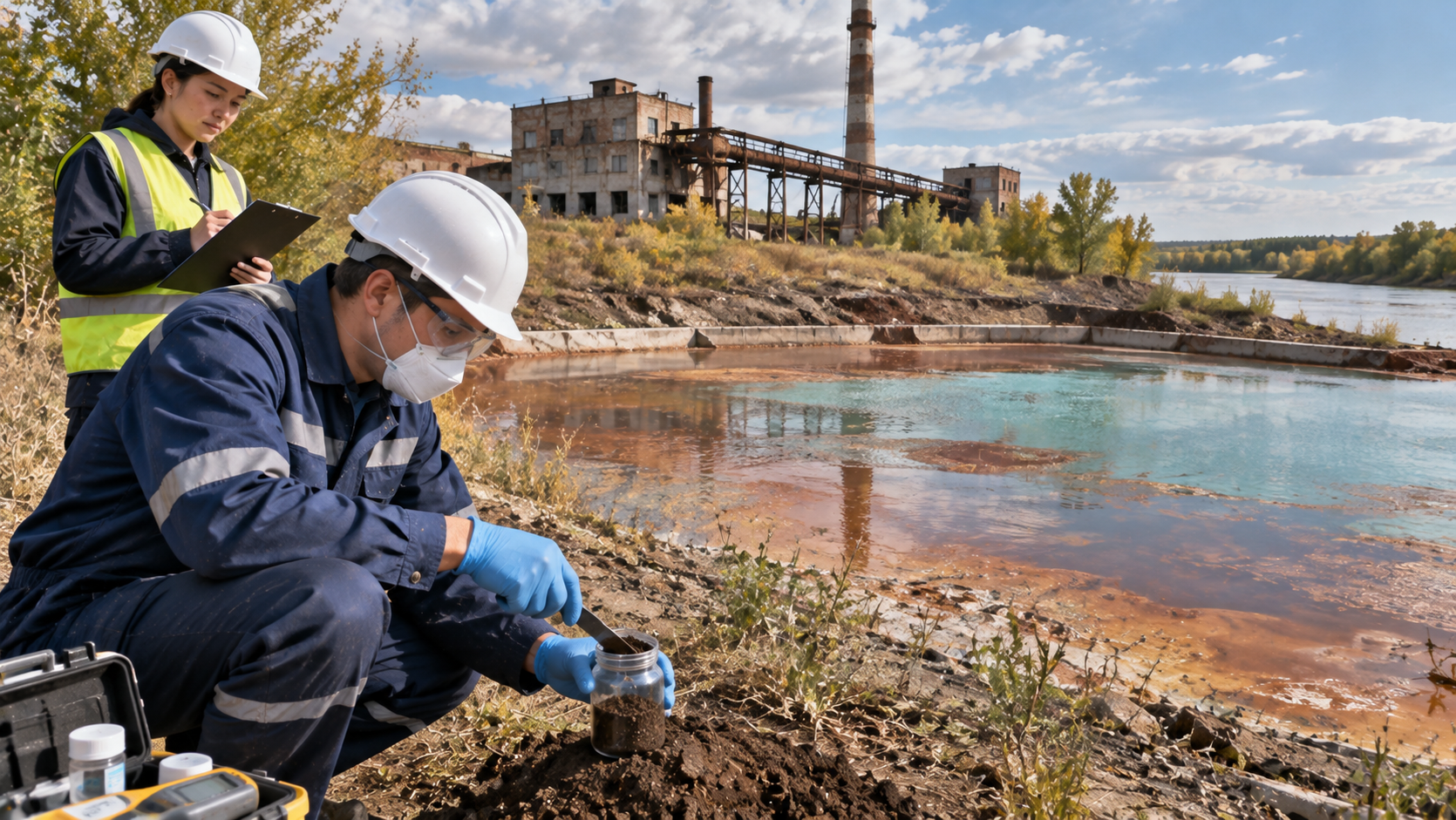
The survey results are expected in 2027, after which a decision will be made on what to do with the storage facility, reports Inbusiness.kz.
The essence in brief
- The plant ceased operations in the 1980s, and its wastewater storage facility remains in the water protection zone of the Tobol River within the city limits.
- In the soil near the storage facility, exceedances of maximum permissible concentrations (MPC) for copper have been recorded, while the impact on the river's water quality, according to the environmental problems register, has not been traced since 2017.
- 20 million tenge was allocated for the survey, with results expected in 2027.
- If contamination is not confirmed, the problem will be removed from the regional register; if confirmed, funds will be needed for conservation or waste extraction.
What is known about the storage facility
The storage facility is included in the register of environmental problems of the Kostanay region, which was published by the regional department of natural resources. As of January 23, 2025, it lists the industrial wastewater storage facility of the former copper-ammonia production plant within Kostanay, in the water protection zone of the Tobol River. The plant was shut down in the 1980s. At the location of the storage facility, exceedances of the MPC for copper have been recorded in the soil.
According to the register, the facility's impact on water quality in the Tobol River has not been traced since 2017, and the elevated content of manganese and iron throughout the river is of a natural background nature. State monitoring of copper in the river is conducted by the regional ecology department. The proposal in the register is to organize continuous monitoring of the storage facility's impact on groundwater and surface water.
How the survey is proceeding
According to specialists cited by Inbusiness.kz, the survey project started in 2015, but the contractor turned out to be unscrupulous, and the matter went to court, which concluded in 2023. The budget commission approved financing in 2025, and 20 million tenge was allocated for the project.
During drilling, according to the material, washing was abandoned, the soil was transported to the laboratory without storage on the bank, and the wells were sealed. Near the storage facility are sewage treatment facilities, and the land is not officially in use.
What will be decided based on the results
The final survey results are expected in 2027. If there is no contamination, the problem will be removed from the regional register. If contamination is confirmed, funds will be needed for conservation or waste extraction, which, according to specialists' estimates, could cost hundreds of millions of tenge. Specialists allow that copper could have been washed away or seeped into the soil, but for now this is only an assumption.
Other environmental problems in the regions of Kazakhstan
Near Pavlodar, the protective wall around the mercury lake Bylykldak, a wastewater storage facility of the former Khimprom plant, is leaking, according to ecologist Yuri Pavlenko, and mercury along with water is moving toward the Irtysh River. In the Mangistau region, the ecology department, at the request of a deputy, detected the discharge of untreated wastewater into the soil at the Dolinnoye field and fined the subsoil user 1,200 MCI. In Ust-Kamenogorsk, ecologists detected exceedances of emission standards at the metallurgical site of Kaztsink due to improper operation of gas treatment facilities, and employees of the ecology department of the Pavlodar region were not allowed into Ekibastuz GRES-1 after residents complained about ash. In 2025, each resident of the Pavlodar region accounted for 882.1 kg of emissions from stationary sources, the highest in the country.
Author's conclusion
The Kostanay case shows how long it takes to resolve the issue of wastewater storage facilities from closed plants: the survey project began in 2015, but financing was approved only in 2025. Until 2027, the question of whether there is a risk to the Tobol River remains open, and the costs of conservation or waste extraction, if contamination is confirmed, will significantly exceed the 20 million tenge allocated for the survey.


Comments ()