The UK is changing its approach to supporting farmers.
UK authorities announced £290 million for an upgraded agricultural support system.
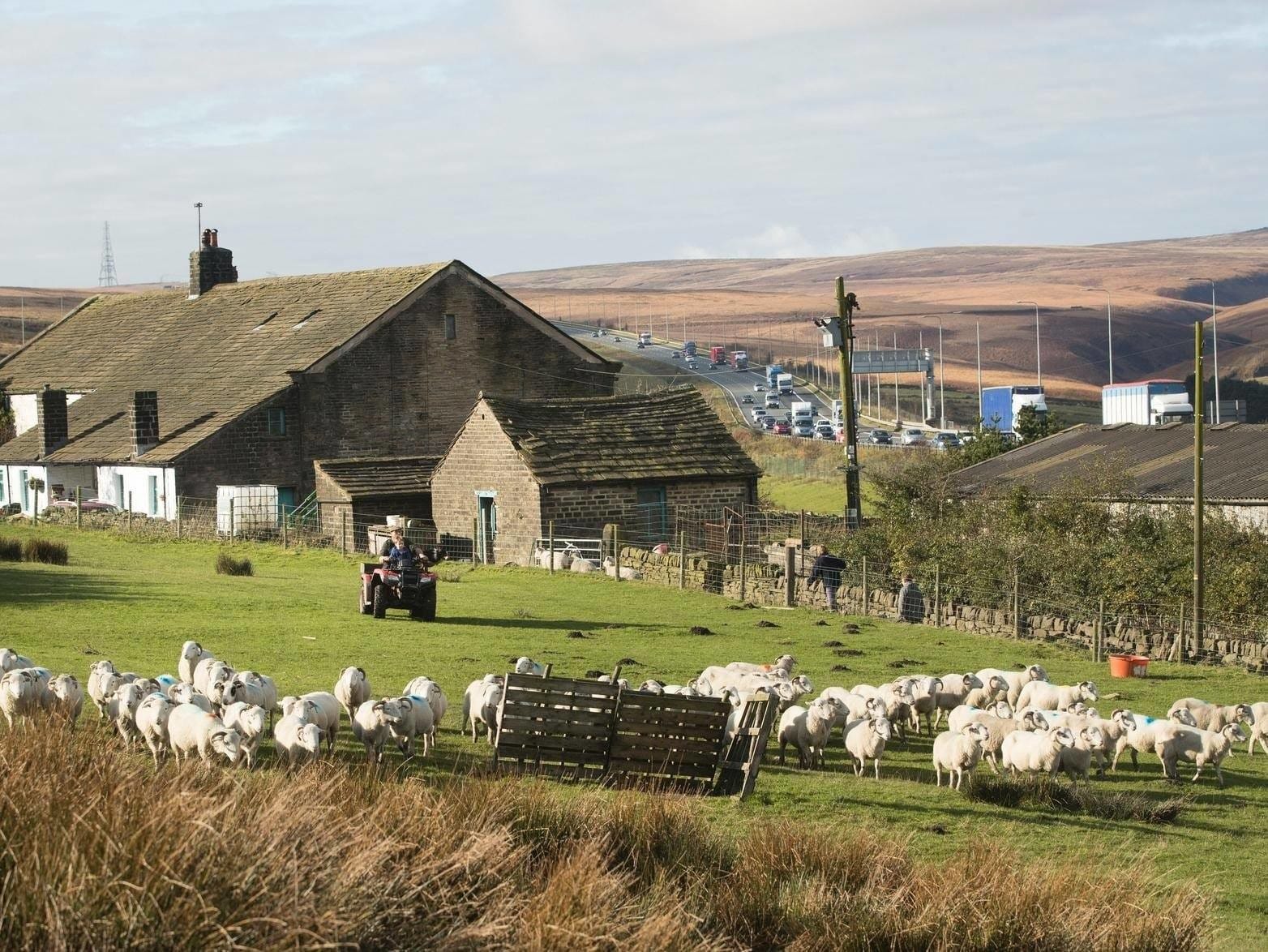
The new Sustainable Farming Incentive (SFI26) program is designed to make subsidy distribution fairer, support family farms, and simultaneously stimulate environmentally sustainable production. For Kazakhstan, this experience is of interest as an example of transitioning from traditional subsidies to financing specific results in soil, water, and land productivity conservation.
The Gist
• The UK will allocate £290 million to new farmer support programs.
• Of this, £240 million is allocated for the Sustainable Farming Incentive 2026, and at least another £50 million for environmental projects.
• Authorities have capped the maximum support at £100,000 per farm per year to ensure more farmers receive funding.
• Subsidies will be paid for improving soil health, water quality, biodiversity, and the sustainability of agricultural production.
Subsidies Become a Tool for Sustainable Development
The new UK SFI26 program was developed following criticism of the previous funding distribution system. According to government data, about a quarter of the funding previously went to just 4% of farms, raising questions about the fairness of budget support distribution. Now, authorities aim to focus on family farms and small producers.
The program provides payments to farmers for practical measures to improve land conditions. This includes increasing soil fertility, conserving water resources, supporting biodiversity, and reducing the environmental burden on agricultural landscapes. At the same time, authorities emphasize that environmental measures must be combined with maintaining food production.
Support Will Be Distributed More Evenly
One of the main innovations is the funding limit. Now, a single agricultural enterprise can receive no more than £100,000 per year and can only enter into one agreement under the SFI26 program. This approach is intended to prevent the concentration of state support in the hands of large agriholdings and expand access to financing for small and medium-sized agribusinesses.
Furthermore, most agreements will be concluded for a period of three years, which should provide producers with greater predictability when planning investments and production activities.
Europe Increasingly Pays Not for Production Volumes
The UK reform reflects a broader trend observed in Europe after abandoning some previous support mechanisms. Subsidies are increasingly tied not to land area or production volumes, but to achieving specific environmental results.
Among the encouraged practices are reducing the use of synthetic fertilizers, implementing soil conservation technologies, improving water quality, and measures to increase farm resilience to climate risks. According to UK authorities, such tools simultaneously allow for supporting farmers' incomes and reducing the agricultural sector's dependence on external shocks.
What Could Be Useful for Kazakhstan
For Kazakhstan, the British experience is interesting not so much for the amount of funding, but for the principle of fund distribution. The country continues to debate the effectiveness of agricultural subsidies, the accessibility of support for small farms, and the efficiency of budget expenditures.
Against the backdrop of growing climate risks, issues of preserving soil fertility, water conservation, and production sustainability are becoming increasingly relevant. Therefore, global practice is gradually shifting from simply subsidizing costs to financing technologies and management solutions that yield long-term benefits for agriculture.
Author's Conclusion
The reform of the UK farmer support system shows that state aid is increasingly seen as a tool for modernizing the industry, rather than just compensating costs. Supporting soil fertility, water quality, and farm resilience is becoming as much a priority as food production. For Kazakhstan, this experience is important in the context of finding more effective mechanisms for subsidizing the agricultural sector, especially in the face of climate change and growing pressure on natural resources.
Comments ()