UK returns final batch of nuclear waste to Germany
The UK has concluded a major environmental and logistical operation that lasted over a decade.
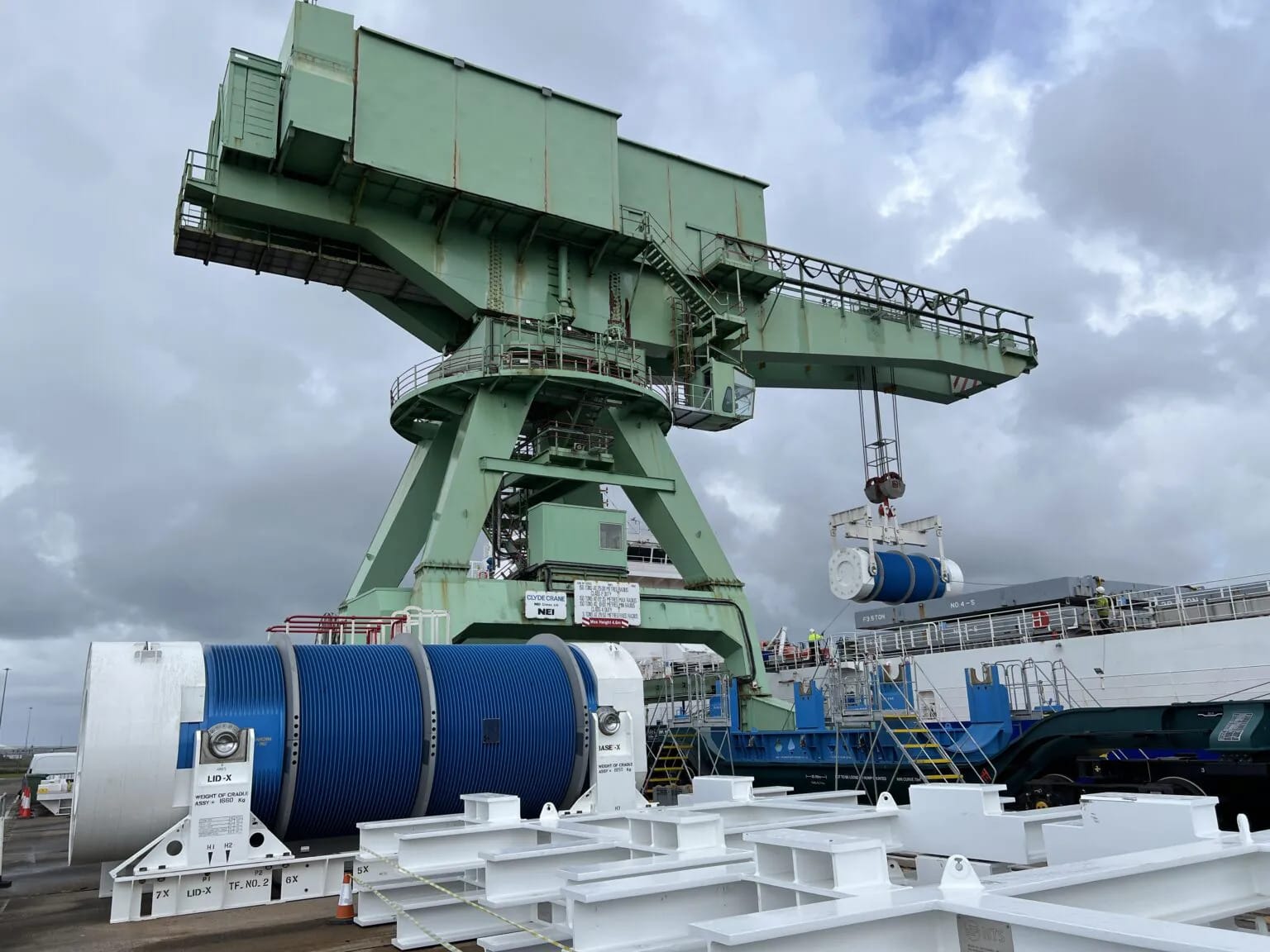
The company Nuclear Transport Solutions (NTS) has made the final delivery of high-level vitrified waste from Sellafield to Germany, reports the publication Atomic Energy 2.0. For Central Asia, this case is of practical interest: it demonstrates standards for the safe handling of spent fuel and the possibilities of cross-border logistics for heavy cargo.
In Brief
•Seven containers, each weighing over 100 tons, have been returned to Germany as part of the Sellafield foreign fuel reprocessing program.
•The operation involved complex rail logistics to the port of Barrow and maritime transport via the vessel PNTL Pacific Grebe.
•Since 2009, the UK has returned approximately three-quarters of the planned 1800 containers to its partners.
•The vitrification technology converts waste into a stable glass-like mass encased in stainless steel.
Large-Scale Intergovernmental Coordination
The final batch is the result of decades of accumulated UK experience in the safe return of materials to their country of origin. Seven massive containers were transported by rail from the British Sellafield nuclear complex to the port city of Barrow. There, the cargo was loaded onto the specialized vessel PNTL Pacific Grebe for shipment to Germany. To achieve this, the organizers used three special rail services with wagons of a unique design. Each container was lifted and loaded on board using a high-capacity port crane.
The mission's success required extensive coordination between the two countries' governments and obtaining all necessary permits at the federal level. The waste is a legacy of the Sellafield program for reprocessing foreign nuclear fuel, which was fully completed back in 2018.
In accordance with long-standing contractual obligations, these materials were subject to unconditional return to the owner — German energy companies that had previously used this fuel to generate electricity. At the Sellafield site, the material underwent a vitrification process, turning into a stable glass-like mass placed inside protective shells.
Technological Sovereignty and Storage Safety
The handover to the carriers was accompanied by strict compliance with regulatory requirements. Before shipment, specialists from Sellafield Ltd placed each container in special transport equipment and organized its movement within the secure site. The safety of the route was ensured by the NDA (Nuclear Decommissioning Authority) group and contractors at every stage of the journey.
David Peattie, CEO of the NDA, emphasized the significance of the event: "This is an important moment for our mission. We are fulfilling the commitment to return this waste, reducing the UK's long-term nuclear liabilities and delivering on the government's policy objectives."
NTS Co-Chair Ben Whittard added that the completion of the German program demonstrates the company's high level of competence: "The completion of the German vitrified waste return program shows how we deliver the NDA mission and ensure the safe transport of nuclear materials around the world for their long-term storage."
Significance for the Global Nuclear Energy Market
The return of vitrified residues is a key element of the strategy of the UK's Nuclear Decommissioning Authority. Such operations are carried out jointly with Orano-NCS and the German side (GNS). This partnership combines global nuclear expertise to ensure safety. In addition to Germany, the British authority has active contracts for the return of high-level waste to Japan and Italy, confirming London's status as a reliable international partner.
Significance for Kazakhstan
For Kazakhstan, which is developing its own nuclear industry and considering the construction of a nuclear power plant, the British example is important in terms of forming a full-cycle culture. Understanding how the issue of returning spent nuclear fuel or disposing of final reprocessing products is resolved is necessary when designing national infrastructure. Furthermore, the demonstrated technologies for ultra-heavy rail and maritime logistics could be studied by domestic operators of Kazakhstan Railways and the seaports of Aktau or Kuryk to develop their own transit capabilities.
Author's Conclusion
This program not only reduces the environmental burden on the territory of the UK but also strengthens trust between the participating countries of the peaceful atom. It clearly demonstrates that even the most dangerous by-products of nuclear generation can be fully controlled, accounted for, and safely transported back to the site of primary energy consumption.

Comments ()