32 million mosquitoes wants to release the company Google in the USA
Alphabet, Google's parent, asked the US EPA to release 32 million sterile male mosquitoes in California and Florida.
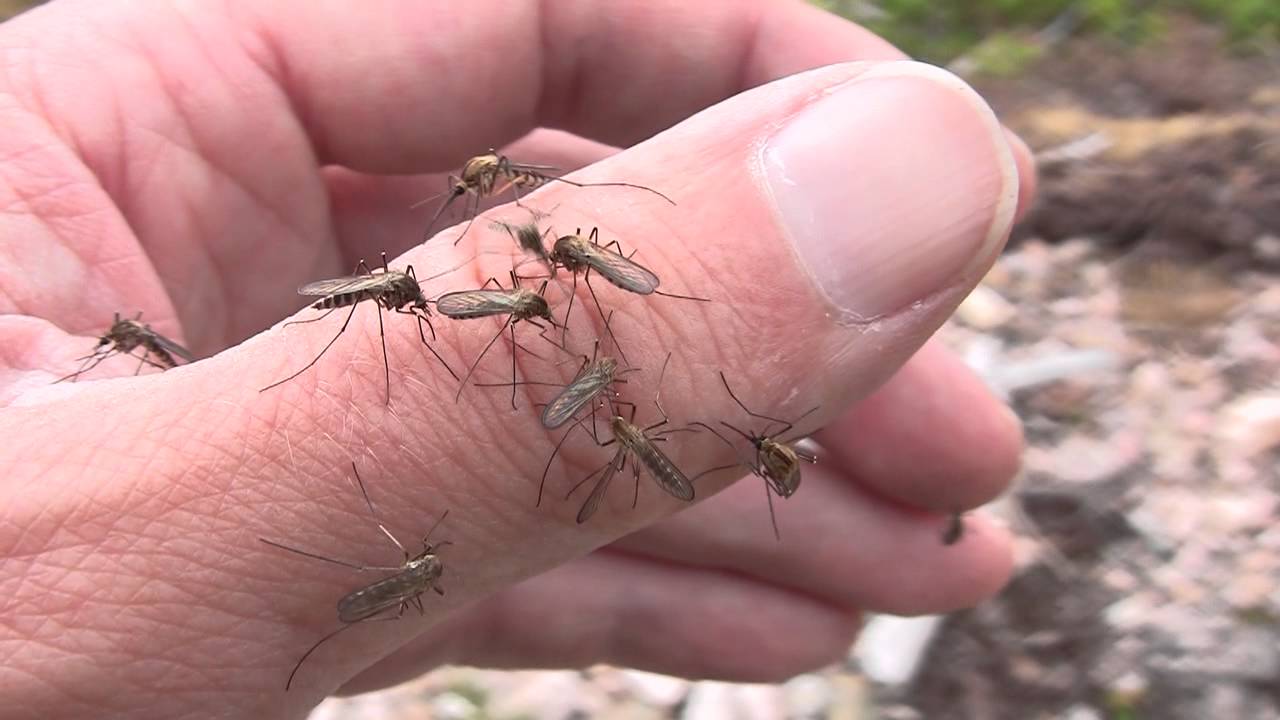
As part of the Debug program, Google has requested the release of a batch of biotreated mosquitoes. As reported by Smithsonian magazine, the goal is to suppress the population of Aedes aegypti, a carrier of dengue fever, the Zika virus, and yellow fever. The technology has already shown results in Singapore: reducing the target species population by 80–90%. For Kazakhstan, where the range of dangerous mosquitoes is expanding as the climate warms, this experiment is not a distant story.
The gist of it
- Alphabet's Debug program is requesting permission to release 32 million sterilized male Aedes aegypti mosquitoes in two US states. Males do not bite and do not carry diseases.
- The mosquitoes are infected with the Wolbachia bacterium, which renders them sterile. When they mate with "wild" females, the eggs are not fertilized — the population declines without chemicals.
- The method is not new: the sterile insect technique has been used worldwide for over 60 years to combat fruit flies, moths, and other pests. In 2017, Debug already conducted a pilot in California.
- In Singapore, the project supported by Debug achieved a suppression of the Aedes aegypti population by 80–90% and a reduction in dengue cases by over 70% within 6–12 months of releases.
- The US Environmental Protection Agency is reviewing the application; the public comment period ended June 5, 2026.
Why 32 million mosquitoes is not an apocalypse
The idea of releasing tens of millions of insects in residential areas sounds frightening. In reality, we are talking exclusively about males — and male mosquitoes do not bite or carry diseases. Their only function is mating.
The principle is simple: the males are infected with the natural Wolbachia bacterium, which makes them sterile. When they mate with a "wild" female, the eggs are not fertilized — and over time, the population of dangerous mosquitoes declines. No genetic modifications, no chemicals. Only biological competition.
Not the first experiment and not the first success
The sterile insect technique has been used in the US for over 60 years and has already proven effective against fruit flies, parasitic worms, and moths. Debug is not a pioneer of the method, but its technological scaler: the company has developed robotic systems for sorting and releasing insects capable of processing millions of individuals per day.
In Singapore, Debug has supported the national Wolbachia project since 2018. According to data from May 2026, the project has achieved a suppression of the Aedes aegypti population by 80–90% and a reduction in dengue incidence by over 70% within 6–12 months after the start of releases.
The ecological argument is also important: Aedes aegypti is not a native species to either California or Florida, so no animal depends on it as a food source. Targeted suppression of this species does not create cascading ecological consequences.
The ethical question remains open
Not all experts share the enthusiasm. Stanford professor and bioethicist Henry Greely pointed out back in 2016: if we are talking about the intentional eradication of a species, it requires public consensus and serious consideration of the consequences.
The counterargument is also weighty: neurogeneticist Matthew DeGennaro from Florida International University reminds us that it was humans who spread Aedes aegypti around the world — and therefore bear responsibility for controlling this species.
Kazakhstan context
Kazakhstan is not within the range of Aedes aegypti — yet. However, climate warming is gradually shifting the boundaries of heat-loving species northward. Already today, in the south of the country — in the Turkestan and Kyzylorda regions — an increase in the number of other mosquito species carrying West Nile fever is being recorded, cases of which are registered annually in Kazakhstan.
It is worth noting that back in 2019, agricultural expert Kirill Pavlov proposed using this method in Kazakhstan. Unfortunately, the proposal was not heard or supported.
The Wolbachia technology is used worldwide not only against Aedes aegypti but also against other mosquito vectors. Kazakhstan's veterinary and sanitary services should monitor the results of the American experiment — not as distant news, but as a potential tool for their own tasks.
Author's conclusion
Google is releasing mosquitoes not against people, but for them. The method of biological suppression of disease vectors is one of the few that does not require chemicals and does not create resistance. If the American experiment confirms the Singaporean results, the world will gain a scalable tool against one of humanity's main killers. And mosquitoes will have their first truly technological competitors.
#ecology #technology #health #science #biotechnology
#agriculture #irrigation #investments #waterconservation #localization #agriculture



Comments ()