$50 Billion Canal: Why Africa Cannot Save Lake Chad
Africa has spent 40 years trying to realize a $50 billion project to restore a lake that has lost 90% of its area.
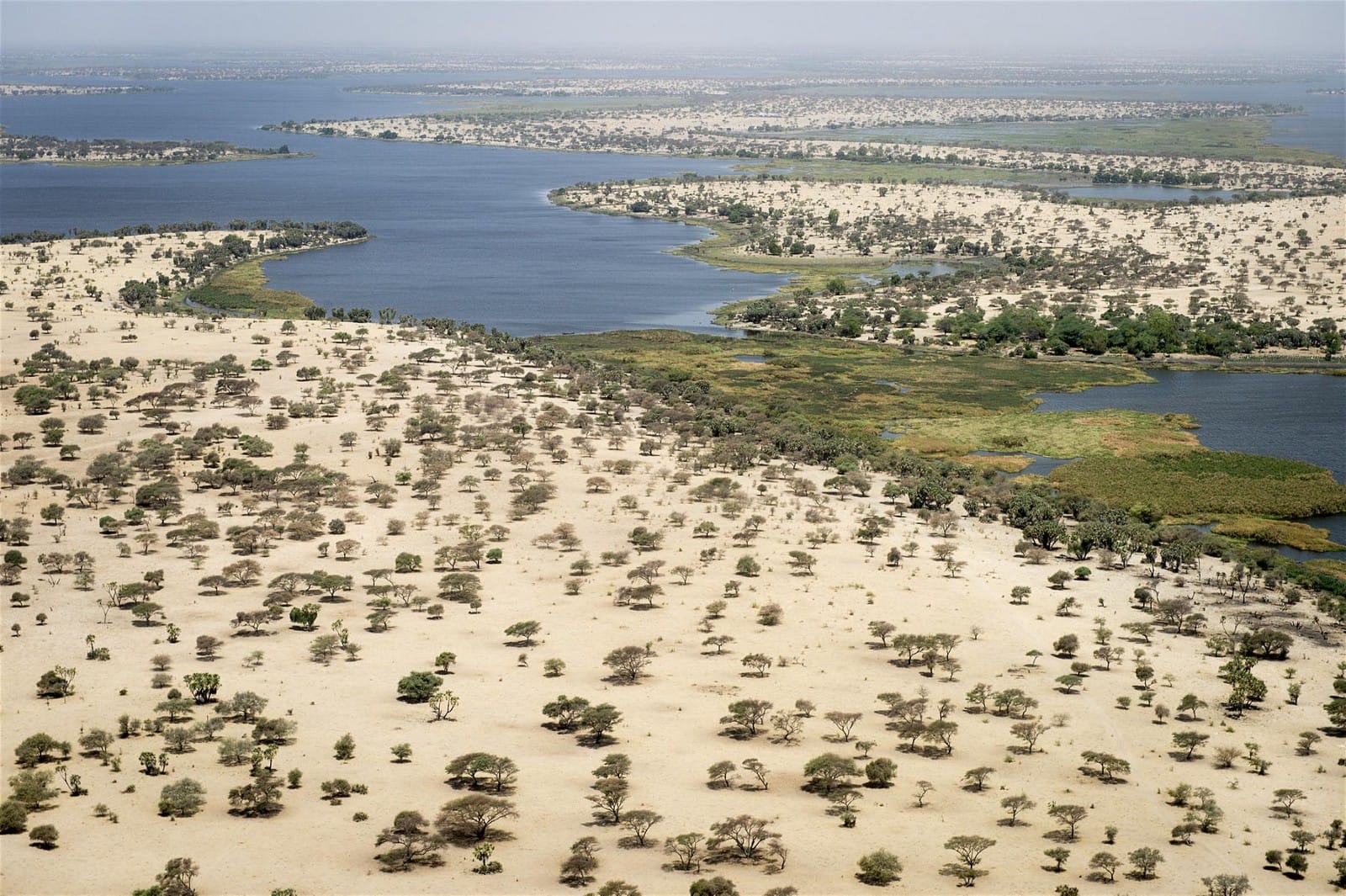
In 1963, the area of Lake Chad was about 25,000 sq km. Today, it is estimated at just 1,300–2,000 sq km. The reasons include climate change, reduced rainfall, and growing water consumption.
For the region, this is not only an environmental problem. Around 40 million people live near the lake, many of whom depend on fishing and subsistence agriculture. The shrinking of the water body has led to population migration, increased poverty, and heightened social tensions.
In a Nutshell
• About 40 million people depend on Lake Chad, which is rapidly disappearing.
• One of the world's most ambitious hydraulic engineering projects, Transaqua, has been developed to restore the lake.
• The project involves building a 2,400-kilometer canal from the tributaries of the Congo River.
• Its cost is estimated at 50 billion dollars.
• Despite decades of discussion and international support, the project has not yet moved beyond the planning stage.
What is the Transaqua Project?
The project was developed by the Italian company Bonifica in the 1980s, although the idea of diverting water from the Congo Basin was discussed as early as the 1920s.
According to the plan, it involves building a canal approximately 2,400 kilometers long, which would divert part of the Congo River's flow through the Central African Republic into the Chari River basin, the main source of water for Lake Chad.
The project's authors claim the canal would not only restore the lake but also create new irrigated lands, hydropower capacity, and a transport corridor for Central African countries.
Why Has the Project Not Been Implemented Yet?
Despite support from eight states and the involvement of the Chinese corporation PowerChina, the project has not moved beyond preliminary discussions.
The main obstacle remains the position of the Democratic Republic of the Congo. The water source is located on its territory, but the country's authorities have repeatedly expressed dissatisfaction that their interests are not sufficiently taken into account. Additional questions arise from the fact that a significant portion of Congo's population still lacks access to clean drinking water.
Environmental concerns are equally serious. Some scientists believe that even a partial diversion of water could negatively impact one of the world's largest tropical forest ecosystems.
When Water Becomes a Geopolitical Issue
The history of Transaqua shows that transboundary water projects rarely remain purely engineering solutions. As soon as the redistribution of water resources between countries is discussed, issues of sovereignty, ecology, financing, and equitable distribution of benefits arise.
This is why, four decades later, the 50 billion dollar project remains on paper, despite the region's obvious need for additional water resources.
Why This Matters for Kazakhstan
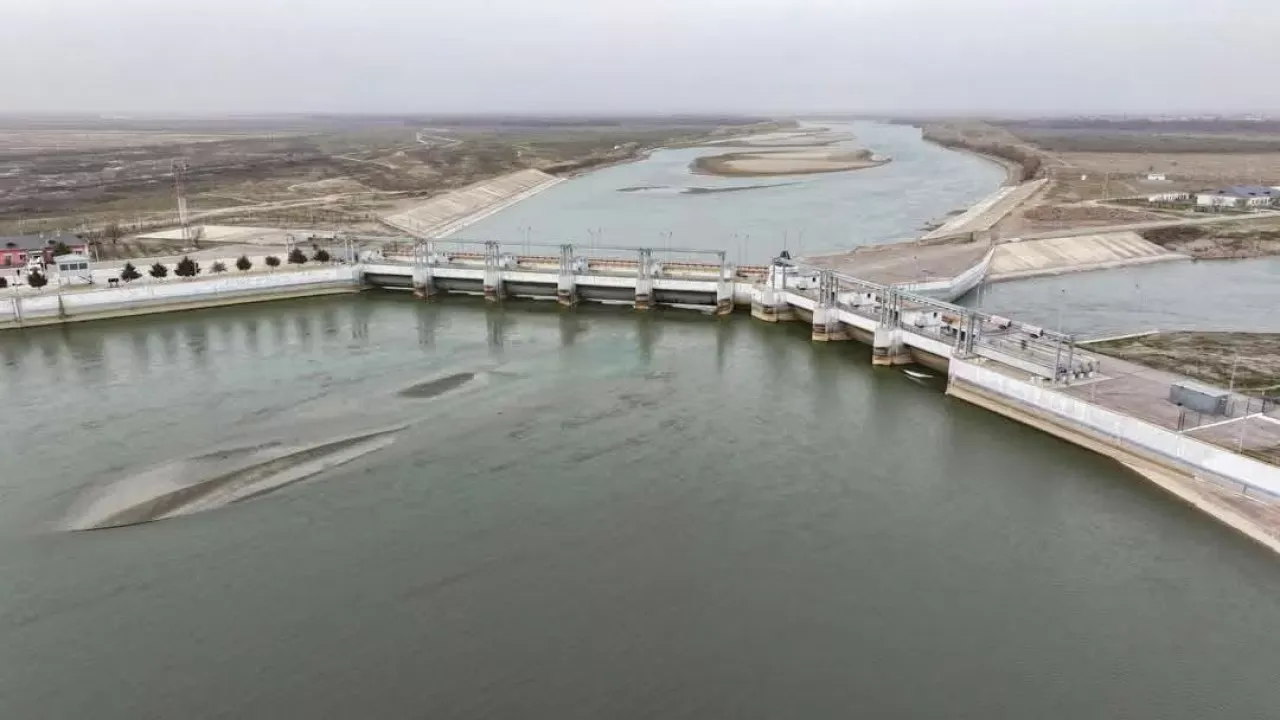
The situation around Lake Chad illustrates a problem faced by many arid regions of the world, including Central Asia. Issues of water distribution between states are becoming increasingly sensitive against the backdrop of climate change and growing consumption.
For Kazakhstan, the story of Transaqua serves as a reminder that managing transboundary water resources requires not only engineering solutions but also long-term international cooperation. Even the most ambitious projects can remain unrealized for decades if neighboring countries cannot agree on the rules for using a shared water resource.
Author's Conclusion
The project has become a symbol of how complex solving the water crisis can be in the 21st century. On one hand, it has the potential to change the lives of millions of people and bring water back to the nearly vanished Lake Chad. On the other hand, its implementation requires the consent of states, enormous investments, and a response to environmental risks. The project's history shows that in the modern world, water is increasingly becoming not just a natural resource, but also a factor in international politics and security.
Comments ()