At least 150,000 tonnes of uranium will be reserved for Kazakhstan's future nuclear power plants by 2050
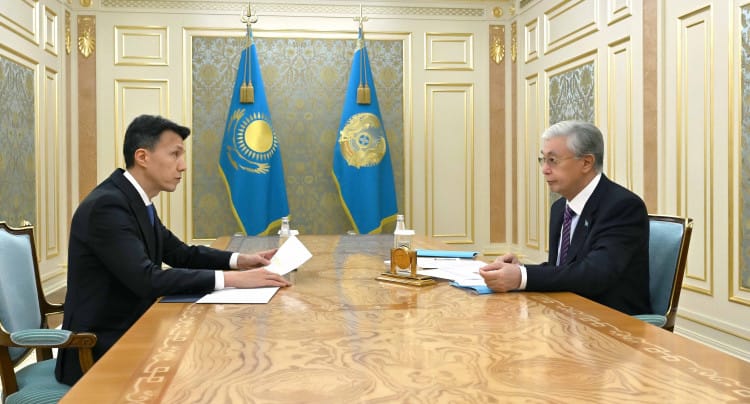
Kazakhstan plans to reserve at least 150,000 tonnes of uranium by 2050 to fuel future nuclear power plants, said Almasadam Satkaliyev, head of the Nuclear Energy Agency, at a Kurultai committee meeting on economic policy, industry and energy.
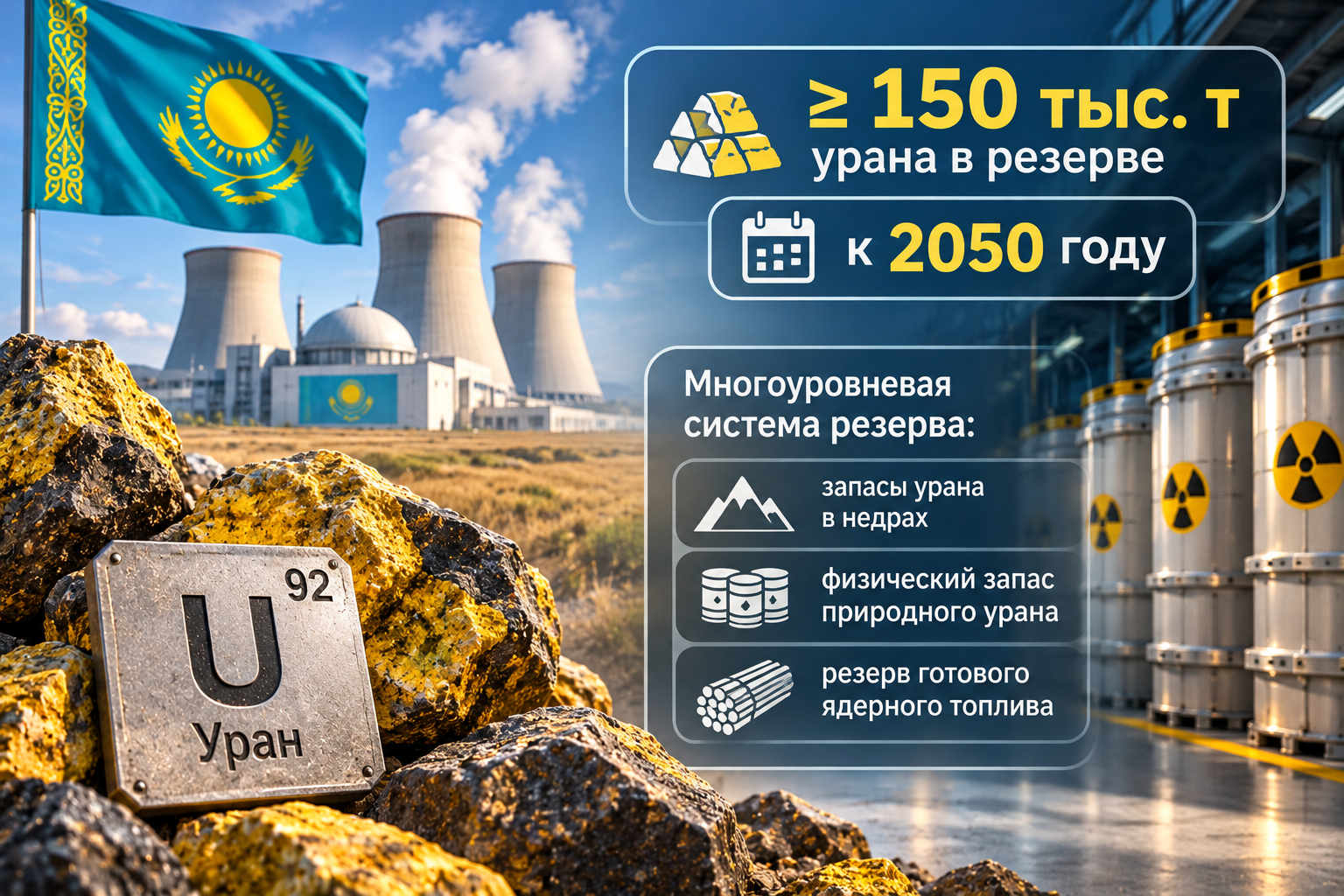
Such a reserve is envisaged by the Strategy for the Development of the Nuclear Industry until 2050, and the mechanisms for its creation are still being worked out, reports Informburo.kz.
The gist in brief
- Reserving at least 150,000 t of uranium by 2050 is envisaged by the Strategy for the Development of the Nuclear Industry.
- The reserve is conceived as a multi-level system: uranium reserves in the subsoil, a physical stock of natural uranium, and a reserve of finished nuclear fuel.
- The mechanisms, stages, and operator of the reserve have not yet been determined.
- In his Address, the President called the proposal for a strategic uranium reserve worthy of serious consideration: it would cover the needs of nuclear power plants for the coming century.
What they plan to create
Satkaliev said that the Strategy for the Development of the Nuclear Industry until 2050 envisages the formation and approval of conceptual approaches to creating a strategic uranium reserve. According to him, the issue of creating a state strategic reserve is currently being worked out, and the approaches are being determined taking into account the long-term needs of nuclear power. The goal is to provide fuel for future nuclear power plants.
How the reserve will be structured
The agency describes the reserve as a multi-level and comprehensive system covering the entire nuclear fuel supply chain. It will include the reservation of uranium reserves in the subsoil, a physical stock of natural uranium, a reserve of finished nuclear fuel, and other mechanisms. Which of them will be the main ones, how much each level will cost, and who will store the reserves is not stated in the reports about the meeting.
What the President said
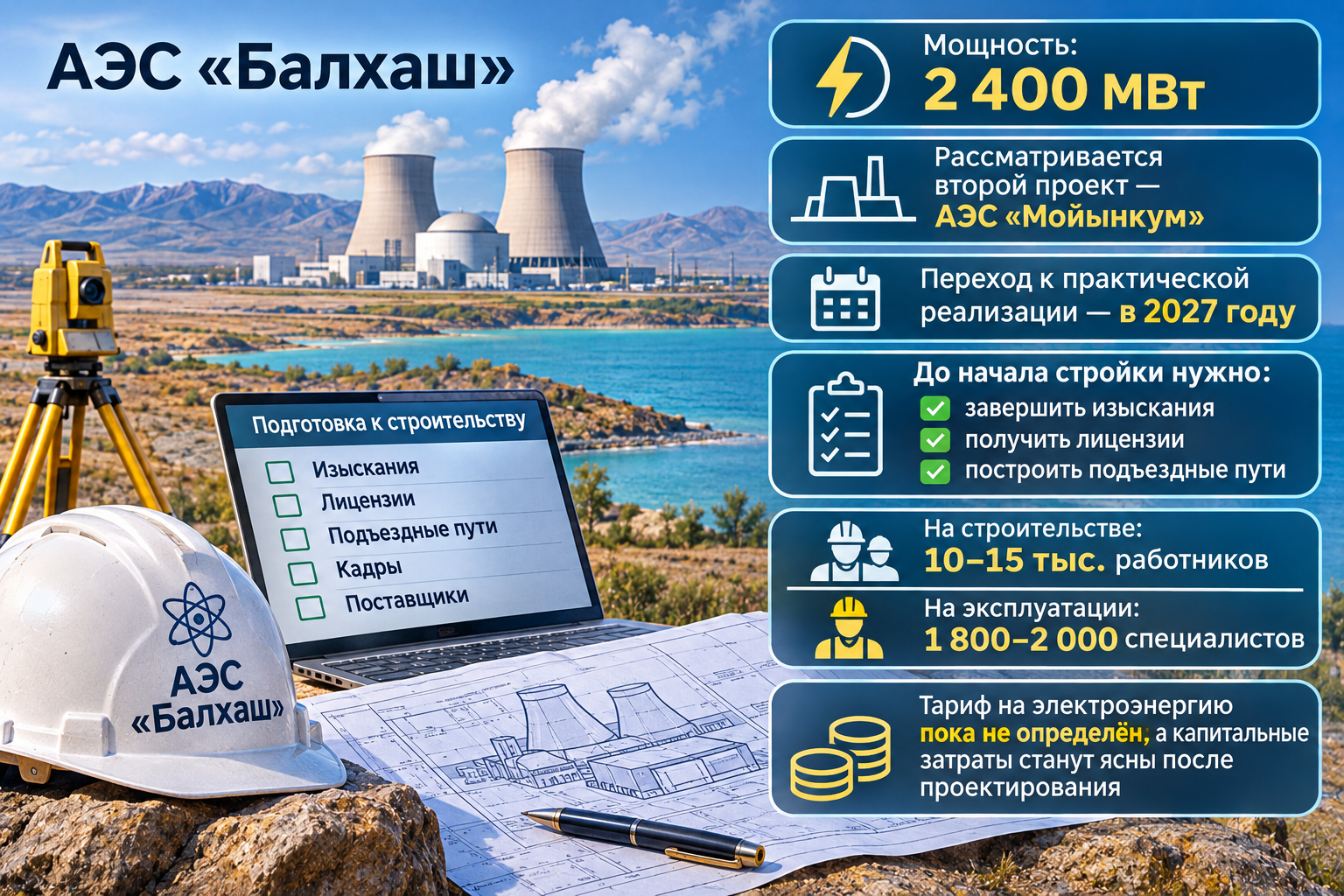
In his Address to the people of Kazakhstan, Kassym-Jomart Tokayev noted that it is necessary to think about how to supply nuclear power plants with uranium raw materials "in fifty years and beyond." He called "the proposal to create a state strategic reserve of uranium worthy of serious consideration," which would cover the needs of Kazakhstan's nuclear power plants for the coming century. In addition, the President considered it possible to begin construction of the "Balkhash" nuclear power plant next year and to sign an agreement on comprehensive cooperation for the earliest possible start of construction of the "Moyinkum" nuclear power plant.
Why approaches to subsoil use are changing
Satkaliev said that the agency is changing its approaches to uranium subsoil use. "Uranium is not just a raw material but a strategic reserve for the future development of the country's economy," he said. What exactly changes are being prepared is not specified in the published materials.
What else is happening with uranium in Kazakhstan
The country already stores an international reserve, but it has nothing to do with the future national reserve. The IAEA Low Enriched Uranium Bank has been operating in Ust-Kamenogorsk on the territory of the Ulba Metallurgical Plant since 2017. It can store up to 90 t of uranium in the form of hexafluoride with enrichment not exceeding 4.95%. The stock belongs to the IAEA and is intended for emergency supplies to member states, and Kazakhstan cannot dispose of it at its own discretion.
A separate issue is extraction itself. According to hunn.kz, Kazatomprom, together with affiliated enterprises, produced 13,291 t of U3O8 in the first half of 2026, and 27.5-29 thousand t is planned for the whole year. The country remains the largest uranium producer, but it is getting a competitor: Canada's NexGen Energy is building the Rook I mine at the Arrow deposit in Saskatchewan, which should produce about 11,500 t of uranium per year.
Author's conclusion
The news is not about a decision but about a guideline: the figure of 150,000 t and the deadline of 2050 are in the Strategy, but there is no way to create the reserve yet. The President only called the idea worthy of serious consideration, and the agency says the issue is being worked out. The main open question is in what form this stock will be stored. Uranium in the subsoil, a physical stock, and finished fuel cost differently and affect the plans of mining companies differently, so the choice will determine whether the reserve will be a real stock or a paper obligation. For now, the operator, stages, and cost have not been named, so this cannot be assessed.
Comments ()