Canada prepares to start natural hydrogen extraction: project could transform global energy
Canada launches a project hailed as a potential breakthrough for global energy. MAX Power prepares to drill the first wells at Lawson, the country's first explored natural hydrogen deposit.
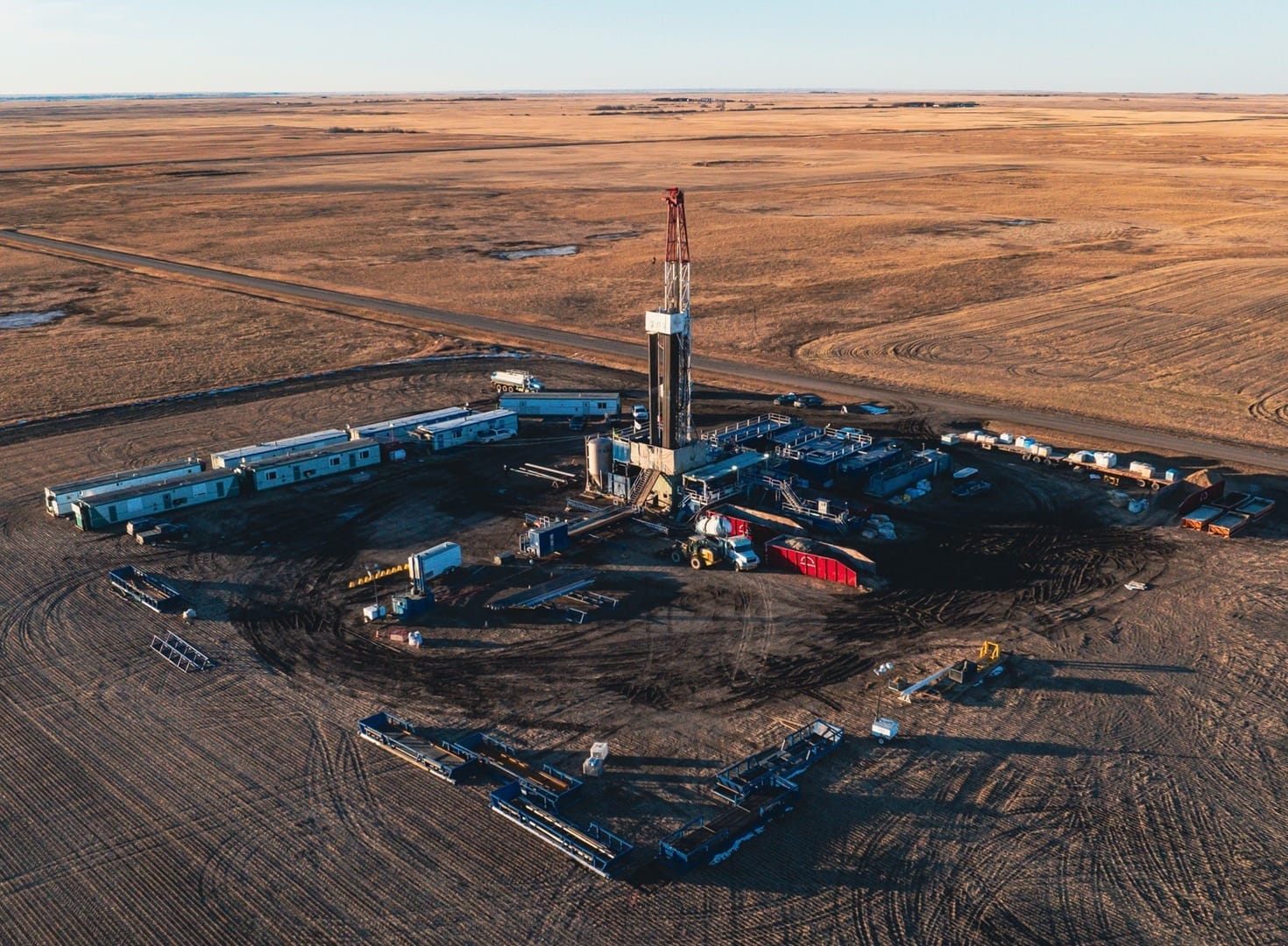
If the project confirms the industrial viability of the deposits, it will become the world's first commercial system for extracting so-called "white hydrogen" — a natural fuel that does not require energy-intensive production, ITC.ua reports.
In a Nutshell
· Drilling has begun at Canada's first natural hydrogen deposit.
· The project aims to confirm the feasibility of commercial "white hydrogen" extraction.
· Hydrogen concentrations of up to 28.6% have already been detected at the site.
· Scientists consider natural hydrogen one of the most promising sources of carbon-free energy.
· If successful, the project could change the approach to developing the global hydrogen energy sector.
Why This Event is Called Historic
Most of the hydrogen used today is produced industrially — from natural gas or water using electricity. These technologies require significant costs and are accompanied by either carbon dioxide emissions or high electricity consumption.
Natural, or "white" hydrogen, differs in that it already exists in the earth's subsurface and can be extracted similarly to natural gas. This is why interest in such deposits has been growing rapidly in recent years.
Canadian company MAX Power has completed a comprehensive set of geological studies, including high-precision 3D seismic surveys and independent reservoir modeling, and is now commencing drilling of the first exploration well.
What is Known About the Deposit
The Lawson deposit, located near the town of Central Butte in the province of Saskatchewan, has become Canada's first confirmed natural hydrogen deposit.
According to the company:
· hydrogen content reaches 28.6%;
· the prospective structure covers an area of 28 km²;
· the most promising drilling zone has an area of 14.2 km²;
· significant helium reserves have also been discovered here.
The first well will be drilled at the highest point of the deposit, where, according to geologists' calculations, the probability of obtaining a stable gas flow is highest.
The Main Goal — To Prove Commercial Extraction
The next phase of the project must answer the key question: can natural hydrogen be extracted on an industrial scale.
During the tests, specialists will assess:
· hydrogen inflow rate;
· gas flow stability;
· reservoir pressure;
· hydrogen concentration;
· potential field productivity;
· possibility of scaling up extraction.
If the results are successful, Lawson will become the world's first commercial natural hydrogen extraction system.
Why "White Hydrogen" is Generating So Much Interest
Today, hydrogen is considered one of the key elements of the future low-carbon energy sector. However, its widespread adoption is limited by the high cost of production.
If natural hydrogen extraction proves successful, the situation could change. Instead of building expensive electrolysis plants or steam methane reformers, it would become possible to obtain ready-to-use hydrogen directly from natural deposits.
This is why many experts call natural hydrogen a potentially new stage in the development of global energy. At the same time, the industry still needs to prove the economic efficiency of such projects on an industrial scale.
What This Means for Kazakhstan
Kazakhstan is actively developing its own hydrogen agenda, considering the production of "green" hydrogen as one of the promising directions for diversifying its energy sector and exports.
The emergence of technology for the commercial extraction of natural hydrogen could change the situation on the global market. If the cost of such fuel turns out to be significantly lower than the cost of hydrogen produced by electrolysis, countries will have to reconsider their long-term strategies for developing the hydrogen economy.
Author's Conclusion
Just a few years ago, natural hydrogen was perceived more as a scientific hypothesis. Today, Canada is preparing to test it in practice. If the project confirms the possibility of sustainable commercial extraction, the global energy sector will have to reconsider many of its ideas about the future of the hydrogen economy. For Kazakhstan, this means the need to closely monitor the development of this new industry: the success of such projects could change not only hydrogen production technologies but also the competitive landscape of the global energy market.



Comments ()