China ramps up climate initiatives: what it means for Central Asia
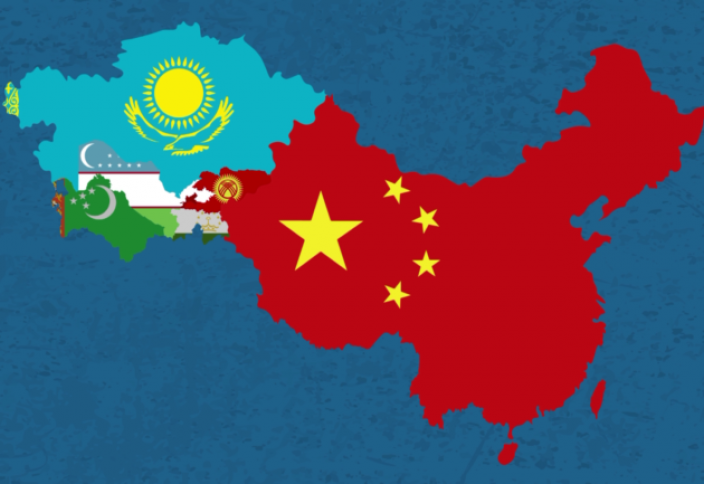
The number of global climate projects launched or managed by China has been steadily increasing since 2009. However, whether this will form the basis for full-fledged climate leadership from Beijing remains an open question, according to Dr. Song Yixian, co-author of the study and professor at the University of Bath.
In short:
-Since 2009, China has consistently increased the number of its own climate initiatives — from research programs to financial aid for countries in the Global South.
-The country is transitioning from bilateral projects to global multilateral platforms spanning more than two continents.
-The U.S. withdrawal from the Paris Agreement could strengthen the position of Chinese initiatives, but does not guarantee their transformation into full-fledged leadership.
-For Kazakhstan and Central Asia, this means growing Chinese influence in the region's climate agenda — through financing, technology, and training.
A new database of climate leadership
Dr. Sun's team compiled the "China's Global Environmental Leadership" (CGEL) database, tracking all international environmental initiatives since the 1980s that were launched or are managed by China. It includes projects created by Beijing independently, jointly with other governments, as well as those whose operations are primarily controlled by Chinese institutions.
The range of initiatives is broad: from research cooperation and South-South climate financing to high-level political signals, such as joint statements on climate change.
From bilateral projects to global platforms
According to Dr. Sun, after 2009-2010, the number of new initiatives began to grow, with a particularly noticeable surge occurring in the last five years — since 2021.
"We are observing a very clear upward trend in transnational initiatives of a global scale. This means they operate on more than two continents. China is moving from a model of bilateral engagement to a global one and is trying to project its influence at the world level," notes Song Yixian.
The impact of the U.S. withdrawal
The researcher believes that the U.S. withdrawal from the UN climate regime under the second Trump administration could help Chinese initiatives gain more support from international partners.
"Whether this will lead to the creation of new initiatives or the strengthening of existing ones remains an open question," he adds.
Is China ready for leadership
Despite objective leadership in the climate agenda and clean energy supply chains, a restrained position persists domestically.
"Leading Chinese experts say that the government and population of China are not yet ready to become a global leader. The question is whether this understanding will translate into the mindset of politicians and decision-makers," Song Yixian concludes.
What this means for Kazakhstan
For Central Asia, including Kazakhstan, the growth of Chinese climate initiatives creates both opportunities and risks. On the one hand, Beijing offers training, technology, and financing — for example, through South-South programs that already cover countries in the region. On the other hand, the strengthening of Chinese influence in the climate agenda could shift the balance of power in a region where the positions of Russia and Western donors have traditionally been strong.
Author's conclusion: China is consistently expanding its presence in the global climate architecture, but its leadership remains more functional than political. For Kazakhstan, this is a signal: the region is becoming an arena for competition among climate strategies, and it is important not to end up as a passive recipient of aid, but to build its own priorities in dialogue with Beijing.


Comments ()