Kazakhstan Pavilion at COP31 showcases projects on the Northern Aral Sea, saigas and methane
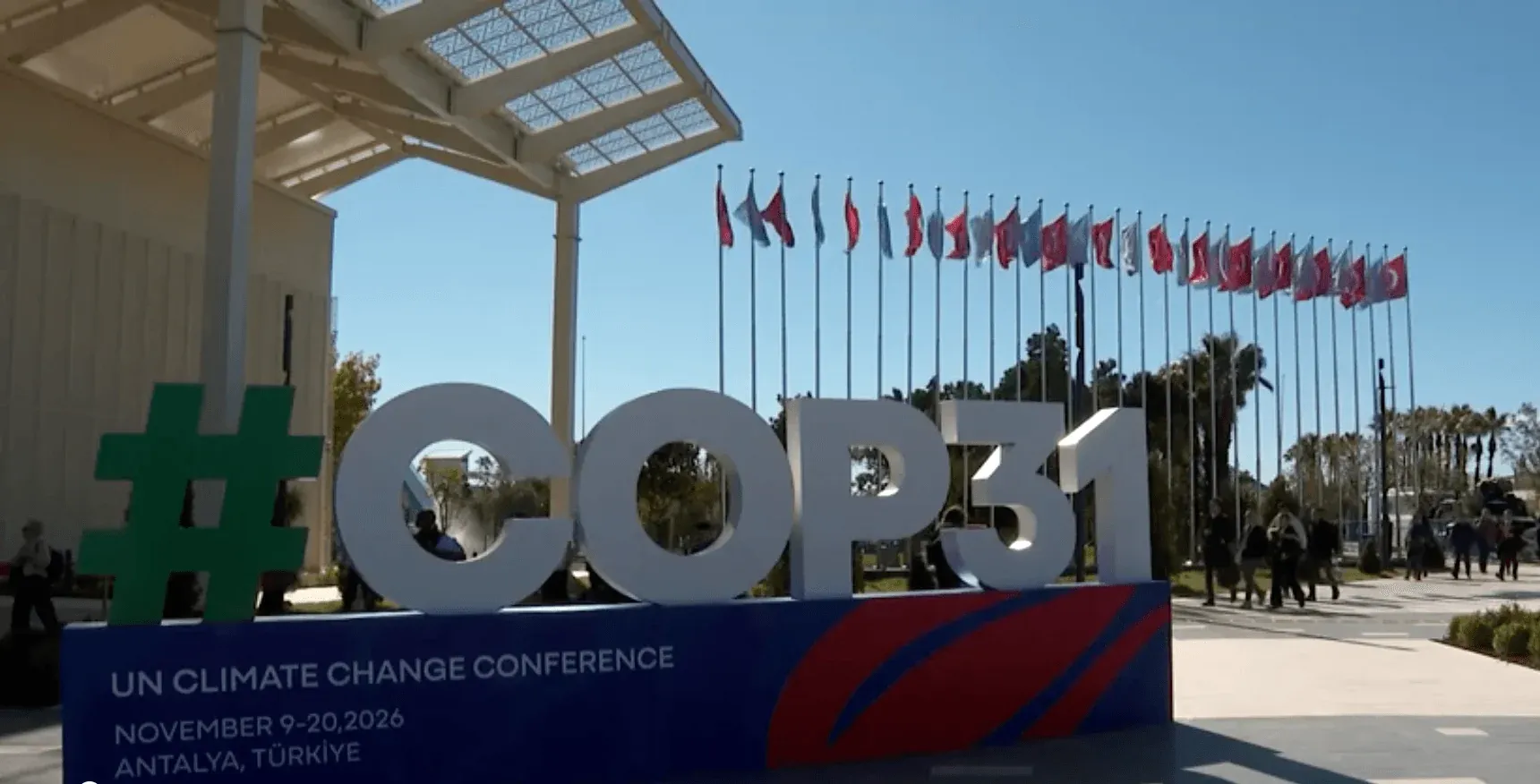
Kazakhstan opened its National Pavilion at the COP31 climate conference in Antalya, showcasing environmental projects, green technologies and investment opportunities.

The pavilion's program includes 38 thematic events, Kazinform reports.
The gist in brief
- The 250 sq. m pavilion is called "Connection of Times: Past, Present, Future"; guests are introduced to the projects by AI-based digital guides in the form of tigers Үміт and Amur.
- The exposition features projects on the return of the Turanian tiger, the restoration of the saiga antelope (from 21,000 to 4.7 million individuals), the revival of the Northern Aral Sea, and methane monitoring.
- Over two weeks, 38 events will be held at the pavilion, and the minister speaks of signing 34 documents worth over $1.2 billion.
- Among the initiatives of regional significance are the Kazakhstan Climate Investment Platform (QCIP) and the QaJET project.
What was presented at the pavilion
The opening ceremony was attended by the Chairman of the Committee on Agrarian Issues and Ecology of the Kurultai Serik Yegizbayev, Minister of Ecology and Natural Resources Alibek Kuantyrov, and Minister of Health AkmaraL Alnazarova. The 250 sq. m exposition is designed in the style of the Kazakh steppe and brings together natural heritage, traditional values, and modern technologies. Foreign guests can listen to the digital guides Үміт and Amur in various languages. Traditional art is represented by the "Құрақ көрпе" installation, which demonstrates the principles of rational resource use and waste reduction in the spirit of the Zero Waste concept.
Which projects are shown
A significant part of the exposition is devoted to biodiversity and ecosystem restoration. These include the return of the Turanian tiger to the wild in the "Ile-Balkhash" reserve, the restoration of the saiga antelope, whose population has grown from 21,000 to 4.7 million individuals, the revival of the Northern Aral Sea, and the creation of saxaul forests on the dried seabed.
In the green technology section are the regional phytomelioration program "Green Shield of Central Asia," the KazMethane MRV digital platform for monitoring emissions and detecting methane leaks, industrial waste recycling, and the introduction of best available technologies at enterprises. According to 24.kz, lithium-ion battery recycling and a tire recycling model that produces 18 product types are also on display.
What is in the pavilion's program
The agenda includes climate finance, industrial decarbonization, the energy transition, the carbon market under the Paris Agreement, water security, biodiversity conservation, and innovative technologies. A separate place is given to initiatives of regional significance: QCIP, the QaJET project, the restoration of the Northern Aral Sea, preservation of the Caspian Sea ecosystem, combating desertification, and the development of renewable energy.
Kuantyrov stated that Kazakhstan views COP31 as an opportunity to move from discussing climate commitments to implementing concrete projects and measurable results. According to him, as reported by 24.kz, over two weeks 38 events will be held at the pavilion, and the signing of 34 documents worth over $1.2 billion concerns wind energy, the carbon services market, and quota trading. Alnazarova spoke about joint research with the WHO and Ghent University on the impact of climate on health; based on their results, eco-protocols with recommendations for patients and doctors are being developed.
What is happening with Kazakhstan's climate agenda
The Hunn.kz editorial team follows the country's climate projects and the restoration of the Northern Aral Sea.
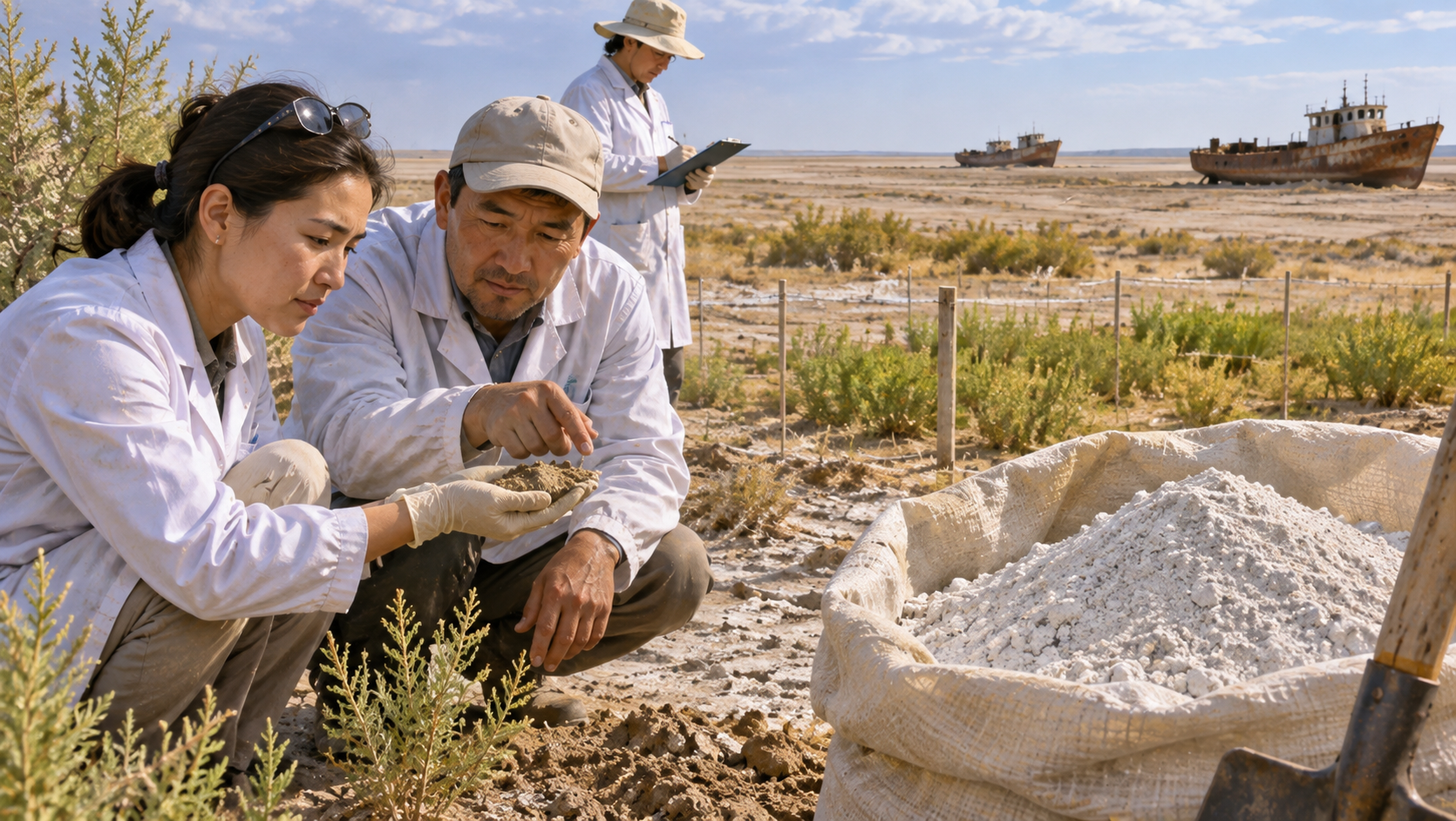
In October, the government discussed with the World Bank and the EBRD support for the restoration of the Northern Aral Sea, modernization of canals, and wastewater treatment: the first phase includes 133 projects, with the main completion scheduled for 2030, while EBRD projects are still at the planning stage. The World Bank approved a $20 million grant for cooperation among Central Asian countries in transboundary water management; according to the bank's estimate, about 40 million people will benefit. Scientists calculated that the exposed bottom of the Aral Sea emitted about 748 million tons of CO2 and proposed counting prevented emissions as carbon credits worth from 3.1 to 15.8 billion euros. The FAO report "The State of the World's Forests 2026" also describes the Kazakh project for restoring tugai forests in the Ramsar site "Ile River Delta and the southern part of Lake Balkhash": it runs from 2018 to 2048, and 25,500 hectares have been restored out of the planned 200,000 hectares. At the very bottom of the Aral Sea, phosphogypsum, a by-product of fertilizer production, is being tested for the restoration of saline soils: the experiment at four sites has been underway for about three years, and saxaul is growing at the phosphogypsum sites. As for the country's own climate projects, the International Center for Green Technologies and Investment Projects expects to attract more than $4 million, but most of this sum is still at the discussion stage.
Author's conclusion
The pavilion is built around two tasks: to show results that generate interest abroad and to attract money. The image is shaped by the Northern Aral Sea, the saiga, and the tiger, while the documents the minister speaks of signing concern wind energy and carbon quotas. Therefore, Kazakhstan's participation in COP31 should be assessed by how many of the 34 documents reach implementation and when.
Comments ()