Clean Air Consortium may combine air data from Kazakhstan and Uzbekistan
Kazakhstan and Uzbekistan are discussing the creation of a "Clean Air" consortium to combat air pollution.
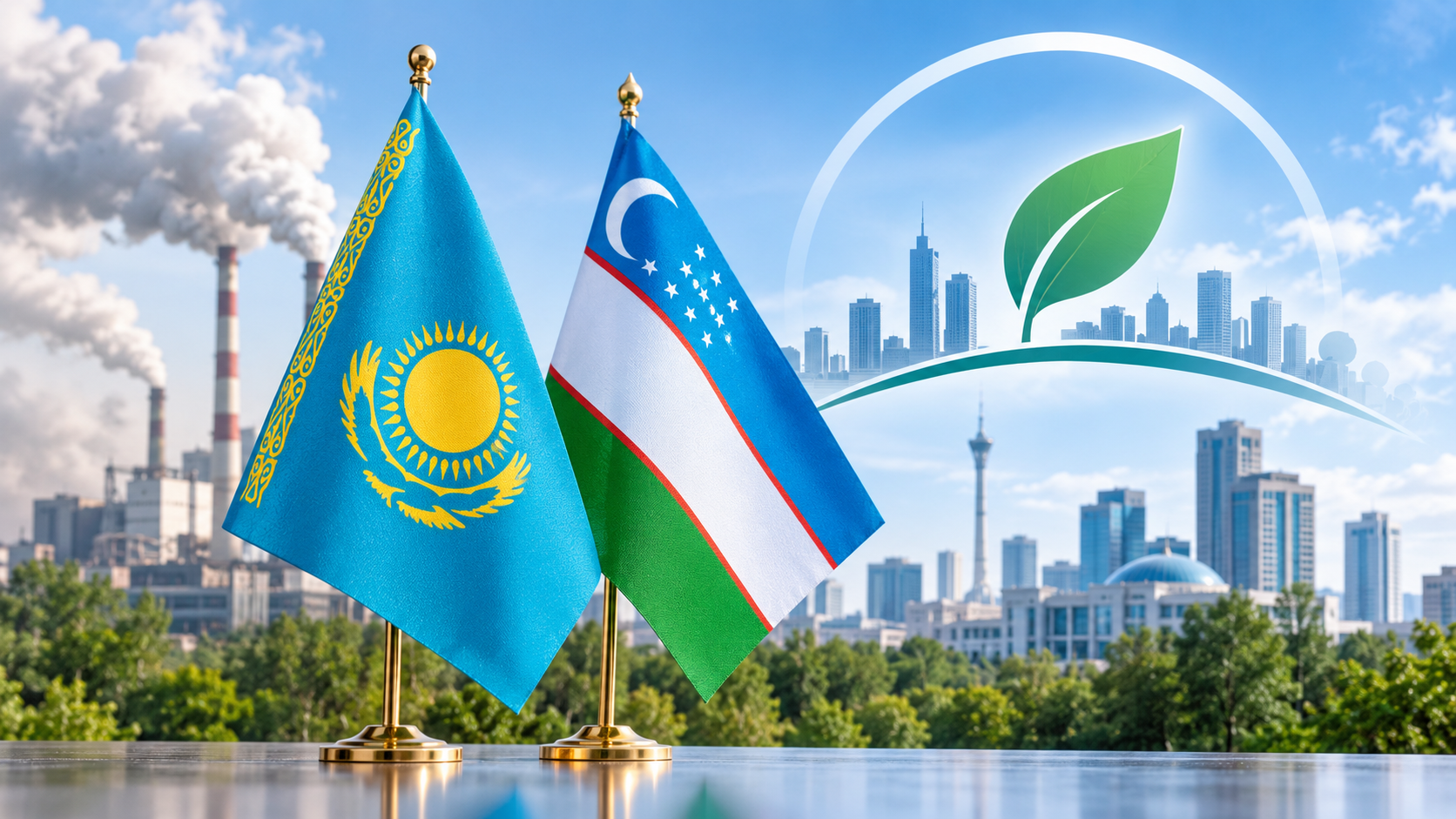
The negotiations on October 23 and 31 took place without signing agreements, Forbes Kazakhstan reports. The reason was IQAir data for October 28: the air quality index in Almaty was 164, in Tashkent - 185.
The gist in brief
- As of October 28, the air quality index (AQI) in Almaty is 164, in Tashkent - 185.
- The consortium proposes combining ground-based and satellite monitoring data, analytics and actions during dust and sand storms.
- The cooperation roadmap is designed for 2026-2030, but agreements have not yet been signed.
- Under the "Clean Air" program, Uzbekistan plans to reduce pollutant emissions by 10.5% by 2030.
What is happening with the air
In late October, the air in Almaty and Tashkent was harmful for everyone. According to IQAir, on October 28 the AQI in Almaty was 164, in Tashkent - 185. On the US EPA scale, values from 101 to 150 are dangerous for sensitive groups, and above 150 - for everyone. On October 26, the AQI in Shymkent was 149, in Tashkent - 157, in Bishkek - 160, in Karaganda - 134.
What the countries are discussing
The countries agreed on joint actions in April 2026, when the initiative was supported by presidents Kassym-Jomart Tokayev and Shavkat Mirziyoyev. Uzbekistan proposed creating a consortium at the regional summit in Astana, and other Central Asian countries may join it. The consortium's tasks: exchanging ground-based and satellite monitoring data, analytics and coordinated actions during dust and sand storms.
On October 23, Astana and Tashkent discussed the consortium, transboundary pollution research and the roadmap for 2026-2030. On October 31, representatives of the countries met in Shymkent and Saryagash: the discussion covered monitoring of border areas, data exchange and the draft charter of a joint working group. No agreements were signed.
What is being done at the national level
Uzbekistan has a "Clean Air" program through 2030. It provides for a 10.5% reduction in pollutant emissions, modernization of industry and new monitoring stations. Tashkent has a moratorium on new industrial zones, except for services and finance, and an environmental classification of vehicles is being introduced.
In Almaty, since April 28, 2026, a pilot low-emission zone has been operating in a limited part of the center. It operates in test mode, and in the future may restrict entry for vehicles with high emissions.
What about air pollution in Kazakhstan and Uzbekistan
According to the IQAir ranking for 2025, Kazakhstan ranked 29th in the world for air pollution with PM2.5 particles (23.4 µg/m³), which is about 4 times above the WHO norm. Uzbekistan was in 10th place, and four countries of Central Asia entered the global top 30 most polluted. In 2025, each resident of Kazakhstan accounted for an average of 111.9 kg of emissions from stationary sources, 14% less than in 2020, but in Pavlodar region this figure reached 882.1 kg, according to calculations by Finprom.
Individual enterprises remain in the focus of environmentalists. The Ecology Department of Pavlodar region was unable to inspect Ekibastuz GRES-1: they were not allowed in after residents complained about ash. At the Kazzinc metallurgical site in Ust-Kamenogorsk, an exceedance of emission standards was detected. In Uzbekistan, greenhouses around Tashkent were asked to stop using solid fuel by December 1.
Polluted air also affects health: scientists linked it to an increased risk of suicidal thoughts, although the authors emphasize that this is only one of many factors.
Author's conclusion
The main point of this news is the change of scale. Until now, air pollution has been tackled at the level of individual cities and countries: the pilot low-emission zone in Almaty, Uzbekistan's national program. The consortium for the first time raises the issue more broadly: shared monitoring data and coordinated actions during dust and sand storms, which do not depend on borders. For residents, this does not yet mean clean air, because there is only a draft charter of the working group and no signed agreements. But if joint monitoring starts working, Almaty and Tashkent will have the opportunity not only to measure pollution on site, but also to compare data and see where it comes from.
Comments ()