Commission proposed to save 26 million hectares of Kazakhstan's pastures
Environmentalists propose a commission to save 26 million hectares of pastures, a key initiative for sustainable agribusiness development.
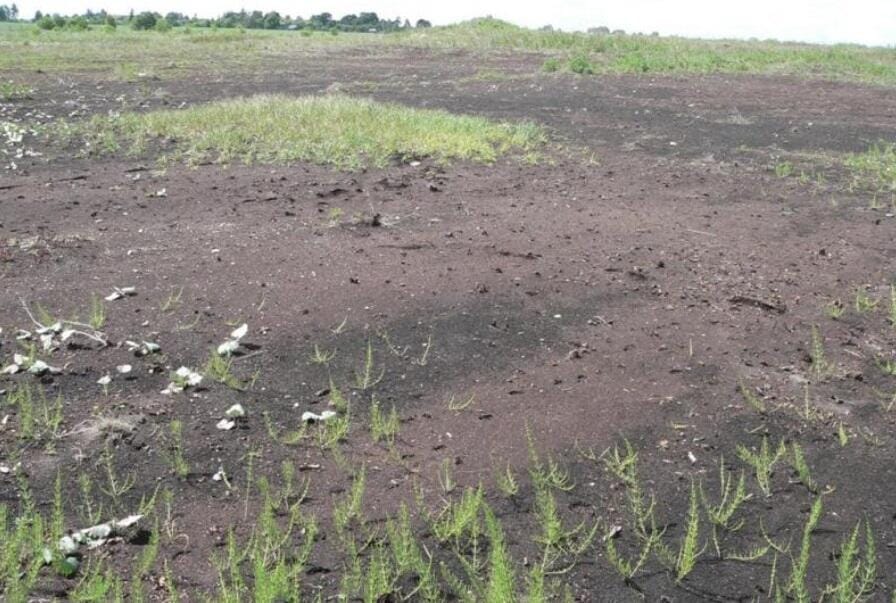
The initiative is aimed at preventing desertification and restoring the productivity of lands critically important for livestock farming, reports 24.kz.
In a Nutshell
•26 million hectares of pastures in Kazakhstan are in a state of degradation.
• To save them, it is proposed to create an interdepartmental commission.
• The problem threatens the sustainability of livestock farming and food security.
• Restoring pastures requires an integrated approach and coordination between agencies.
Scope of the Problem
The area of degraded pastures in Kazakhstan is comparable to the territory of Great Britain. 26 million hectares is almost 20% of all pastureland in the country. The main causes of degradation are overgrazing, climate change, soil erosion, and insufficient funding for restoration work.
Proposed Solution
Creating a commission will allow combining the efforts of the Ministry of Agriculture, the Ministry of Ecology, akimats (local administrations), and research institutes. The commission is expected to develop a roadmap for pasture restoration, including:
- Land inventory and assessment of the degree of degradation
- Introduction of pasture rotation and regulated grazing
- Phytomelioration measures (sowing drought-resistant grasses)
- Incentivizing farmers for rational land use.
Risks for Livestock Farming
Pasture degradation directly threatens beef and dairy farming — key sectors of Kazakhstan's agro-industrial complex. Reduced pasture productivity leads to higher feed costs, a decline in livestock numbers, and increased meat imports. According to experts, without urgent measures, the area of degraded land could increase to 40 million hectares by 2030.
International Experience
Similar problems are being addressed in Mongolia, Australia, and Central Asian countries. Kazakhstan already has programs to combat desertification, but their effectiveness is hampered by fragmented agency efforts and a lack of funding. Creating a unified commission could be the first step toward a systemic solution.
Author's Conclusion
The proposal to create a commission is not a bureaucratic measure, but an attempt to shift the problem from the category of an "environmental threat" into the realm of a "management task." However, without real funding and accountability for results, even the most well-thought-out commission risks remaining just another advisory body.
Comments ()