Kazakhstan's livestock planned to be improved with American genetic technologies
Kazakhstan's Agriculture Ministry and US-based Trans Ova Genetics signed a memorandum to create a specialized cattle embryology lab and train Kazakh specialists.
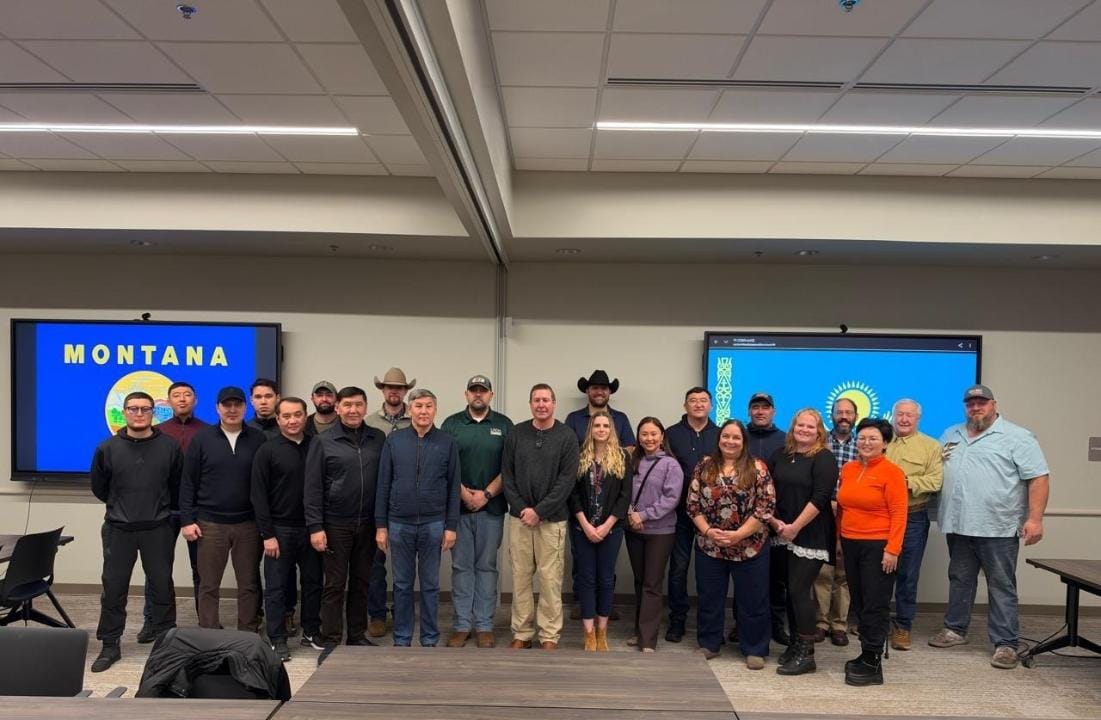
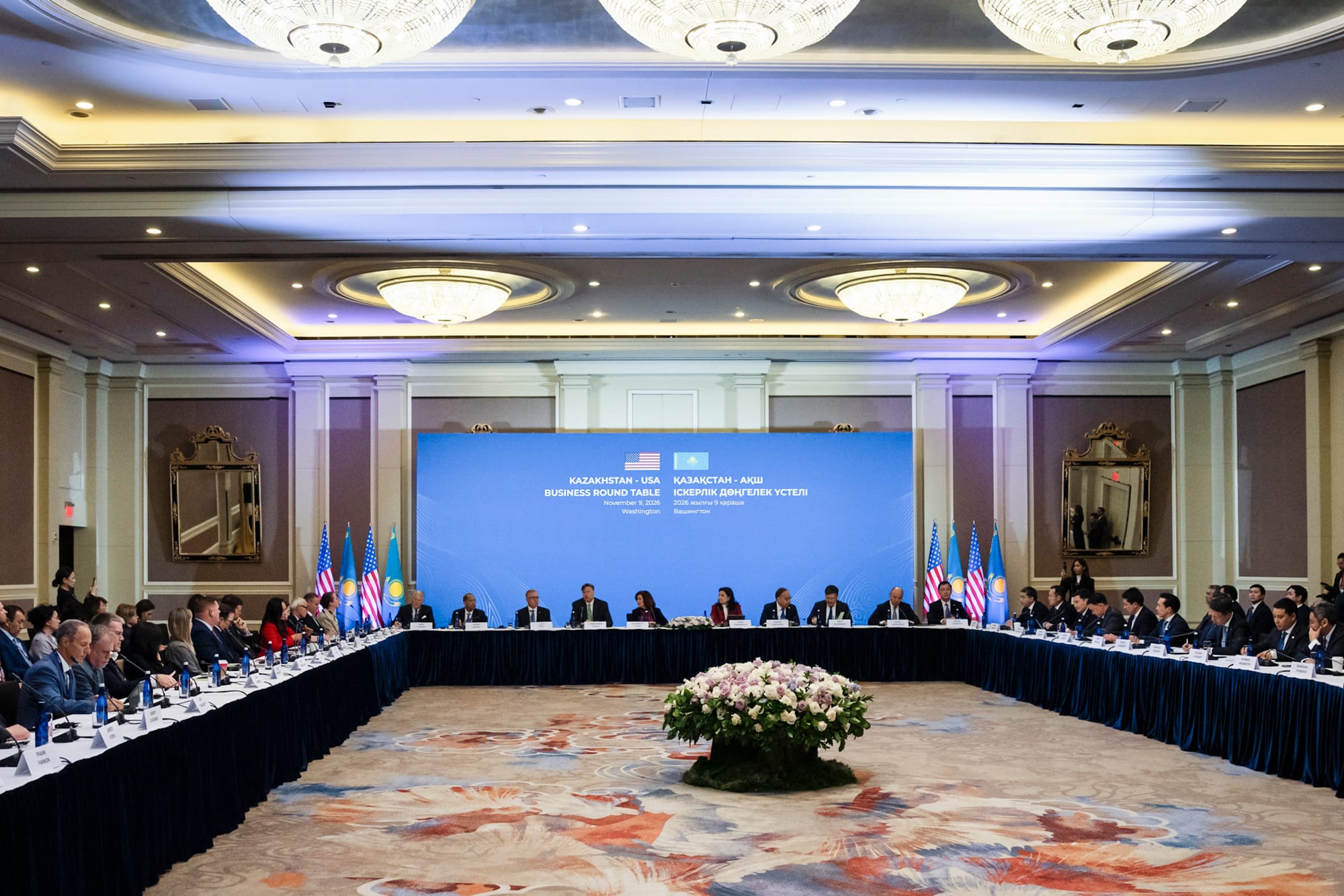
The memorandum became the main outcome of the working trip of Deputy Minister Amangaliy Berdalin to the United States, reports the Ministry of Agriculture of Kazakhstan.
The essence in brief
- The laboratory will produce, evaluate, freeze and transplant cattle embryos, and Kazakh specialists will be trained by foreign experts.
- The memorandum was signed by the Ministry of Agriculture and the American company Trans Ova Genetics, LC.
- Berdalin held talks with the agricultural agencies of the states of Idaho and Montana and with representatives of US agribusiness on the supply of highly productive breeding stock and American genetics.
- Kazakhstan is implementing 6 full-cycle red meat production projects and has already built more than 100 modern dairy farms.
What is known about the laboratory
The laboratory will specialize in the production, evaluation, cryopreservation and transplantation of cattle embryos. Cryopreservation is the storage of embryos in frozen form. In addition, the American side will help train Kazakh specialists: the training will involve foreign experts.
What was agreed in the USA
In addition to the memorandum, the deputy minister discussed with the agricultural agencies of Idaho and Montana and with American businessmen the supply of highly productive breeding stock and the development of the dairy industry. American companies were invited to equip new dairy complexes and to consider localizing equipment production in Kazakhstan with a view to the markets of Central Asia. In addition, the parties agreed to cooperate in training specialists for livestock auctions according to American standards of price transparency.
How this relates to the livestock development plan
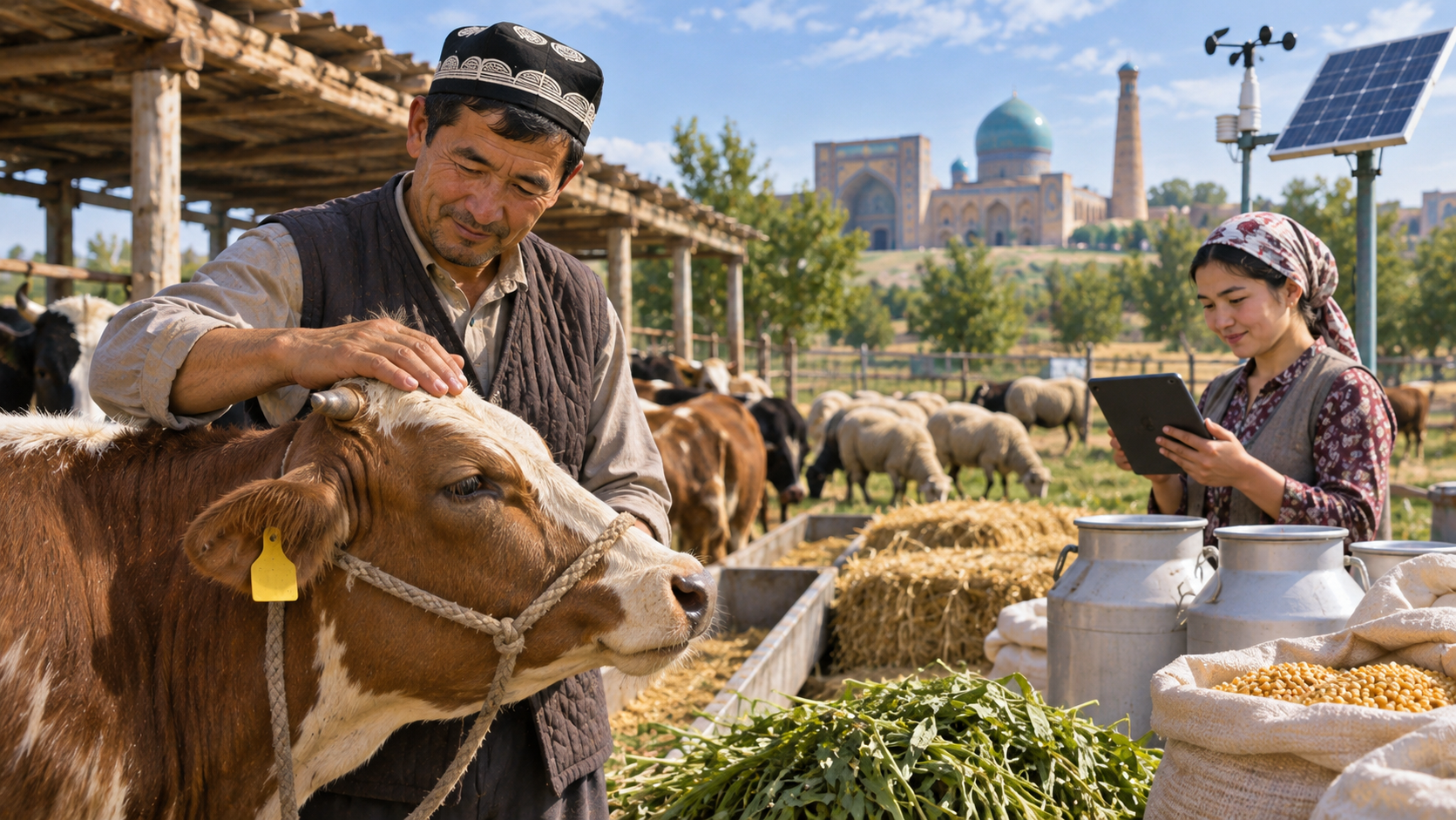
Berdalin emphasized that Kazakhstan, which ranks fifth in the world by pasture area (about 180 million ha), has the potential to increase the production of beef, lamb and dairy products. This year, on the instructions of the head of state, a Comprehensive Plan for the Development of Livestock Breeding for 2026-2030 was approved: it provides for improving genetics, strengthening the feed base, expanding financing, introducing technologies and developing processing. Within the framework of the plan, the parties discussed technological partnership in herd reproduction.
The country is currently implementing six full-cycle red meat production projects, and the first specialized livestock exchange is being built in the south. In recent years, more than 100 dairy farms have been built, each costing on average about $9 million, and concessional lending is envisaged for another 50 farms with digital technologies.
What is planned next
The parties decided to translate the agreements reached into concrete investment and trade projects, using the expertise of the state of Montana in beef cattle breeding and the state of Idaho in industrial dairy production and processing. To support the initiatives, the Ministry of Agriculture will organize a permanent working platform involving government agencies, business and scientific organizations.
"I am confident that combining the resource potential of Kazakhstan with the technologies and experience of American partners will make it possible to achieve mutually beneficial results," believes the Vice Minister of Agriculture of Kazakhstan
What is happening with livestock breeding in Kazakhstan
The results of the agricultural census showed that 68% of the livestock in conventional heads is accounted for by agricultural entities, and 32% by personal subsidiary farms. In 2026, 64.2 billion tenge has been allocated for the purchase of breeding stock, with which they plan to acquire 29.6 thousand head of cattle and 15.2 thousand head of small ruminants, and regions that have failed to meet the targets of the Comprehensive Plan for the Development of Livestock Breeding will not receive funding for new projects in 2027, said Minister Aidarbek Saparov. The "Auyl" faction warned that approved projects could fail due to the price of livestock being understated by 20-30% against the market, and in the Ulytau region the share of breeding stock is only 12%, 994 thousand out of 8.2 million head. In August, Saparov criticized the regions for lagging behind in the construction of veterinary facilities: the program for 2026-2027 provides for 2,399 facilities worth 66.2 billion tenge. In June, the Ministry of Agriculture prepared a draft order to extend the export quota for beef at 25 thousand tons for another six months, and environmentalists proposed creating a commission to restore pastures where 26 million ha have degraded.
Author's conclusion
For now, the memorandum signifies an intention rather than a working laboratory, and its result can be judged by the first transplanted embryos and by trained specialists. The laboratory fits into the Comprehensive Plan, where the improvement of genetics goes hand in hand with the feed base, financing and processing, so the main indicator will be the productivity of livestock, not the number of signed documents.

Comments ()