Extreme heat disrupts climate conference in London
During London Climate Week, a heat-related event was canceled after the air conditioning failed at the LSE venue.
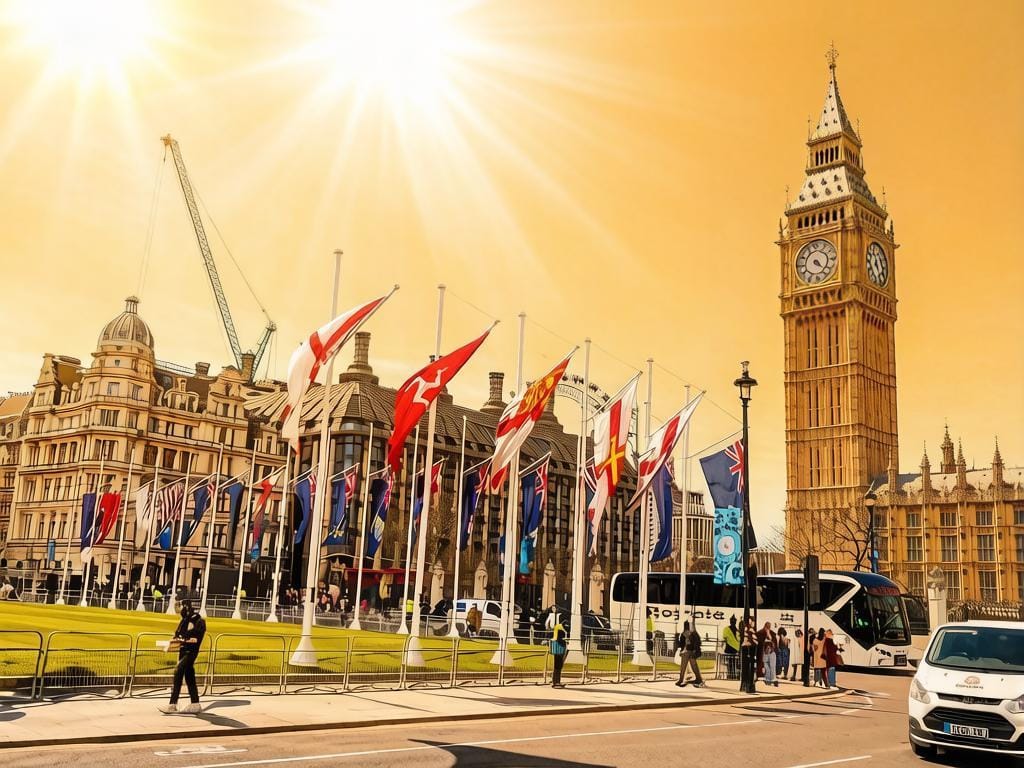
London, long considered one of Europe's most livable megacities, has unexpectedly found itself at the center of the climate agenda. During London Climate Action Week, one of the events dedicated to combating extreme heat had to be canceled… due to the extreme heat itself.
The situation took on a symbolic character following the words of UN Secretary-General António Guterres:
«London isn't just calling, it's cooking».
This phrase quickly became one of the most quoted during Climate Week, and the story itself served as yet another reminder that climate change is no longer a problem exclusive to Africa, South Asia, or the Middle East.
The gist of it
- Due to extreme heat, one of the events during London Climate Action Week had to be canceled.
- UN Secretary-General António Guterres stated: «London isn't just calling, it's cooking».
- Extreme temperatures are increasingly affecting countries once considered climatically safe.
- Experts warn that heatwaves are becoming the new normal for Europe.
- For Kazakhstan, what is happening is yet another confirmation of the need to adapt its economy and agriculture to new climatic conditions.
Europe faces a new reality
Just ten years ago, extreme heat was perceived primarily as a problem for southern countries. Today, record temperatures are becoming a regular occurrence in the UK, Germany, France, and Scandinavian countries.
The heat leads to overloaded energy systems, transport disruptions, reduced labor productivity, and increased mortality among the most vulnerable populations. Major international events are also increasingly at risk.
The story of a climate session being canceled due to heat has become a symbol of a new era: the consequences of global warming are already affecting daily life, even in countries with developed infrastructure.
Climate is changing the economy
Experts increasingly say that climate change is ceasing to be solely an environmental issue.
Extreme temperatures impact energy, construction, transport, insurance, and agriculture. As heatwaves become more frequent, adaptation costs will only rise, and climate resilience is becoming a factor in economic competitiveness.
That is why more and more countries are viewing climate policy not as fulfilling international obligations, but as an element of national security.
What this means for Kazakhstan
For Kazakhstan, such events are of particular importance.
The average annual temperature in the country is rising faster than the global average, and droughts, water scarcity, and declining crop yields are becoming increasingly serious challenges for the economy.
If extreme heat is already disrupting the functioning of major European cities, then for states with a more arid climate, the consequences could be even more severe. This primarily concerns agriculture, water resources, and energy.
Author's conclusion
The story of a conference being canceled due to heat seems almost ironic, yet it reflects the profound changes taking place in the world. The climate crisis can no longer be perceived as a problem exclusive to developing countries. It is already affecting the operations of major European cities, the economy, and international events. For Kazakhstan, this is another signal that adaptation to climate change must become not only an environmental but also an economic strategy for the state.

Comments ()