FAO increases funding for Codex Alimentarius: new food safety standards will also affect Central Asia
FAO boosts Codex support, urging stricter global food safety standards — key for food security in Kazakhstan and Central Asia.
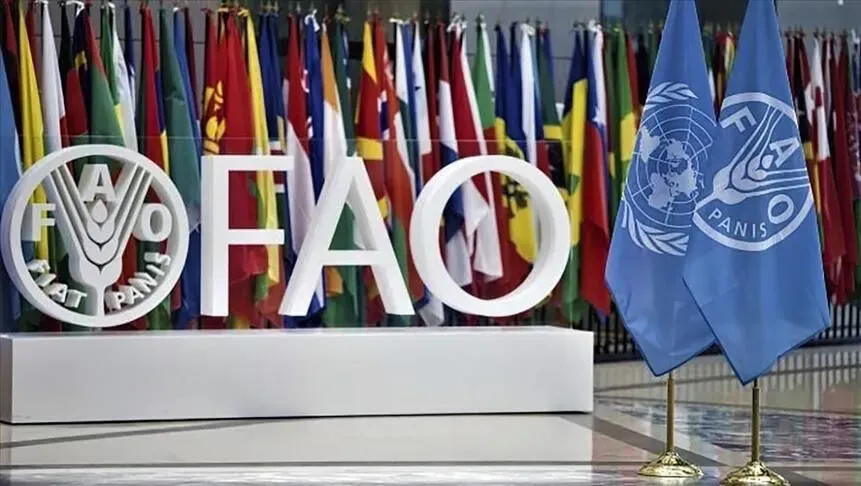
The Food and Agriculture Organization of the United Nations (FAO) announced an additional allocation of $500,000 to support the work of the Codex Alimentarius Commission in 2026–2027. FAO Director-General Qu Dongyu called on countries to more actively implement international food safety standards, emphasizing that without real implementation, they remain mere formalities.
In Brief
• FAO increased the Codex Alimentarius budget by $500,000 for digitalization and the work of new subsidiary bodies
• The Commission's 49th session is taking place in Geneva from July 6 to 10, 2026
• For Central Asian countries, Codex standards are key to accessing export markets and reducing trade barriers
• Without the implementation of standards, real food safety and consumer trust cannot be ensured
Additional Funding and Digital Infrastructure
Opening the 49th session of the Codex Alimentarius Commission in Geneva, FAO Director-General Qu Dongyu announced that the FAO Ministerial Conference in 2025 had approved an additional allocation of $500,000 to the Codex Secretariat in the budget for 2026–2027. The funds will be directed towards supporting newly reactivated subsidiary bodies, the timely publication of Codex texts, and the modernization of digital infrastructure.
"Impact depends on implementation — without it, these standards cannot achieve their goals," said Qu Dongyu, stressing that the next challenge is to enable countries to effectively apply the standards in practice.
Significance for Kazakhstan and Central Asia
For Central Asian countries, including Kazakhstan, Codex Alimentarius standards are critically important. They serve as an international benchmark for developing national legislation, help reduce trade barriers, and strengthen consumer trust in food safety.
According to FAO, international food standards contribute not only to food safety but also to building trust, reducing waste, and creating more competitive markets. For Kazakh agricultural exporters, compliance with Codex standards is a mandatory condition for accessing the markets of the EU, the Middle East, and China.
Scientific Basis and Support for Developing Countries
FAO reaffirmed its commitment to providing Codex with the scientific advice underpinning its decisions. The organization will also continue to support developing countries in building capacity for the effective implementation of Codex standards.
"International food standards go far beyond food safety — they help build trust, reduce losses, and create fairer markets as agrifood systems transform," noted the FAO Director-General.
About Codex Alimentarius
The Codex Alimentarius Commission, established by FAO and the World Health Organization (WHO), first met in 1963. It is the UN body responsible for setting food standards to protect consumer health and ensure fair practices in international food trade.
The Commission comprises 188 member countries and one member organization (the European Union), as well as 246 observer organizations. Although Codex texts are voluntary, they serve as an international reference, supporting the development of national legislation and strengthening consumer trust.
Author's Conclusion
The increase in funding for Codex Alimentarius is a signal for Kazakhstan and other Central Asian countries: international requirements for food safety are tightening. Without the active implementation of Codex standards into national legislation and production processes, domestic producers risk losing access to premium export markets. Investments in digitalization and the scientific basis of standards open up new opportunities but require a reciprocal readiness from member countries to modernize their quality control systems.


Comments ()