Fires in the Ili Delta threaten the ecology of the Balkhash region.
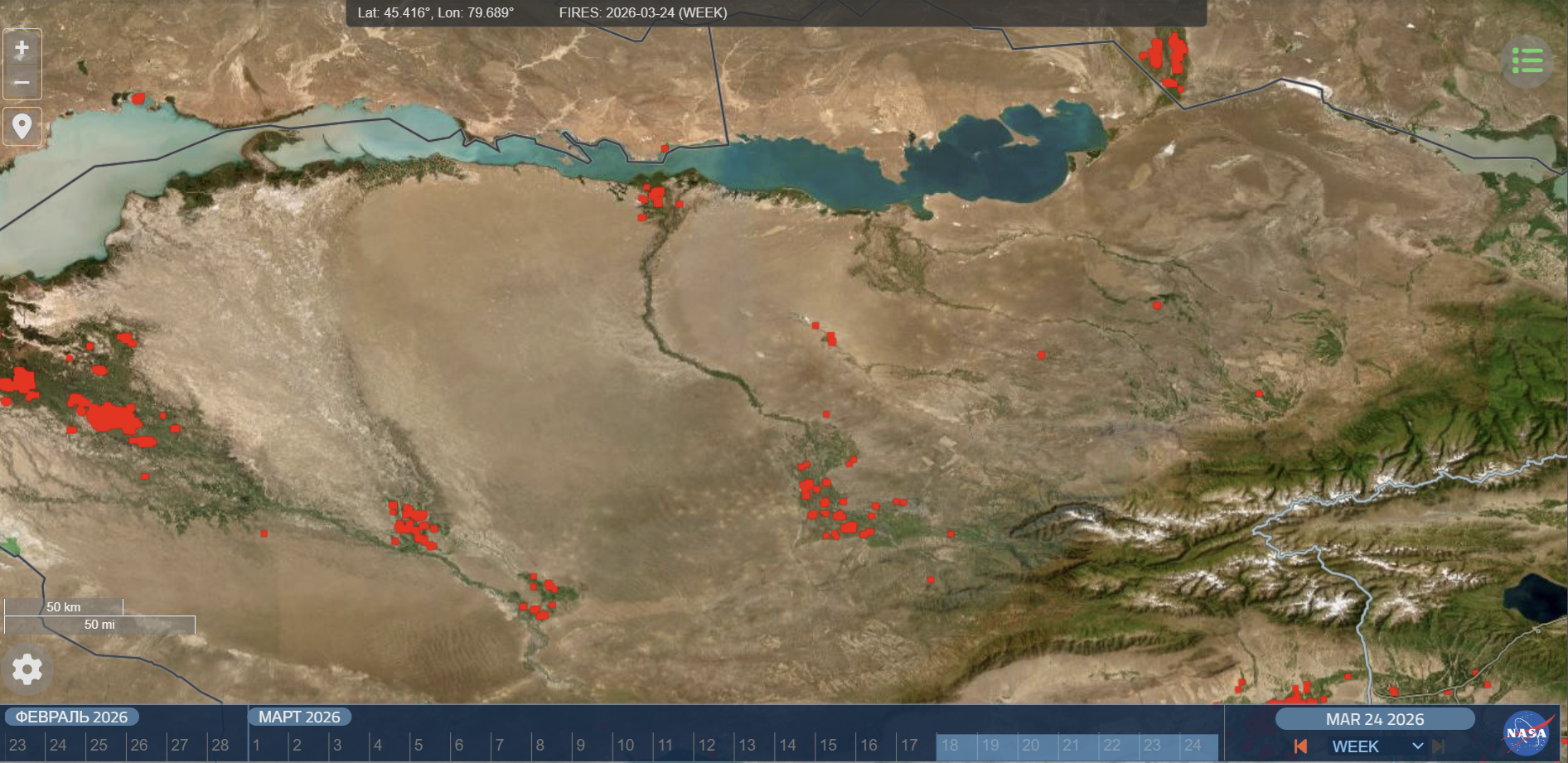
NASA systems detect abnormal thermal hotspots at key points of the Ili River delta. The fire sources are concentrated near populated areas, ruling out natural causes. Professor Vladimir Starodubtsev confirms the critical situation based on remote monitoring.
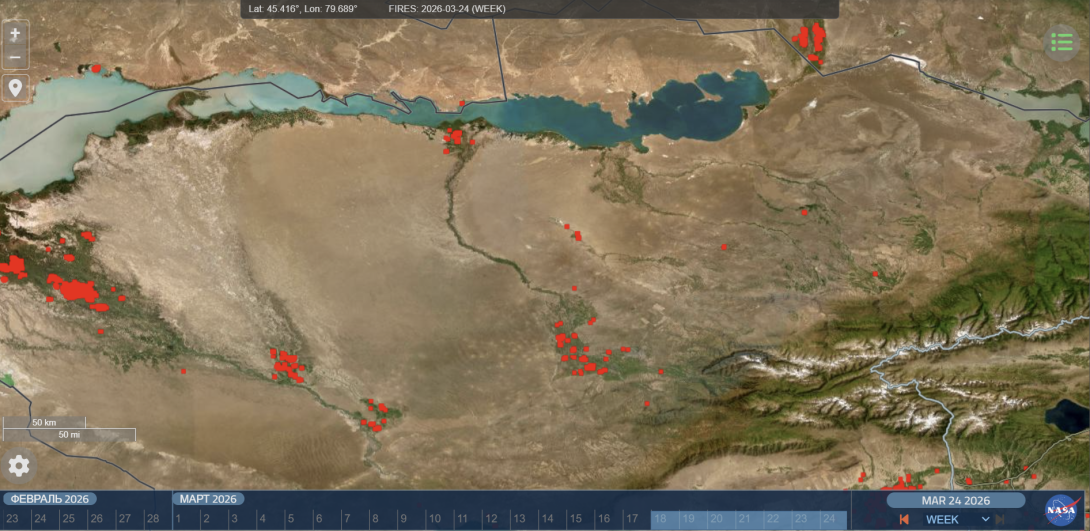
Large-scale fires have been recorded in the Ili River delta, posing a serious threat to the unique ecosystem of the Balkhash Basin. Satellite data and expert evidence confirm the presence of numerous fire hotspots in close proximity to human settlements, indicating the anthropogenic nature of the incident.
In Brief
- NASA systems detect anomalous thermal hotspots at key points in the Ili River delta.
- Fire hotspots are concentrated near populated areas, ruling out natural causes for the fires.
- Professor Vladimir Starodubtsev confirms the critical situation based on remote monitoring of the region's condition.
- Steppe and reed fires damage biodiversity, destroying natural filtration systems and the food supply base.
Anomalous Activity Near Populated Areas
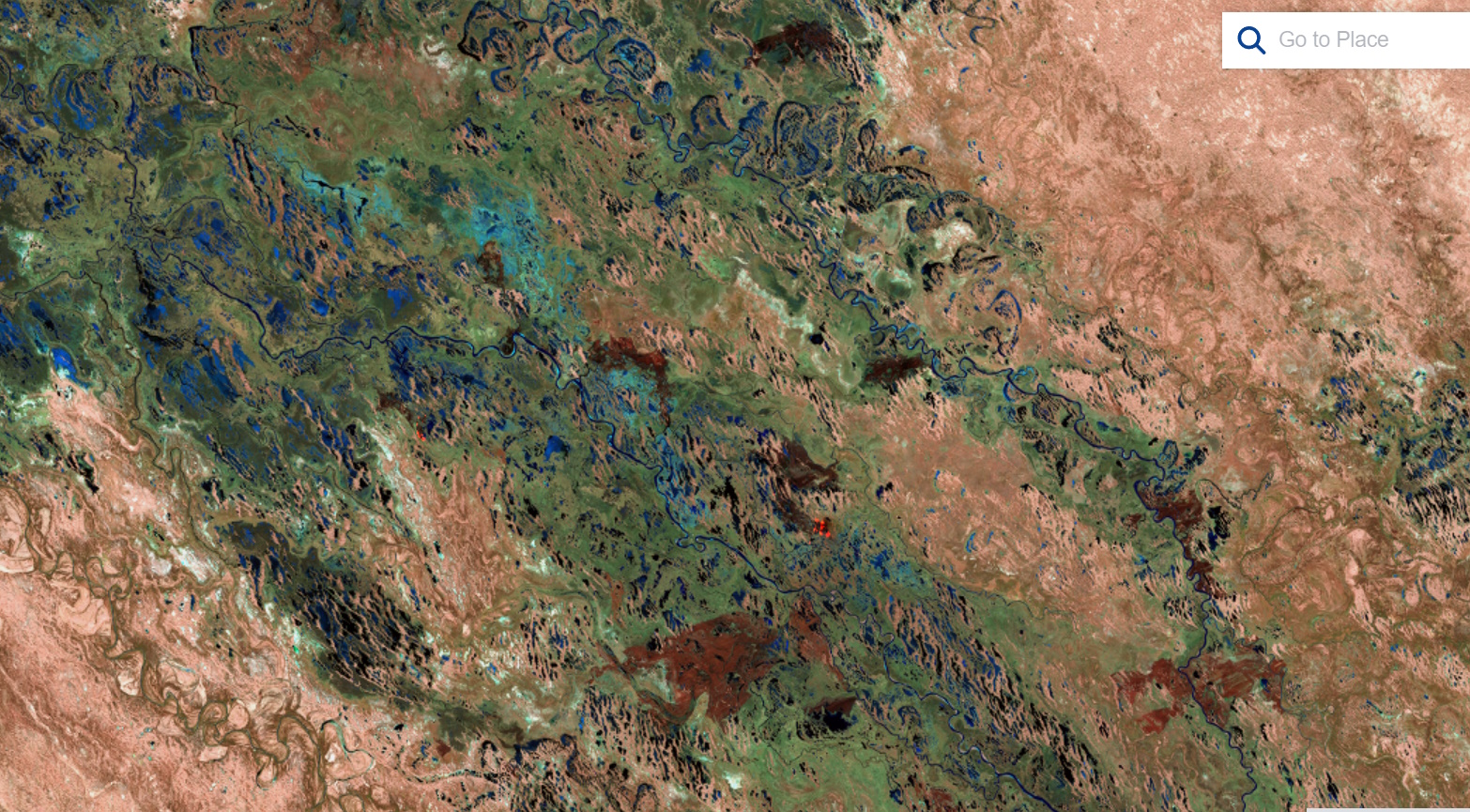
The current situation in the Ili River delta is causing serious concern among the scientific community. Professor Vladimir Starodubtsev, who conducts continuous monitoring of the region, was among the first to report the spread of fire. Data from NASA's space services confirm the expert's words: clusters of thermal anomalies are clearly visible on monitoring maps. Notably, almost all recorded thermal hotspots are located near human settlements, once again raising the issue of land use practices and careless handling of fire.
Specialists emphasize that there are currently no natural causes for the fires. Spontaneous combustion in the steppe or delta zone at this time of year is virtually impossible, which directly points to the human factor as the main source of the environmental threat.
Environmental Consequences for the Regional Agro-Industrial Complex
Any fire in the steppe or floodplain zone is a direct blow to the stability of the ecosystem. The Ili delta acts as a natural biological filter for Lake Balkhash, and the destruction of vegetation by fire leads to soil degradation and loss of biodiversity. For the region's agricultural sector, such incidents result in the destruction of potential pasturelands and disruption of the area's water balance.
Minimizing such risks requires not only a rapid response from emergency services but also strict control over activities in protected zones. Systematic fires are depleting Kazakhstan's natural capital, turning living floodplain forests and thickets into scorched, barren "deserts," which will be extremely difficult to restore under a changing climate.
Author's Conclusion
The situation in the Ili delta vividly illustrates the fragility of the country's key water arteries in the face of irresponsible activity. When fires become a "documented tradition" near villages, it indicates a failure in the system of prevention and environmental education. Without strict suppression of unauthorized grass burning, we risk finally destabilizing the Balkhash region's ecosystem, the consequences of which will be felt by agriculture throughout the Almaty region.

Comments ()