HOW THE ISHIM (ESIL) RIVER IS BEING DESTROYED
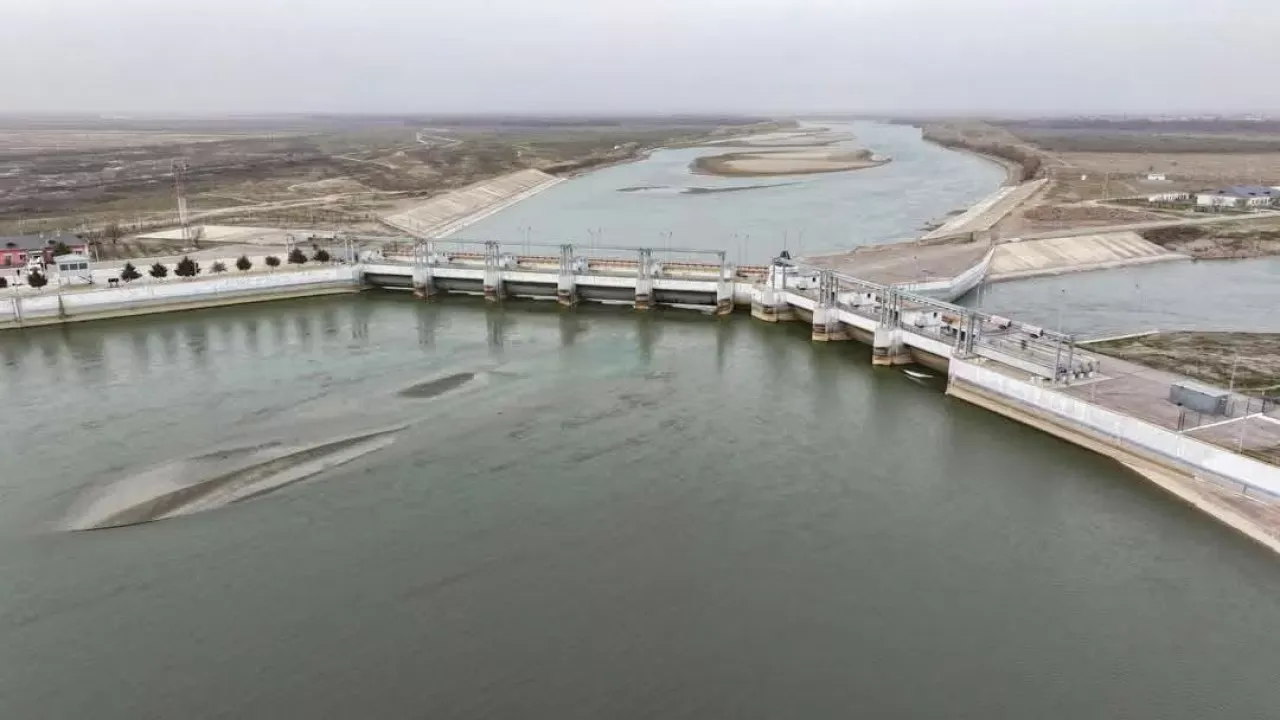
We recently covered the state of Astana’s main drinking water source, the Astana (Vyacheslav) reservoir. Now let's continue downstream along the Ishim River to the capital. Before we start, let's review water protection laws.
We recently published what is happening to the main source of drinking water for Astana – the Astana (Vyacheslav) reservoir.
Now let's continue our journey downstream along the Ishim River to the capital itself. Before we begin, let's refresh our knowledge of the legislation concerning the protection of water bodies, particularly small rivers and objects of special importance, which the Ishim is.
For reference: The extraction of common mineral resources (CMR) near water bodies in the Republic of Kazakhstan is regulated by the Water Code and environmental legislation. The water protection zone for small rivers (up to 200 km) is 500 meters from the shoreline, and in complex ecological conditions — up to 1000 meters. Within this zone, any activity that could lead to pollution or changes in the hydrological regime of water bodies is prohibited.
Within the water protection zone, a water protection strip of at least 35 meters is designated, where any work that disturbs the soil and vegetation cover, including the extraction of CMR, is completely prohibited.
Ok, let's begin:
Point 1. Sand Diggers
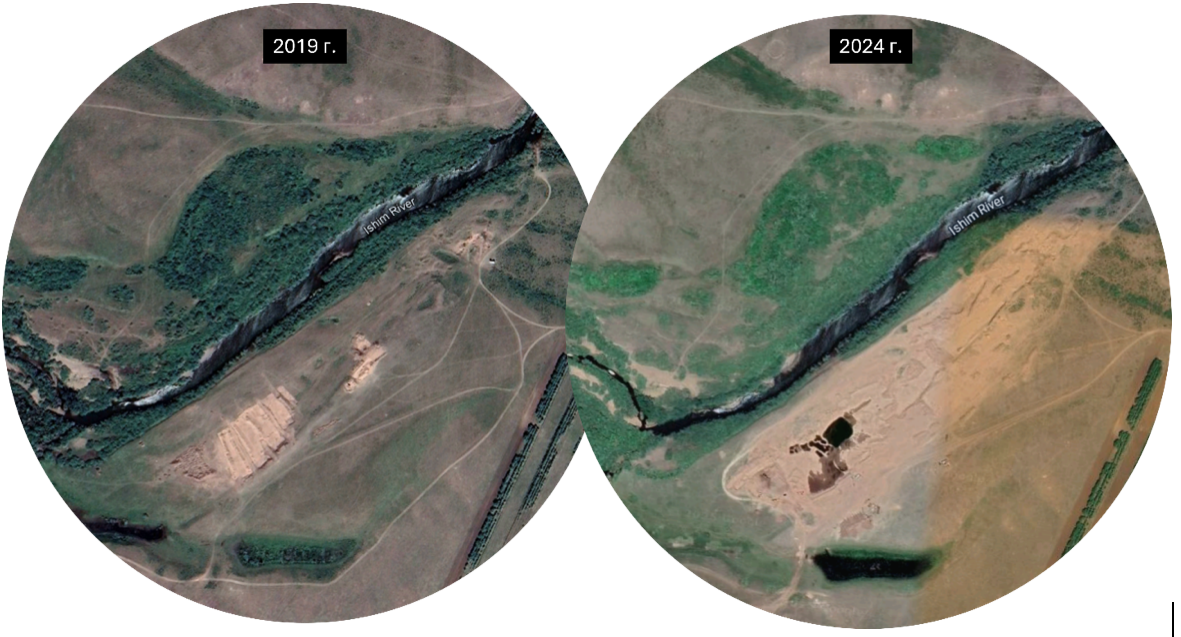
These curious creatures started extracting sand (most likely for construction needs) around 2019. Look at the before and after images to understand the scale of their activity. The extraction area in the latest images is approximately 122,000 sq m. Extraction is carried out 30 meters from the shoreline, but that's nothing; water from the tap with sand is somehow more familiar.
Point 2. Crushed Stone Crew
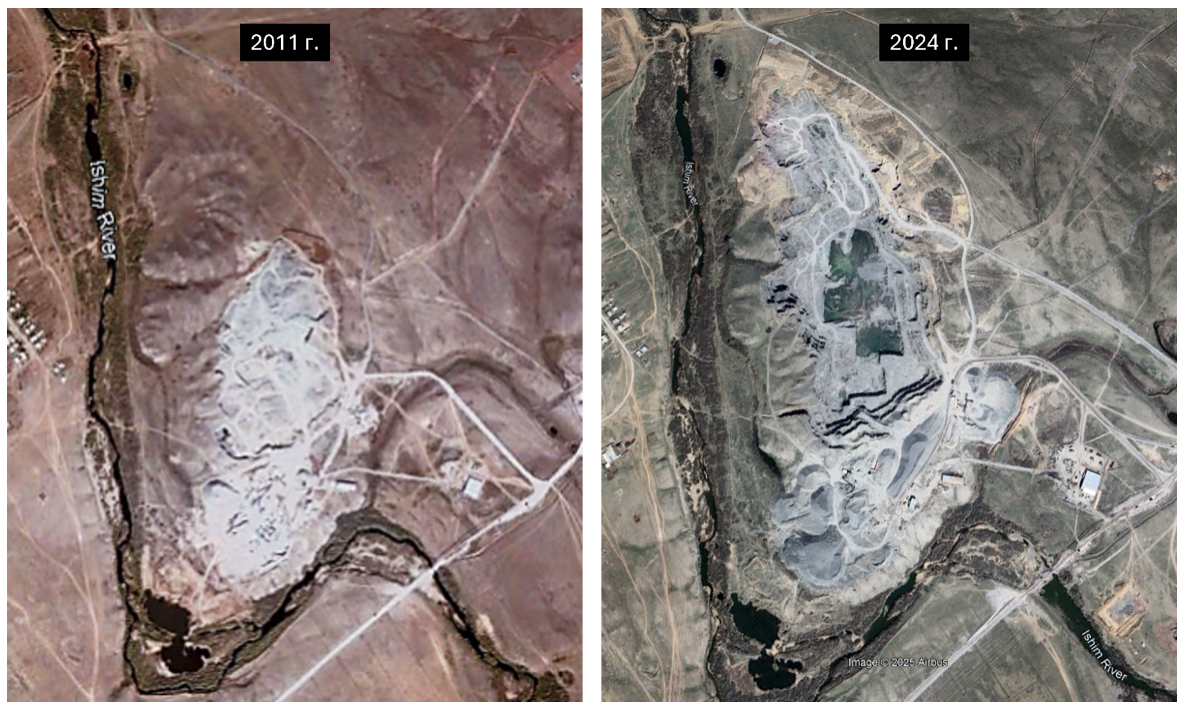
This species is engaged in extracting crushed stone, another material relevant for construction. They are probably guided by the principle: why travel far for building materials when you can get them close by. Let us remind you, the Water Code states: any activity that could lead to pollution or changes in the hydrological regime of water bodies is prohibited.
Looking at the images – nothing special, at the closest point of contact, their waste dumps are also 30 meters from the shore. Some kind of magic number. The extraction area is about 800,000 sq m.
Point 3. Swamp Makers
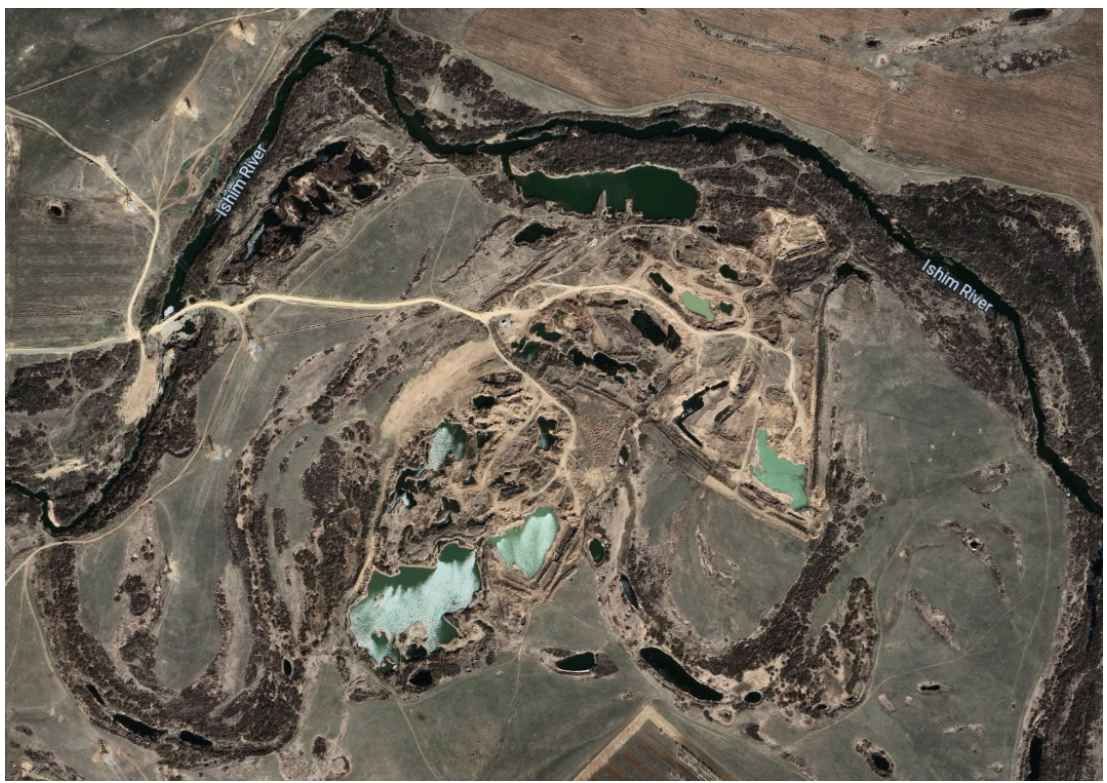
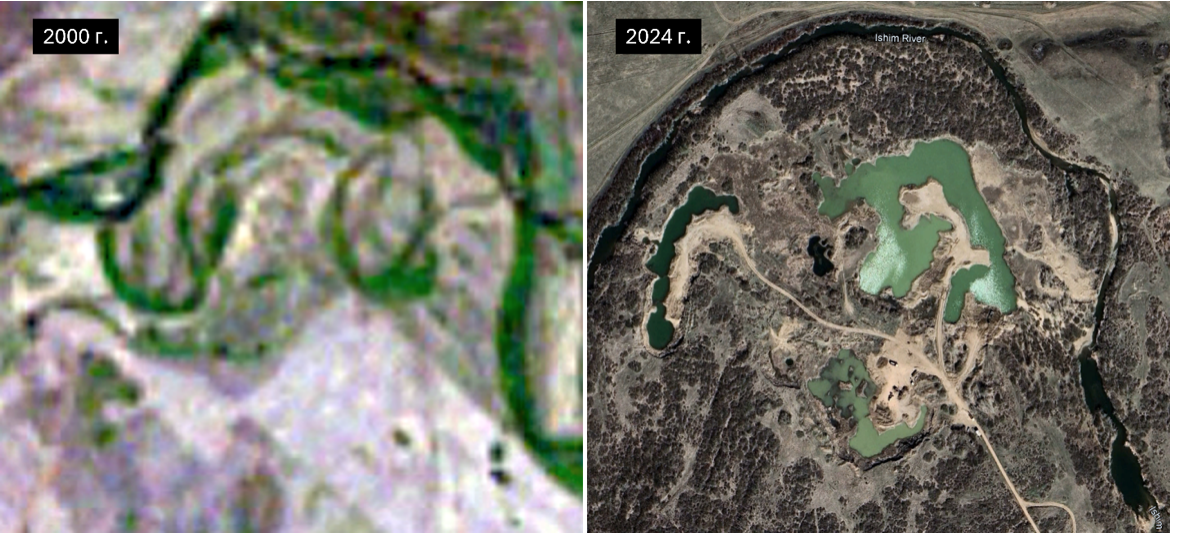
These cuties are doing the same as the Sand Diggers, with the difference that their digging and shoveling activities result in swamps roughly the size of Khan Shatyr. They are also digging at about 30 meters from the nearest point. By the way, as you can see, the riverbed has also changed.
Point 3. Swamp Makers 2
These guys are competing with the first Swamp Makers – who can create more swamps in the Ishim floodplain. Smell the musty water from the tap? Thank them for it.
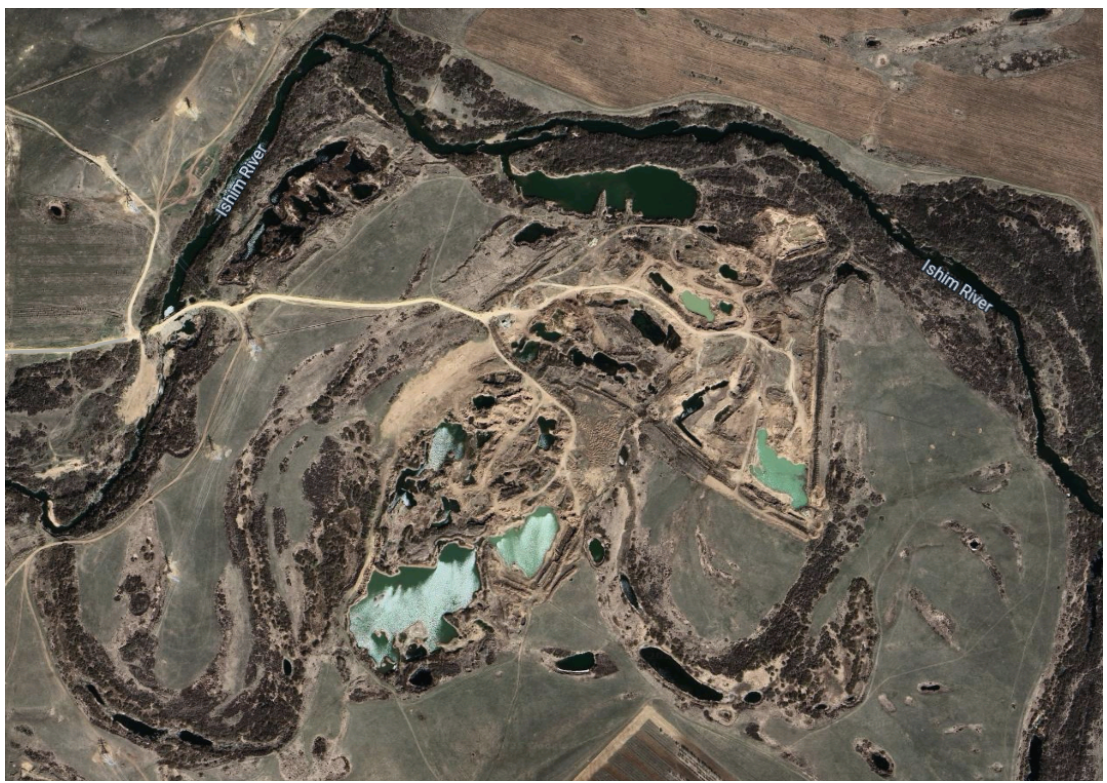
Point 4. Modest Sand Diggers:
These guys dig at a respectable distance, a full 43 meters! Commendable! The extraction area is about 100,000 sq m.
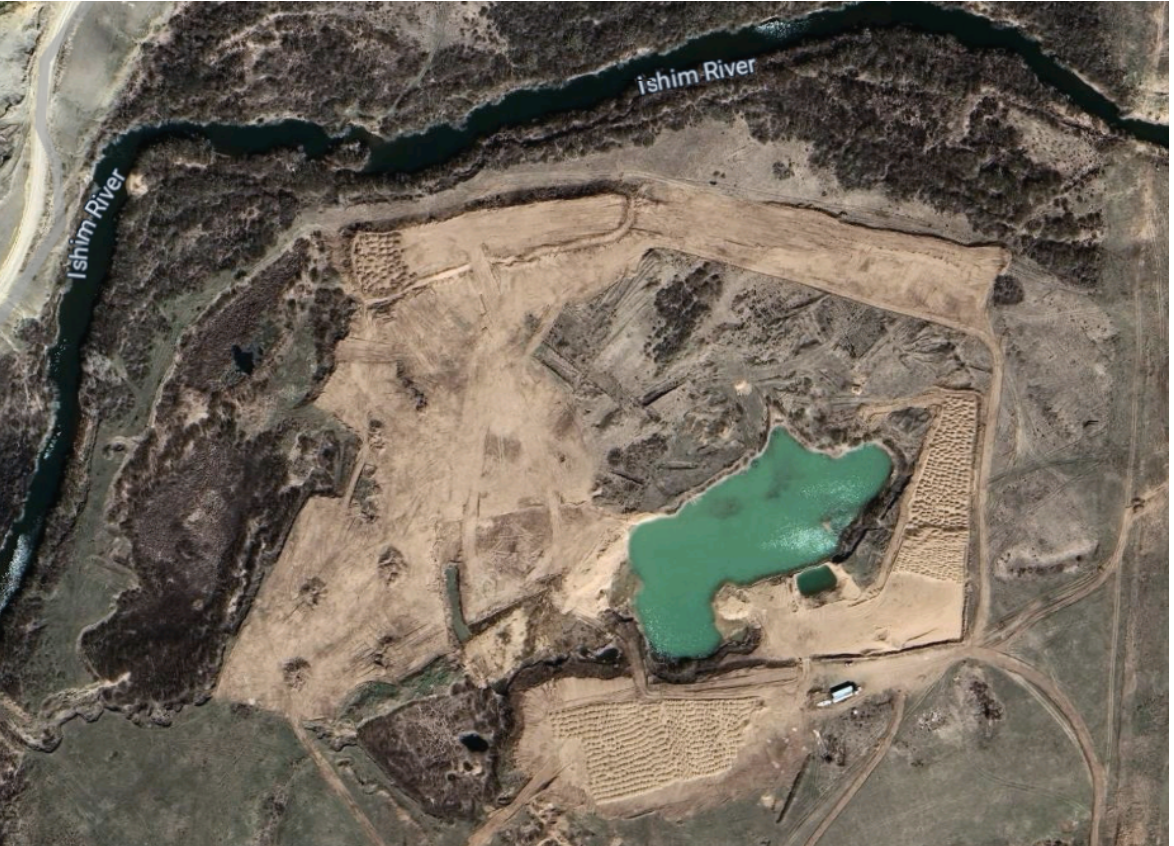
Point 5. Mass CMR Extractors
It feels like they operate on the principle of "After us, the Ishim may dry up." A very dismissive attitude towards nature.
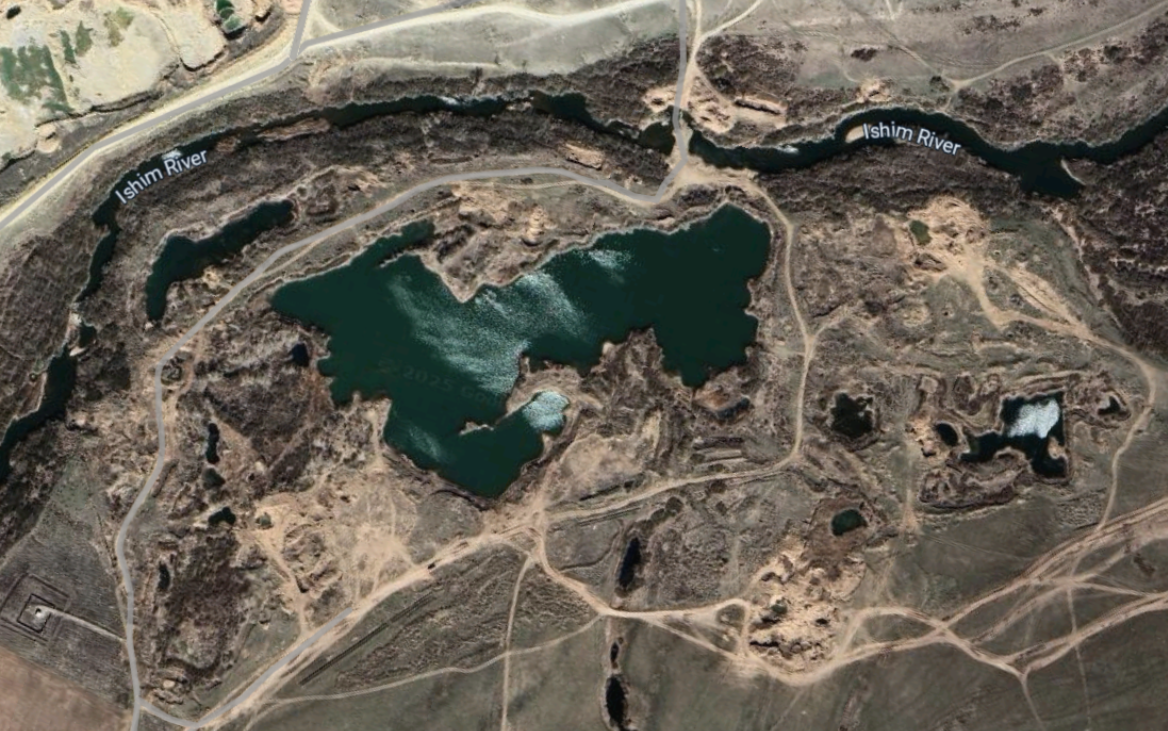
Point 6. CMR Champions
These people clearly don't live in Astana, judging by how they are destroying the river.
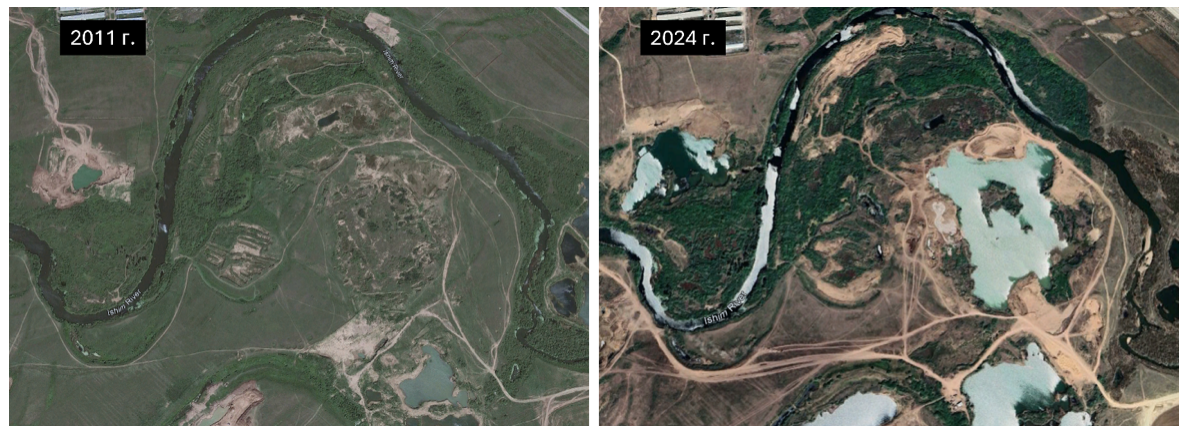
If you're interested, you can also look on Google Maps yourself; you'll find many interesting things there – farms, landfills, garbage dumps, and other delights. Don't forget to boil water, use filters, and carefully monitor the quality of the water you consume!
Comments ()