In Spain, for the first time in the world, a large engine running on 100% hydrogen has been launched.
A large hydrogen power plant with zero CO2 emissions and no natural gas use has been launched in Bermeo.
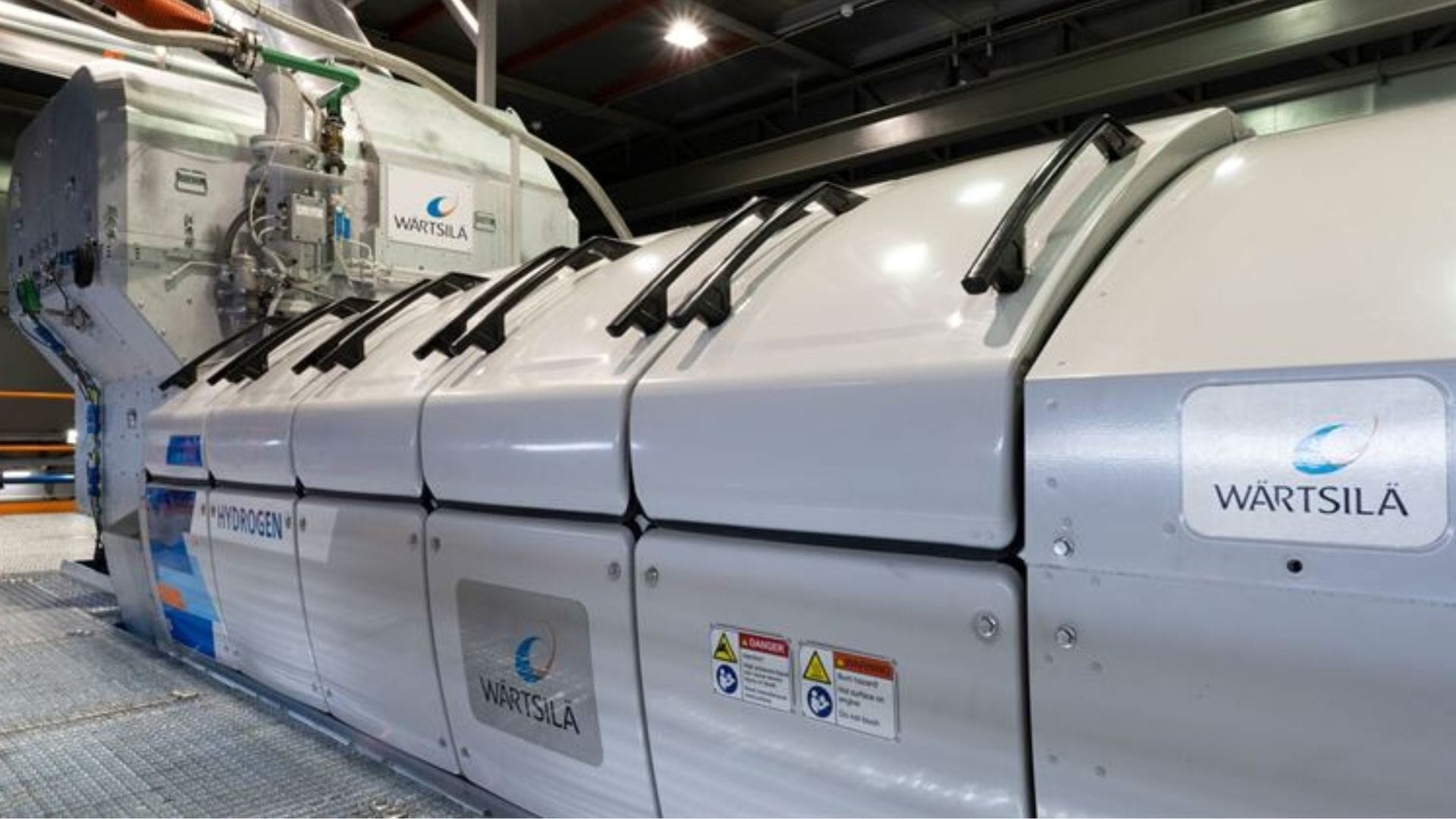
Finnish energy equipment manufacturer Wärtsilä has conducted the world's first test of a large-scale engine running exclusively on pure hydrogen, supplying electricity to the national grid in the Spanish city of Bermeo, reports Interesting Engineering. Kazakhstan, which has announced plans to develop hydrogen energy, now has its first real benchmark: the technology has left the laboratories and begun operating on a live grid.
The Gist
- The Wärtsilä 31H2 unit in Bermeo, Spain, has for the first time in the world supplied electricity to the national grid, operating on 100% pure hydrogen without any natural gas admixture.
- The technology solves the main problem of renewable energy — instability: surplus wind and solar energy is converted into hydrogen, which is stored and burned when needed without CO2 emissions.
- The company acknowledges that scaling up depends not on engineering but on economics — storage infrastructure, pipelines, and a regulatory framework are needed.
- For Kazakhstan, which has enormous renewable energy potential and has declared hydrogen ambitions, the Spanish precedent is the first working example of how hydrogen is integrated into a real energy system.
What Happened in Bermeo
At Wärtsilä's test laboratory in Bermeo, the Wärtsilä 31H2 engine — one of the most efficient multi-fuel 4-stroke units in the manufacturer's lineup — operated exclusively on hydrogen under real grid conditions for the first time. The key difference from previous experiments: no natural gas admixture, only hydrogen, and not on a test stand but with direct power supply to Spain's national energy system.
The company characterized the event as the world's first demonstration of a large-scale hydrogen engine running on 100% pure hydrogen.
The Logic of the Hydrogen Battery
The meaning of the technology becomes clear in the context of the global energy transition. According to industry forecasts, global wind and solar generation capacity could grow by approximately 4,600 gigawatts by 2030. Their vulnerability is well known: output depends on weather and time of day, but electricity demand does not.
Wärtsilä's hydrogen scheme directly addresses this gap. Surplus energy from renewables is directed to electrolyzers, where water is split into oxygen and hydrogen. The gas is stored, and when there is a deficit in the grid, it is burned in the engine to generate electricity without carbon emissions. Essentially, hydrogen becomes a battery for the entire energy system, but unlike batteries, without limitations on storage capacity.
Where Else This Technology Is Needed
In addition to balancing energy systems, such units are being considered for autonomous power supply to remote areas and industrial facilities with high consumption, as well as for data centers, including artificial intelligence infrastructure, where stable and scalable energy supply is required while reducing the carbon footprint.
The barrier to scaling is not technical. Wärtsilä directly states: further deployment depends on creating hydrogen transport and storage infrastructure, pipelines, and regulatory conditions in each specific country.
The Kazakhstan Context
In 2023, Kazakhstan approved a Concept for the Development of the Hydrogen Industry, designed to last until 2040. The document outlines ambitions to export "green" and "blue" hydrogen to EU and Asian countries. In parallel, the country is rapidly increasing its renewable energy capacity — precisely the surplus energy that, according to the Spanish model, should power electrolyzers.
The Wärtsilä example shows that the technological chain has been completed. Surplus wind and solar energy — electrolyzer — hydrogen storage — engine — grid power without CO2. All of this is already working today, in a real grid, not in a pilot project. For Kazakhstan's regulators and investors, this means one thing: technological excuses are no longer valid; only the issues of infrastructure and political will remain.
Author's Conclusion
The test in Bermeo is not a scientific demonstration but an industrial signal. Hydrogen has ceased to be a fuel of the future and has become a fuel of the present, capable of supporting the grid when the wind dies down and the sun sets. For Kazakhstan, with its steppe winds, sunny south, and declared hydrogen ambitions, the next step remains — moving from concepts to infrastructure.

Comments ()