Industrial hemp legalized in Kazakhstan, but cultivation is slow to take off
In 2026, Kazakhstan did not plant industrial hemp, so no harvest of this crop is expected in the country.
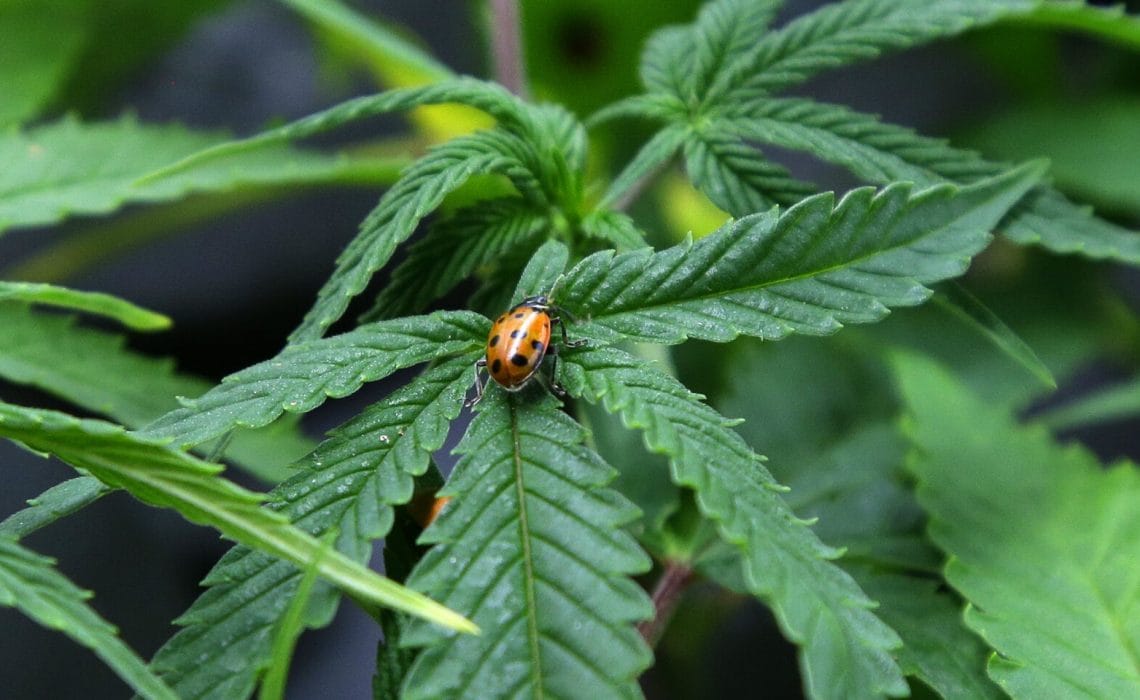
A year ago, Kazakhstan lifted the ban on the cultivation and processing of industrial hemp, paving the way for a new industry. However, the 2026 season passed without a single hectare of crops — despite a pool of projects worth nearly $400 million already assembled for future production. The gap between permission on paper and actual fields shows the real stage of the industry's development.
The Gist
- In 2025, Kazakhstan legalized the cultivation and processing of industrial hemp.
- In 2026, no sowing work was carried out, there are no sown areas, and no harvest is expected.
- A pool of 8 projects has been formed with a total value of about $398.4 million and a combined processing capacity of 50,000 tons of hemp per year.
- Products are planned for the textile, pulp and paper, medical, and construction industries.
Permission Granted, Fields Empty
The Ministry of Agriculture of the Republic of Kazakhstan, in response to a request from MIA "Kazinform", confirmed that the cultivation of industrial hemp in the country was not carried out this year. Sowing work was not conducted, therefore there are no sown areas, and a harvest in 2026 is not expected. Formally, the industry has existed since last year, when the state legalized the cultivation and processing of this crop, but so far, the permission has not translated into a single occupied hectare.
Who Plans to Produce What
At the same time, investment interest in the industry has already been generated. The ministry reported a pool of eight projects with a total value of approximately $398.4 million, whose combined processing capacity will be 50,000 tons of hemp per year. The projects are at various stages of development and implementation. They involve the production of pulp and paper products, textile materials — fiber, cottonized fiber, and yarn — as well as products for medical and pharmaceutical purposes and construction composite materials. According to the ministry's assessment, the implementation of these projects will allow the formation of a new high-value-added industry in the country, reduce dependence on imports of pulp and textile raw materials, attract investment and modern technologies, create jobs, and increase export potential.
Rules of the Game for Future Fields
Earlier, the government of Kazakhstan approved requirements for the industrial cultivation of industrial hemp, including the permissible tetrahydrocannabinol content in the plant. The ministry emphasized that after the projects launch, only varieties permitted for industrial cultivation will be used for sowing — that is, those with a low content of the psychoactive substance, which distinguishes such hemp from plants whose circulation remains prohibited.
What It Could Cost in Theory
The question of the profitability of such a crop is not new: we have previously estimated the economics of the hemp business and the potential of wild hemp in the Chui Valley, where calculations involved tens of millions of dollars in profit under a favorable processing scenario. Those calculations were speculative and not tied to specific projects, but the current pool of eight projects from the Ministry of Agriculture fits precisely into this logic — processing raw materials with high added value instead of exporting raw biomass.
Where the First Harvest Is Expected
One of the first regions where a specific project has been announced is Ualikhanov District, North Kazakhstan Region — where the cultivation and processing of industrial hemp is planned. For now, this is more of a point on the map of the future industry than an operating production facility: like the other seven projects in the announced pool, it is at the development stage.
Author's Conclusion
The gap between legalization and the first sowing is a typical stage for a new raw materials industry: while capital calculates project economics and builds processing capacity, the field remains empty. If at least some of the eight announced projects reach the seed procurement stage, Kazakhstan will have a chance to replace part of its imports of pulp and textile raw materials with its own product in the coming years. But for now, this remains an investment intention, not an indicator of sown area.
Comments ()