Kazakhstan proposed creating the first international ISO standard for horse meat products.
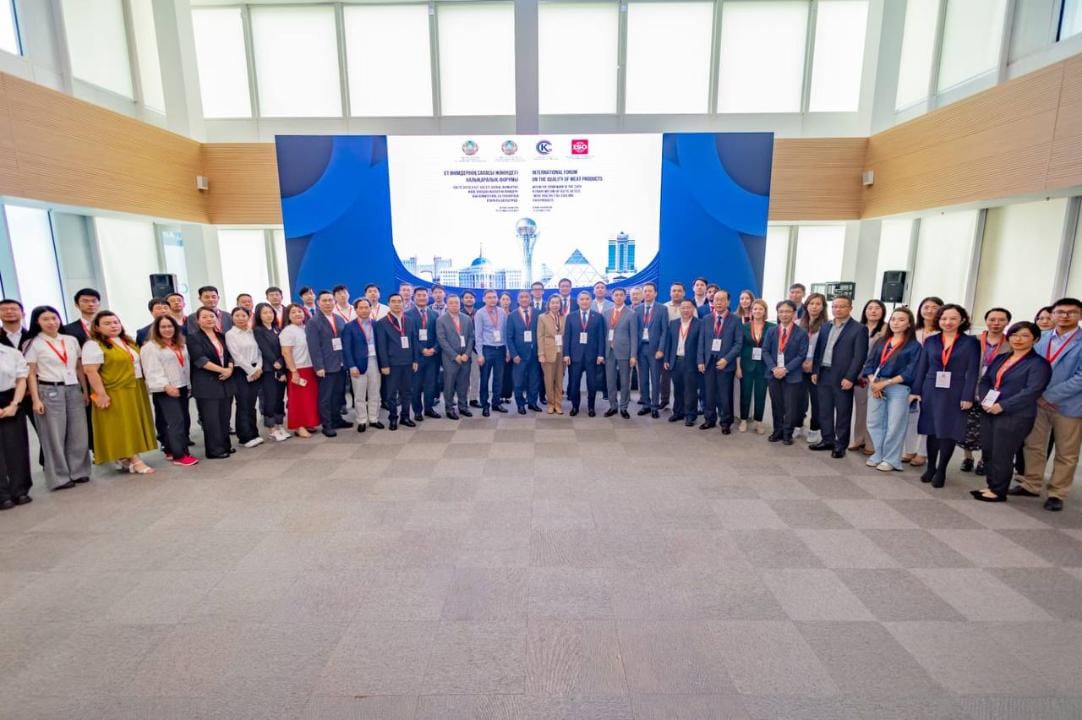
On August 19, Astana hosted the Meat Quality Forum. Kazakhstan's key initiative is to develop the first ISO international standard for ready-to-eat horse meat products.
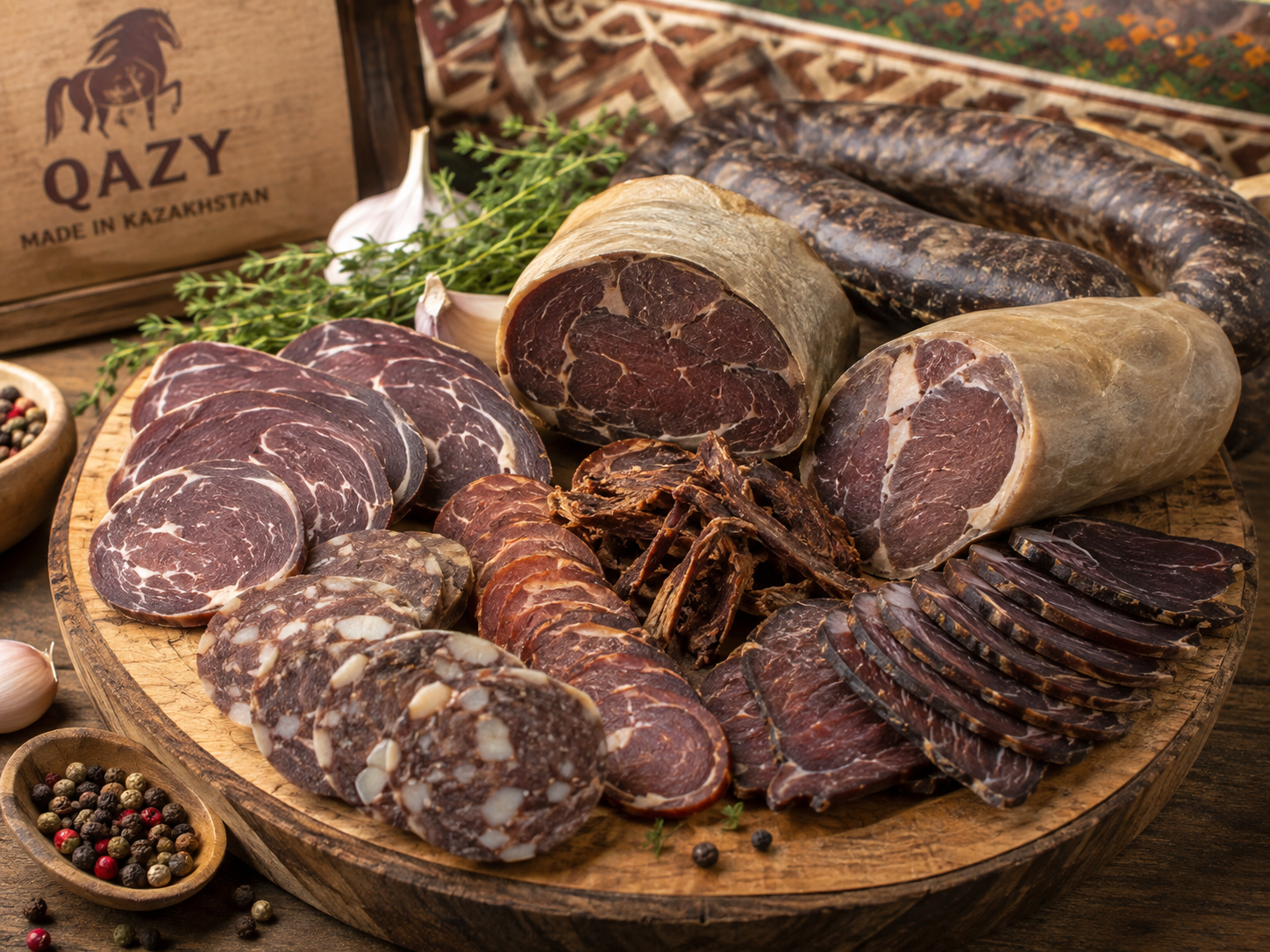
Kazakhstani horse meat producers may get a rare chance — to set the rules of the game for an entire product category at the global level. At the meat quality forum in Astana, Kazakhstan proposed developing the first international ISO standard for ready-to-eat horse meat products, a document that simply does not exist to this day.
The gist in brief
- On August 19, as part of the ISO/TC 34/SC 6 plenary meeting "Meat, poultry, fish, eggs and their products", the Meat Quality Forum was held in Astana, organized by the Committee for Technical Regulation and Metrology of the Ministry of Trade of the Republic of Kazakhstan and the RSE "KazStandard".
- Kazakhstan's main initiative is to develop the first international ISO standard for ready-to-eat horse meat products; no unified international document exists for this category today, which is why countries use different terminology, classification, and labeling, creating barriers to exports.
- The proposed basis is GOST 34921–2023 "National horse meat products", covering kazy, shuzhuk, zhal, zhaya, as well as smoked and sausage products; Kazakhstan is ready to form and lead an international working group.
- This year, the country is participating in the ISO Council elections for the first time and intends to increase the number of domestic experts in international technical committees.
Why horse meat needs a separate standard
The absence of a unified international document for horse meat products is not a technical trifle, but a real barrier for exporters. When each importing country applies its own requirements for terminology, classification, labeling, and quality assessment, the exporter has to adapt products to the requirements of each individual market, which increases costs and reduces the predictability of trade. For Kazakhstan, where the production and consumption of horse meat is part of a centuries-old food tradition, and export volumes of live cattle to China and other countries continue to grow, having a universally recognized international standard could significantly simplify access to foreign markets for finished products, not just raw materials.
What the future standard will include
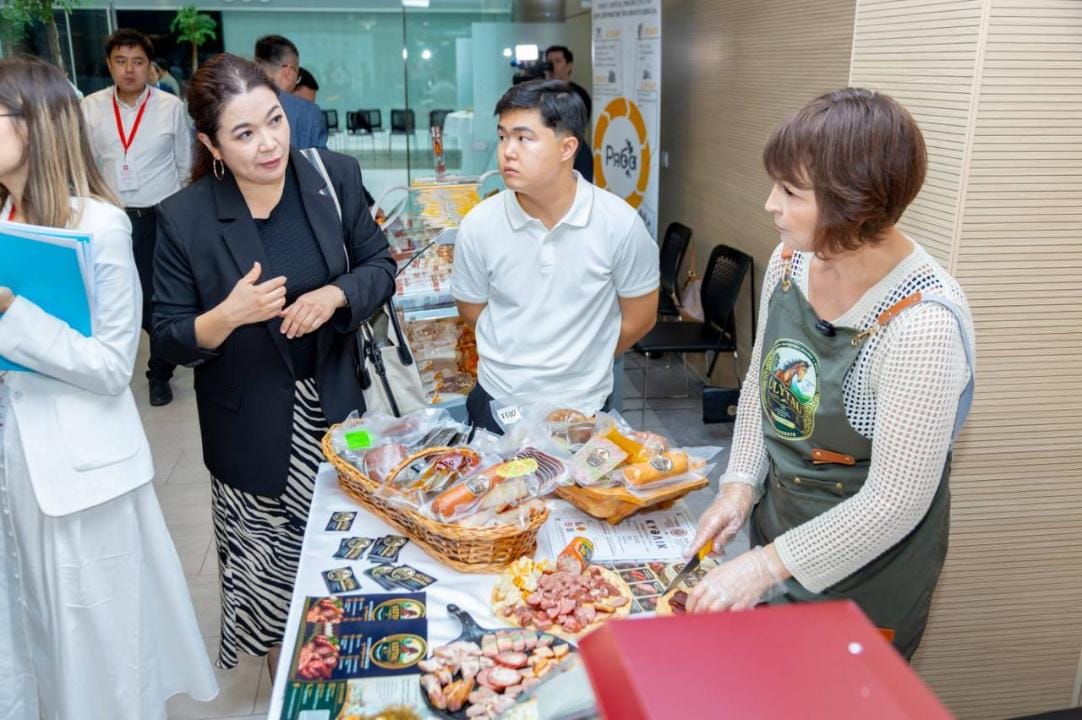
As a basis for the international document, Kazakhstan proposes using the existing national GOST 34921–2023 "National horse meat products. Technical specifications". The future standard may cover traditional Kazakhstani products — kazy, shuzhuk, zhal, zhaya — as well as smoked and sausage products made from horse meat. The fact that an already completed and proven national document is used as the basis, rather than developing one from scratch, increases the chances of relatively quick approval of the draft at the international level.
A broader bid for influence in ISO
The horse meat initiative is part of Kazakhstan's broader strategy to strengthen its voice in international standardization. Deputy Chairman of the Committee for Technical Regulation and Metrology of the Ministry of Trade of the Republic of Kazakhstan Kanat Kabylbekov noted that Kazakhstan's participation in the ISO Council elections would allow it to more actively participate in international decision-making processes and promote initiatives that serve the interests of the domestic economy. Within the same forum, the parties also discussed the development of Kazakhstan's cooperation with China in the field of standardization and conformity assessment — joint research, interlaboratory comparisons, and improvement of testing methods, which is especially relevant given the growing volume of Kazakhstani livestock product exports specifically to China.
Author's conclusion
Kazakhstan's initiative is interesting because the country is for the first time proposing not to join an existing international rule, but to shape one from scratch itself — a rare opportunity for a state that is not among the traditional trendsetters of global standards in the food industry. Success will depend not only on the quality of the draft standard itself, but also on whether Kazakhstan can convince other horse meat-producing countries to support the Kazakhstani version of terminology and classification — and that is a matter of diplomacy no less than technical regulation.

Comments ()