Large investment projects with incentives in Uzbekistan will be required to purchase local electrical equipment
Uzbekistan plans to extend local electrical equipment content requirements to investment projects over $10 million that receive tax breaks or state resources.
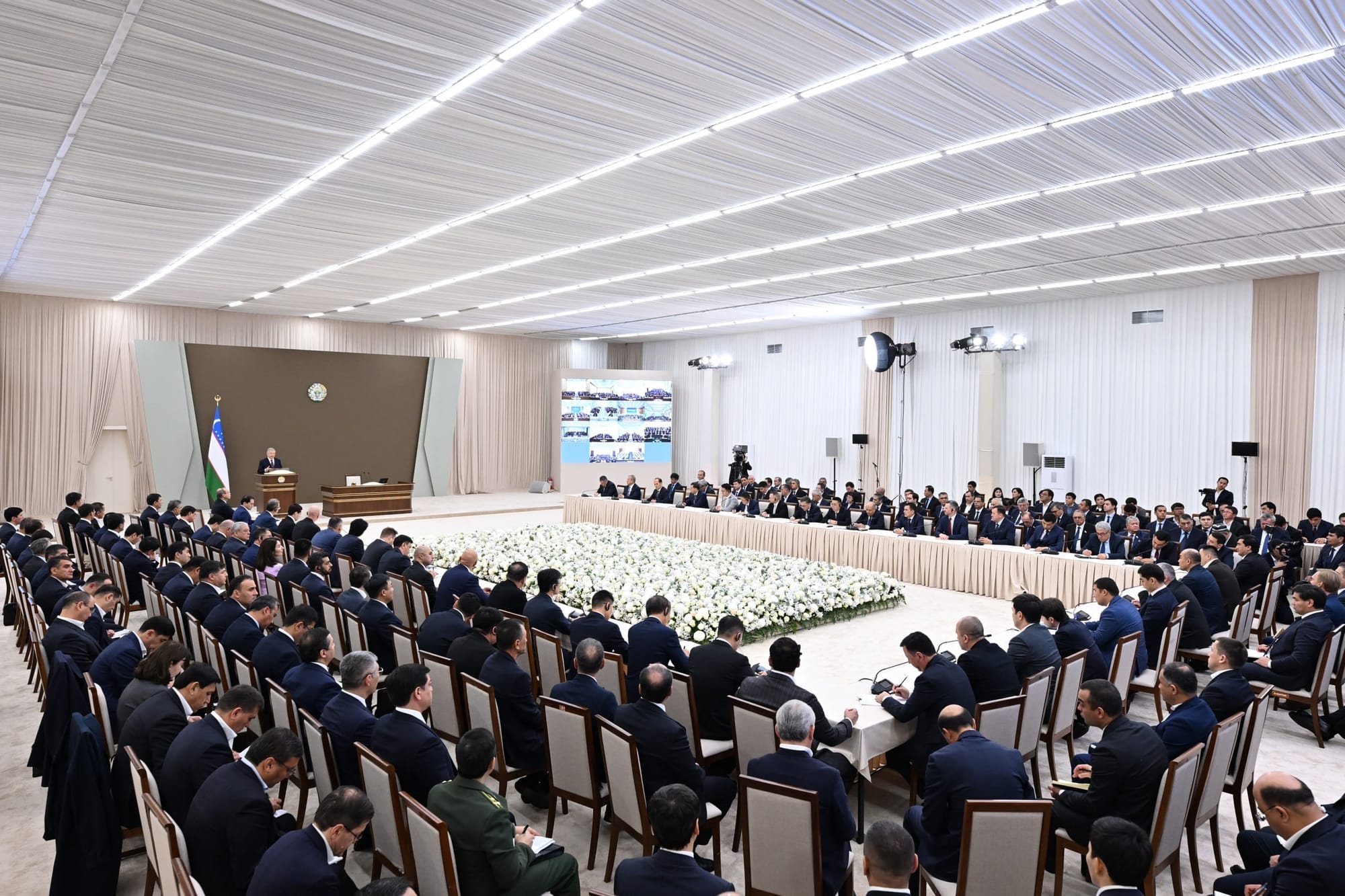
The decisions were announced at a meeting between President Shavkat Mirziyoyev and manufacturers and investors in the industry. This is reported by Yuz.uz.
The essence in brief
- Requirements for local products in public-private partnership (PPP) projects in the energy sector are at least 25%, for cable products - 70%; they are planned to be extended to investment projects worth more than $10 million with incentives.
- State procurement of electrical equipment amounts to about 10 trillion sums per year, three-year procurement plans will be published in advance, and the supplier is planned to be selected based on costs over the entire service life.
- Production of electrical equipment since the beginning of 2026 has reached 50 trillion sums, exports - $1.6 billion against a target of $5 billion.
- Mirziyoyev called for expanding supplies to Central Asian countries and exporting engineering services.
What exactly is required of large projects
Mirziyoyev held a meeting with manufacturers, entrepreneurs and foreign investors at the NURA Electric plant in the Yukorichirchik district of the Tashkent region. Currently, in PPP projects in the energy sector, the share of local products must be at least 25%, and cable products - at least 70%. These requirements are planned to be extended to investment projects worth more than $10 million that receive tax incentives or state resources.
How state procurement will change
Every year the state purchases electrical equipment worth approximately 10 trillion sums. Starting January 1, three-year procurement plans will begin to be published in advance so that manufacturers can plan demand and investments. Instead of selection by the lowest price, they plan to take into account costs over the entire service life: electricity, repairs and maintenance.
What figures were cited for the industry
According to the presidential press service in Telegram, over the past ten years $2 billion has been invested in electrical equipment and 413 production facilities have been launched. The production of more than 100 new types of products has been mastered, including household appliances, solar panels, electronic meters and high-voltage transformers. Production volume this year has reached 50 trillion sums, while in 2016 it was 1.7 trillion. Investment volume is $600 million, exports - $1.6 billion, over ten years it has grown 14 times. Mirziyoyev noted that compared to existing opportunities this is little and the industry needs to be developed faster.
According to Yuz.uz, the export target is $5 billion, 164 projects worth $11.6 billion are planned for the next three years, and energy storage capacity is to be brought to 4.5 GW by 2030.
What Mirziyoyev instructed on markets and engineering
The President called for expanding supplies to the domestic market and to Central Asian countries, exporting engineering services and not just equipment, and increasing the output of spare parts, components and services. He proposed bringing the share of domestic design institutes in energy projects to at least 50%; regional branches will be created for this purpose.
What is happening with equipment localization in Kazakhstan
Kurultai deputy Baktybek Bibayev speaks about the localization of energy equipment production in Kazakhstan: he proposed creating a Center for the Development of Energy Engineering and enshrining localization requirements in contracts for major energy projects. The request was sent to First Deputy Prime Minister Nurlybek Nalibayev. The deputy gave an example: the Karaganda Turbomechanical Plant manufactured a 60 MW steam turbine, but the customer chose a cheaper Chinese analogue.
Author's conclusion
The Uzbek approach strikes precisely at the situation the Kurultai deputy described using the example of the Karaganda turbine: the customer chooses a cheap purchase rather than equipment taking into account costs over the entire service life. In Uzbekistan this is being addressed with two instruments at once: the share of local products in projects with incentives and the life-cycle price in procurement. The indicator here will be the share of local products in the first incentive projects that fall under the new requirement.
Comments ()