Mirages of Turkestan Region – will artificial rain save the southern agricultural sector?
An ambitious rain enhancement project has launched in Turkestan region with UAE engineers, promising more rainfall, reservoir replenishment, and annual crop growth worth billions.
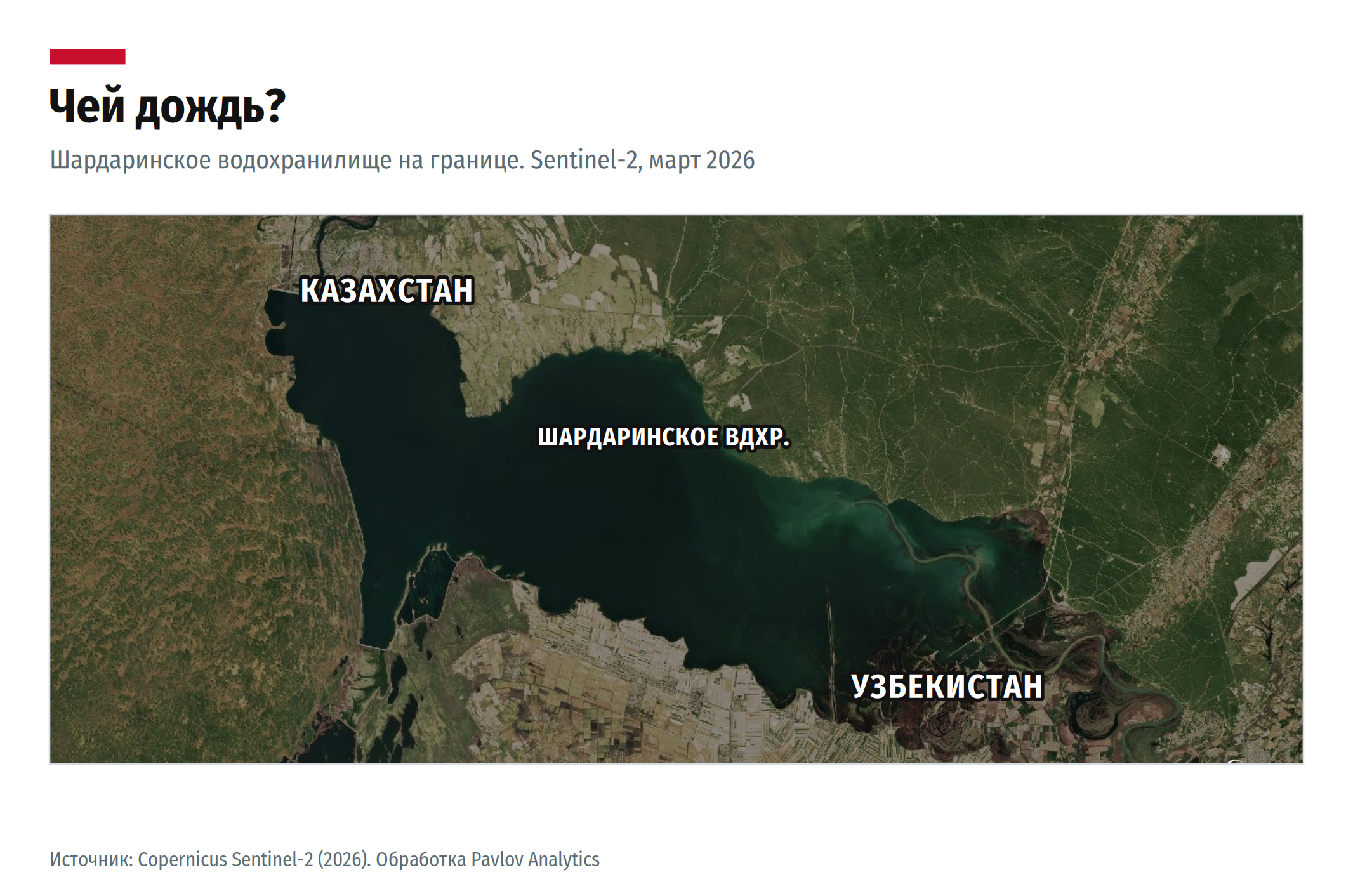
An ambitious project for artificial precipitation enhancement, implemented jointly with engineers from the United Arab Emirates, has officially launched in the Turkestan region. The initiative promises a significant increase in rainwater volumes, the filling of reservoirs, and an annual boost to harvests worth up to 35 billion tenge.
However, a deep audit of open data, satellite imagery, and official statistics conducted by experts reveals a critical discrepancy between the stated goals and the hydrogeological reality of the region.
The Gist
- The program has an extremely limited scope, covering local zones with a radius of about five kilometers, which is insufficient to solve the moisture deficit problem on a regional scale.
- The additional 70 millimeters of precipitation are negated by the heat, as annual evaporation from an irrigated field in the region reaches 1,550 millimeters.
- The main problem for southern fields is critical salinization, which must be addressed by restoring drainage, not by increasing surface water volumes.
- Deploying the technology carries geopolitical risks that could provoke transboundary disputes with neighboring states over accusations of "stealing precipitation."
Scale Contradictions and Lack of Climate Calculation
The organizers position the technology as a targeted local method: one cloud seeding zone is a circle with a radius of just five kilometers. At the same time, the stated goal is to fill the region's largest reservoirs. Hydrogeological reality points to a systemic error in calculations: the water bodies of the Turkestan region are fed by rivers originating in the mountain systems of neighboring states, which is far beyond the range of the generators being used.
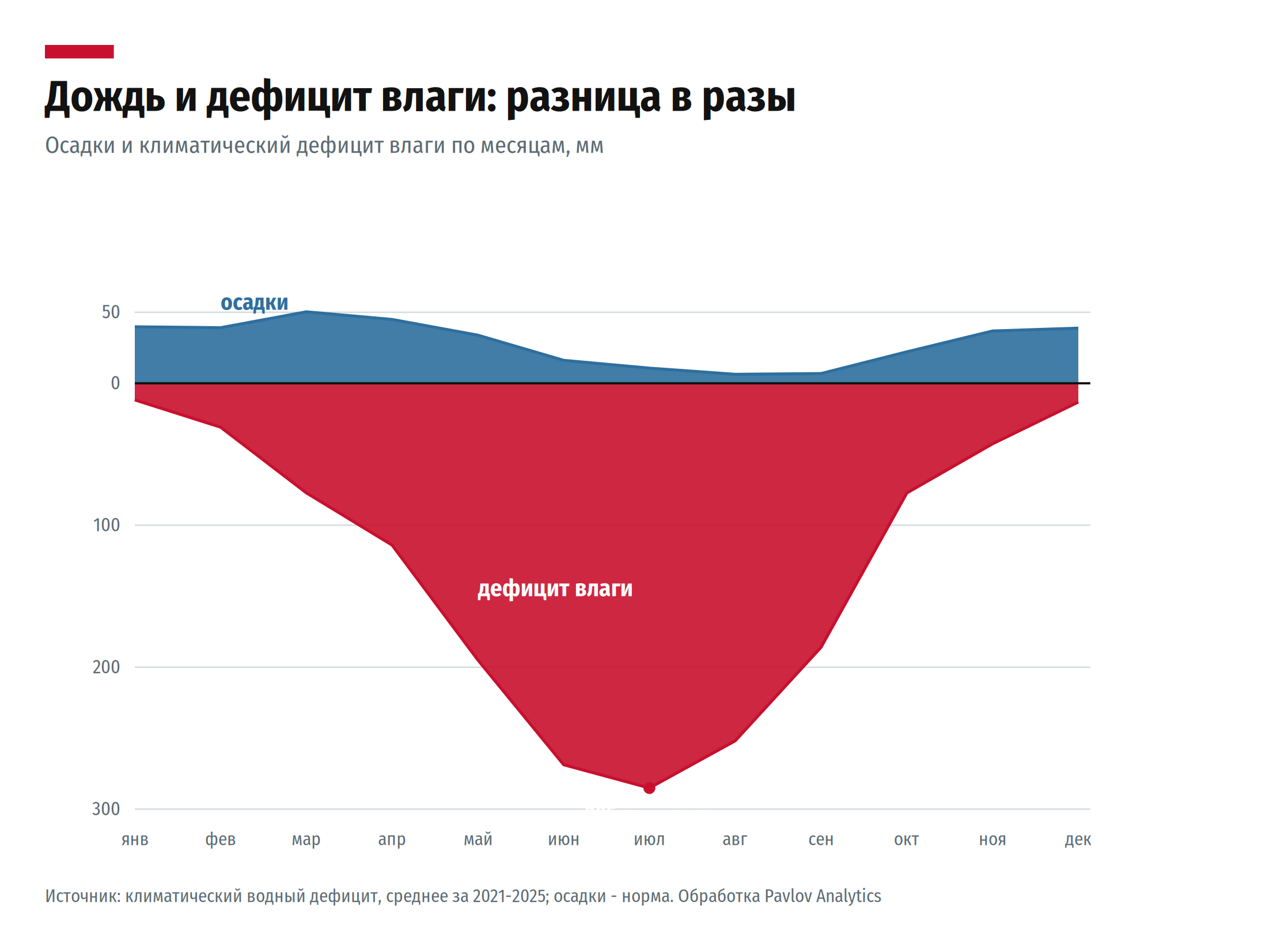
Even the most optimistic scenario, assuming a 20% increase in natural precipitation, yields an addition of only 70 millimeters per year. Meanwhile, the climatic moisture deficit and evaporation on irrigated areas amount to about 1,550 millimeters. This insignificant volume of artificial rain is almost entirely dissolved in the overall deficit, which is traditionally covered by irrigation from river systems, not atmospheric moisture.
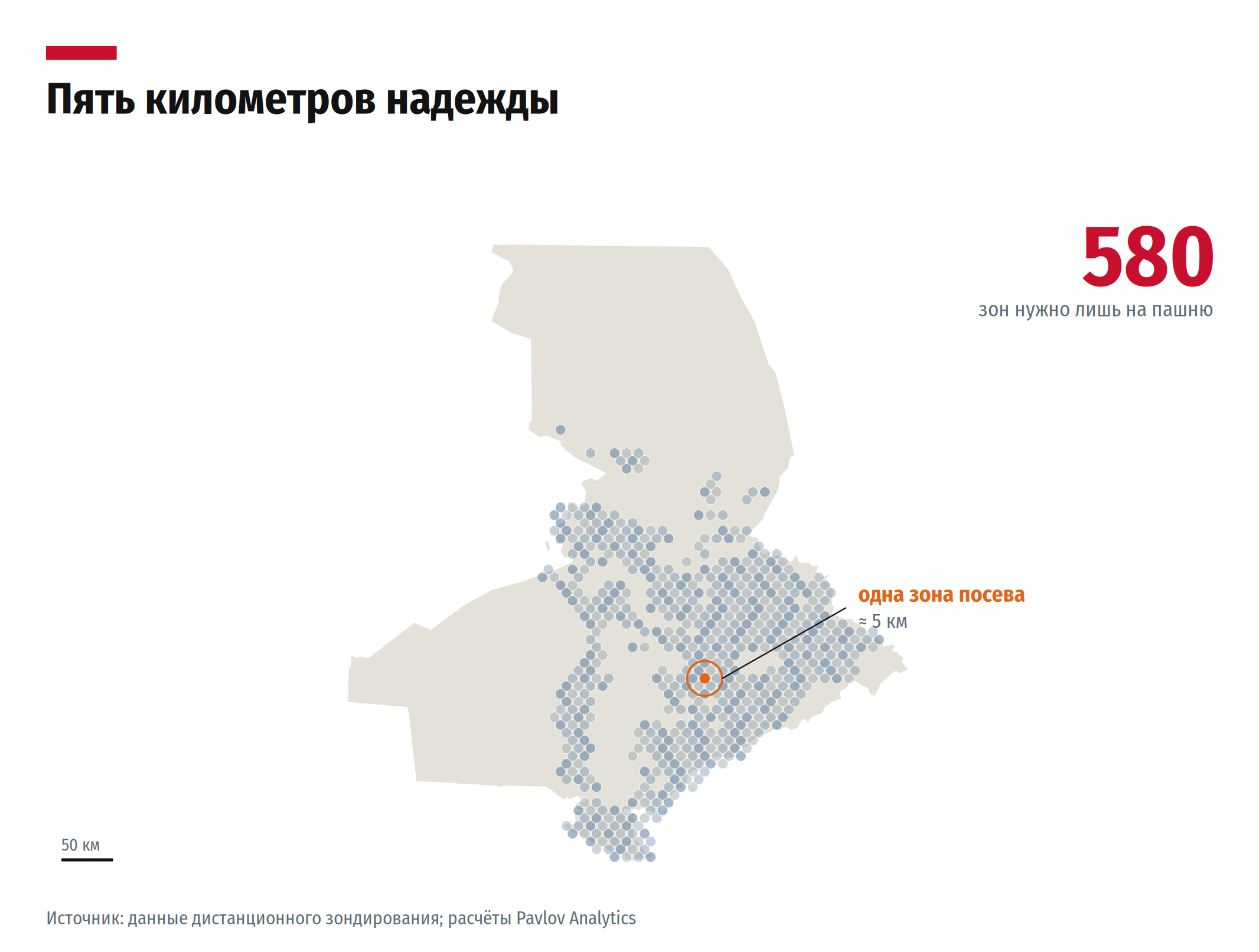
The program itself calls itself modest: one seeding zone is a circle with a radius of about five kilometers, and it clearly doesn't make much of a difference. But the same launch promises to fill reservoirs and relieve drought across the entire region. Yet the water for these reservoirs is brought by rivers flowing from the mountains of our neighbors — far beyond any seeding zone.
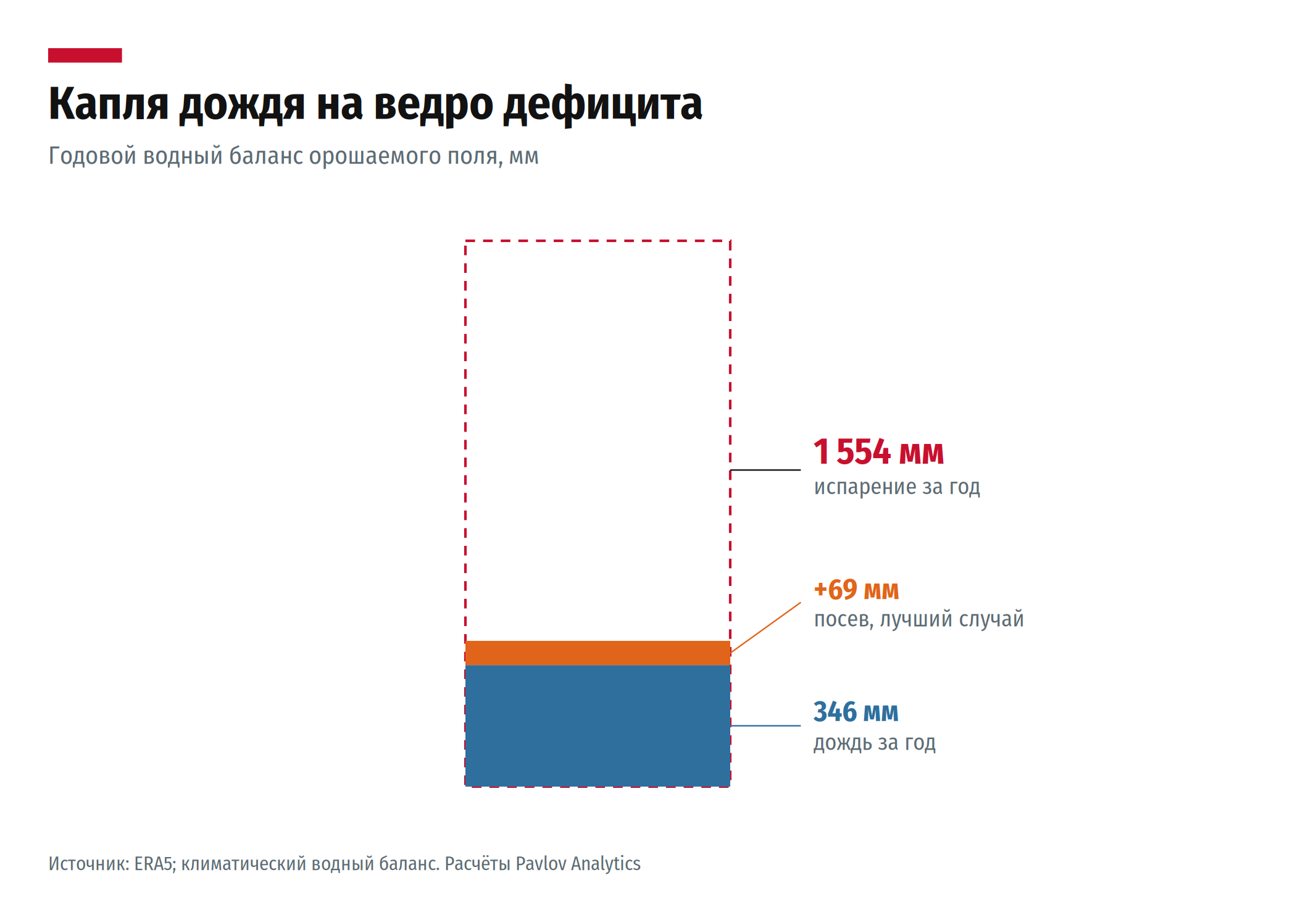
Let's calculate based on the most generous scenario: 20% more rain. That's about 70 millimeters per year. But evaporation and heat take about 1,550 millimeters from the field. This difference is covered not by rain, but by irrigation from rivers, and the added seventy millimeters have almost no effect on it.
To close the gap, the rain would need to increase not by a fifth, but more than fourfold — every year.
The Soil Salinization Factor and Seasonal Cloud Cover Deficit
According to long-term land reclamation studies, the key barrier to increasing crop yields in southern Kazakhstan is not the lack of rain, but the progressive salinization of arable land. Due to non-functioning drainage systems, groundwater rises to the surface, evaporates, and leaves salts in the topsoil. Research funded by the relevant ministry from KazNIIPA confirms that without a functioning water drainage system, any additional moisture, including artificial rain, only accelerates the rise of salts to the root system of plants.

Land reclamation status of irrigated lands:
- 42% of irrigated lands in the Turkestan region are in poor reclamation condition.
- 73.8% of arable land is characterized by critically high groundwater levels.
- The area of saline regions has doubled compared to the end of the last century.
An additional technological dead end is the project's seasonality. The active phase of precipitation enhancement is planned for the summer months — a period when natural cloud cover in the region is practically absent. Cloud seeding technology can only accumulate moisture from existing clouds, not generate them in a clear sky.
Who Will the Clouds Be Stolen From?
Cloud seeding doesn't create rain from nothing — it only squeezes moisture from existing clouds. You can't make a cloud from a clear sky. And the program operates in the summer, during the hottest months, when there is the least rain during the year and the sky is most often clear. There is simply nothing to seed.
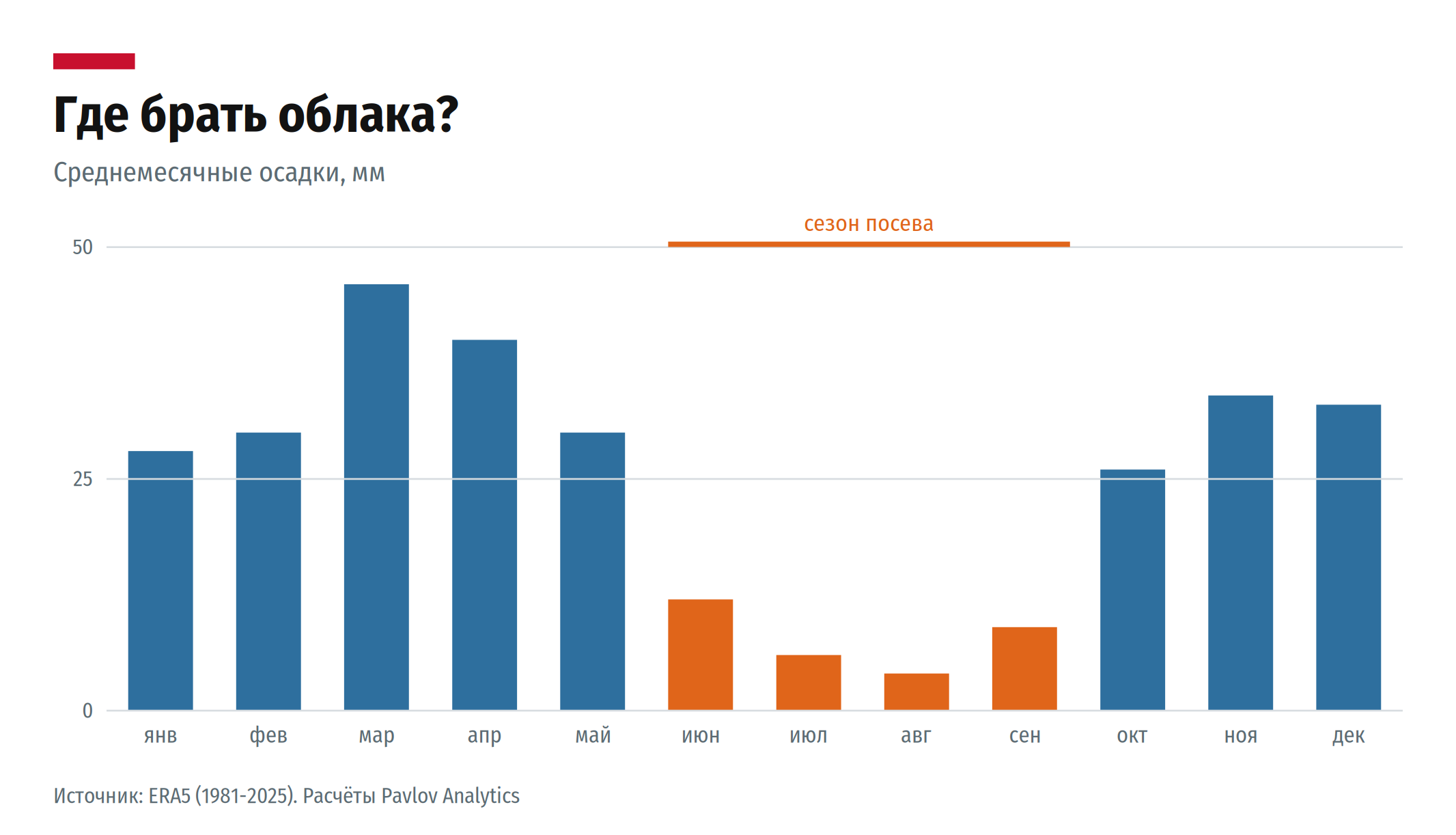
They will try to squeeze rain from clouds that don't exist.
Long-Term Forecasts and Transboundary Risks
NASA climate models (NEX-GDDP CMIP6 projections) show that by the end of this century, precipitation volumes in the region could increase by 9–21%. However, average temperatures will rise two to three times faster (by 24–54%), leading to a multiple increase in evaporation. Thus, technological attempts to increase rainfall ignore the main challenge of the future — extreme temperature growth that pulls moisture from the soil.
In addition to environmental factors, the project touches on the sensitive sphere of cross-border relations. The Turkestan region is located in the lower reaches of transboundary rivers, and the distribution of water resources is strictly regulated by international commissions. Since atmospheric fronts do not respect state borders, artificial intervention in cloud circulation will inevitably provoke accusations from neighboring states of intercepting precipitation, which is confirmed by historical experience of similar conflicts in the Middle East.
Author's Conclusion
Instead of glamorous and expensive technological experiments in storming clouds, the agricultural sector of southern Kazakhstan needs systemic modernization of basic infrastructure. Major repairs of leaky irrigation canals, full-scale rehabilitation of drainage wells, and a gradual transition to less water-intensive crops would cost the budget less, and their effectiveness is proven by years of hydrogeological practice.


Comments ()