New York becomes first in US to ban construction of large data centers — due to electricity bills and threat to water resources
New York Governor Kathy Hochul imposed a one-year moratorium on large data center construction — the first such ban in U.S. history.
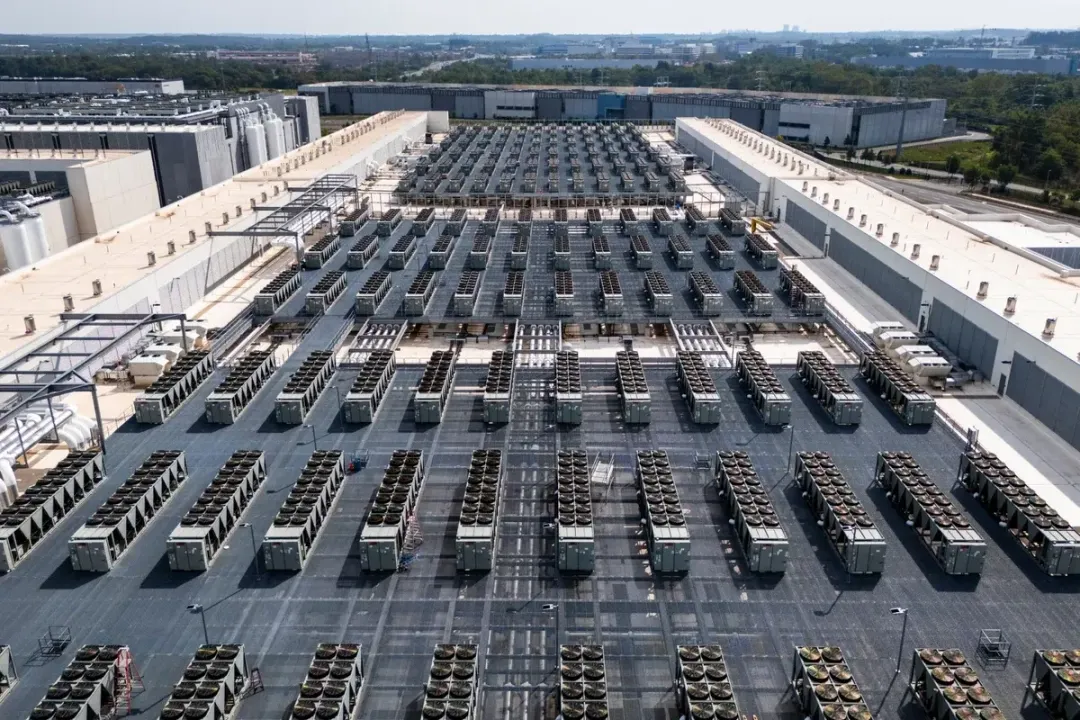
Facilities with an electrical load of 50 MW or more fall under the restriction. The reason is residents' complaints about rising electricity bills, noise, and strain on water resources, reports Naked Science. Until the moratorium is lifted, authorities must develop unified environmental standards for the entire industry. For Kazakhstan, which positions itself as a regional IT hub and actively attracts investors to data centers, the American precedent is a signal that uncontrolled digital infrastructure will sooner or later encounter a regulatory barrier.
The Gist
- New York has become the first US state to introduce a full moratorium on the construction of large data centers — facilities with a load of 50 MW or more.
- The moratorium is in effect for one year. During this period, the New York State Department of Environmental Conservation will not issue permits for new projects.
- Main reasons: rising electricity bills for ordinary consumers, noise pollution, and strain on water resources.
- The moratorium will only be lifted after the approval of unified standards for new data centers, including environmental impact assessments.
- According to a recent poll, only a third of Americans support the current pace of data center construction; a majority would oppose such a facility in their neighborhood.
Why New York — and Why Now
New York is not the only state where discontent with data centers has been voiced. Dozens of legislative assemblies across the country have already considered restrictive measures — but New York is the first to commit to a full moratorium. Maine came close to a similar decision in April 2026, but Governor Janet Mills vetoed the relevant bill.
In New York, the political calculus turned out differently. The massive construction of data centers in recent years has been accompanied by growing public dissatisfaction: the facilities generate high noise levels, consume enormous amounts of water for cooling, and — particularly painful for households — drive up electricity tariffs.
What Will Happen During the Moratorium
Governor Hochul has instructed relevant agencies to develop a document with unified standards for new data centers — requirements for noise levels, water consumption, grid load, and environmental impact assessment. The moratorium can only be lifted after these standards are approved.
In parallel, Kathy Hochul has stated her intention to seek the repeal of some tax breaks for data centers — meaning a revision of the incentive system that initially made the state attractive for this industry.
An important nuance: the ban will not affect projects that have already received approval at the time the moratorium was introduced. This means some planned construction will continue — but new applications are frozen.
Context: The AI Boom and Its Cost for Grids and Wallets
Behind the moratorium is a global trend: the rapid growth of AI technologies has required a massive expansion of computing infrastructure. In the US alone, investments in data centers totaling hundreds of billions of dollars have been announced. All this capacity needs to be located somewhere — and large states with developed infrastructure have become the main points of attraction.
The problem is that the growth in data center energy consumption puts pressure on regional power grids and disproportionately shifts some infrastructure costs onto ordinary consumers through tariffs. Comparable problems are being recorded in Ireland, Singapore, and the Netherlands — countries that have become major hubs for data center concentration.
Kazakhstan Context
Kazakhstan has consistently positioned itself as a regional IT hub and a data center location center for Central Asia. The government has developed a program for the development of data center infrastructure, and the country has the "Astana — New City" SEZ with a preferential tax regime for digital businesses.
We have previously written about how AI infrastructure consumes colossal amounts of water for cooling — in the context of water stress in Kazakhstan, this is not an abstract risk. The New York moratorium shows that even in wealthy states with developed infrastructure, the pace of data center expansion can outstrip the regulatory system's ability to manage its consequences. For Kazakhstan, where the regulatory framework is still being formed and water resources are limited, it is better to address the issue of standards for data centers before it becomes a problem.
Author's Conclusion
The New York moratorium is not an anti-tech gesture, but a signal that digital infrastructure has reached a scale where it requires the same careful regulation as energy or water supply. Kazakhstan, while attracting data centers as an investment priority, must simultaneously establish standards for their impact on the power grid, water, and residents of surrounding areas — while there is an opportunity to do this proactively, rather than reactively.



Comments ()