Oil giants ramp up production: who will pay for the climate crisis
Despite scientific consensus that burning fossil fuels worsens the climate crisis, major oil companies plan to boost production. This raises questions about their impact amid record temperatures and climate disasters.
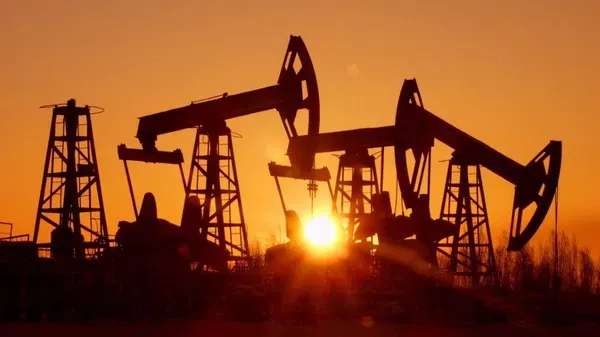
The world's largest oil companies continue to ramp up production, extracting record profits from a situation that threatens the planet's future, The Guardian reports.
In a nutshell
• Oil corporations plan to increase production despite climate commitments.
• The Northern Hemisphere is suffering from abnormal heat with record temperatures.
•Cases of heatstroke, children dying in closed cars, and fires have become more frequent.
• The question of the oil sector's responsibility for the consequences remains open.
The Climate Paradox
While heat domes cover a significant part of the Northern Hemisphere and thermometers break historical records day after day, oil companies continue to operate as usual.
Hospital wards are overflowing with heatstroke victims, emergency services are battling wildfires, and children are dying in closed cars.
Instead of reducing production and compensating for the damage caused by their activities, oil giants are increasing output. A logical question arises: why are companies whose products directly contribute to the climate crisis not held responsible for the consequences?
Threat to Central Asia
For Kazakhstan and the countries of Central Asia, the situation is particularly critical. The region is already facing accelerated glacier melting, droughts, and desertification. If global emissions are not reduced, the consequences for agriculture and water security will be catastrophic.
Rising temperatures directly threaten food security: the yields of major crops are declining, while the need for irrigation increases as water resources shrink. Livestock farming suffers from heat stress in animals and pasture degradation.
Who Will Foot the Bill
While oil corporations reap superprofits, the main burden of climate change falls on the shoulders of developing countries and vulnerable regions.
Kazakhstan, being a major hydrocarbon producer, finds itself in a dual position: on the one hand, the need to diversify the economy, and on the other, dependence on oil and gas revenues.
The issue of fair distribution of climate responsibility is becoming increasingly acute. The international community has yet to develop mechanisms that would force oil companies to compensate for the damage caused by their activities.
Author's Conclusion
While the world watches record heat and fires, oil giants continue to increase production without bearing responsibility for the consequences. For Central Asia, where climate risks are particularly high, this imbalance could result in serious economic and social upheaval. The question is not whether a climate catastrophe will occur, but who will pay for it, and when.
Comments ()