SCO proposed creating joint ventures for the extraction of critical minerals
SCO countries discussed moving from talks on mineral resources to concrete mechanisms for joint work with them.
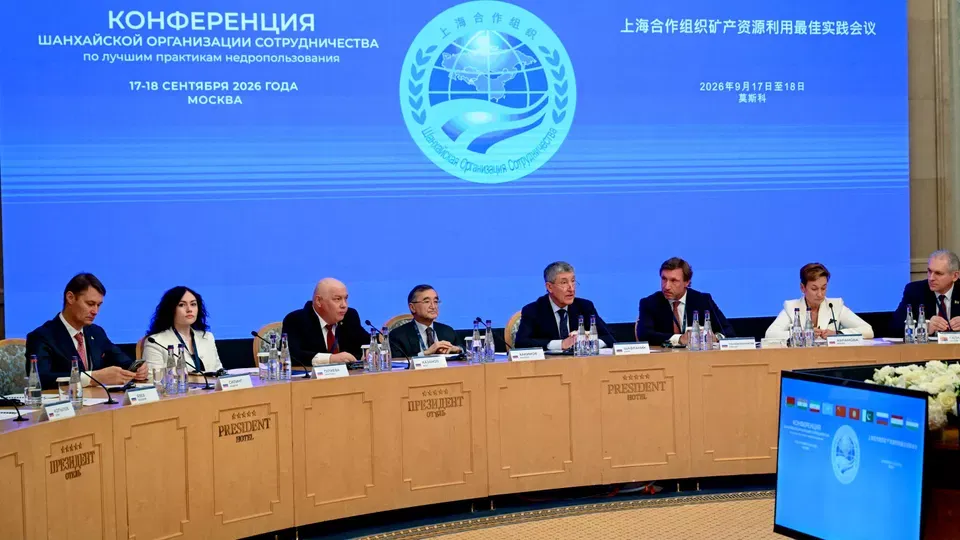
There are no concrete agreements following the meeting yet, but the list of instruments under discussion shows the scale of possible cooperation, writes DKNews.
The gist in brief
- On September 17–18, 2026, the SCO Conference on Best Practices in Subsoil Use was held in Moscow with the participation of representatives of government bodies, academia and business from the member states, observers and dialogue partners of the organization.
- Participants discussed the creation of joint ventures and consortia for the development of deposits, interstate geological exploration programs, joint expertise and technology exchange — a separate block was dedicated to deep processing of mineral raw materials.
- Critical minerals were made a separate track: international mechanisms for their development were discussed, but there are no concrete agreements, projects or distribution of deposits yet — this is about an initiative and further elaboration.
- A separate initiative of the conference was the formation of a network of educational and technological centers for the SCO mining industry, including expanded interaction between national geological services and joint training of engineering personnel.
From experience exchange to joint deposits
SCO Secretary-General Nurlan Yermekbayev, in a video address to the participants, drew attention to the natural resource, scientific, technological and production potential of the member states, singling out industrial cooperation, investment, the introduction of modern technologies, deep processing of raw materials and critical minerals among the priority areas. SCO Deputy Secretary-General Oleg Kopylov, opening the plenary session "Commonwealth of Subsoil," spoke of the need to move to concrete areas of interaction that bring together the resources, competencies, investments and human capital of the member states — that is, from a platform for exchanging experience to practical joint projects.
Part of an already familiar Kazakh track
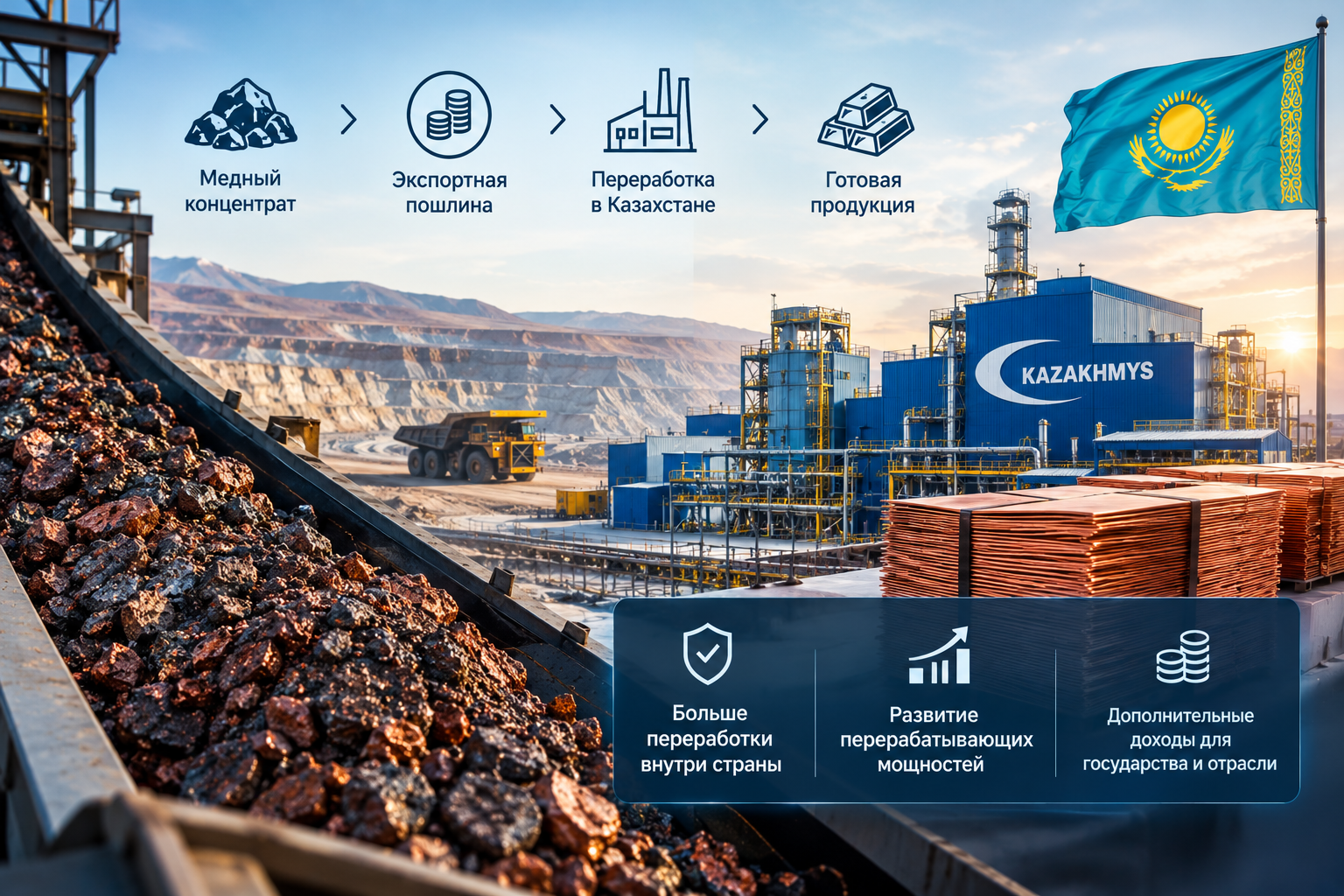
The topic of critical minerals is far from new for hunn.kz readers — we have already examined how Kazakhstan is moving from simple exports of rare earth raw materials to processing them within the country, and how the country entered the top three world leaders in tungsten mining and officially stated its unwillingness to become a supplier of cheap raw materials for foreign investors. It is also telling that the SCO Secretary-General, who is promoting this agenda at the level of the entire organization, is a citizen of Kazakhstan: the country turns out to be not just a participant in the regional cooperation under discussion, but in many ways its organizational driver. The instruments discussed at the Moscow conference — joint ventures, interstate geological exploration, technology exchange, training of engineering personnel — directly echo the tasks that Kazakhstan is already addressing in a bilateral format with individual countries and companies.
So far only an initiative, not agreements
It is important to understand the real status of the arrangements: the published SCO statement does not contain a list of approved projects, investment volumes or launch dates for joint ventures. Following the two-day conference, the participants recorded only their interest in creating a permanent channel of professional interaction in the mining sector and the expediency of regularly holding such events under the auspices of the SCO. The next practical milestone is translating the discussed initiatives into concrete agreements on geological exploration, processing, technologies and critical minerals proper.
Author's conclusion
The Moscow conference is a typical example of the early stage of international industry cooperation: an extensive list of topics and instruments with a complete absence of concrete binding agreements. This does not make the meeting meaningless — the formation of a common conceptual field and a permanent channel of interaction often precedes real joint projects — but it also does not turn it into a ready-made result. For Kazakhstan, which is already building its own strategy in the field of critical minerals at the national level, the SCO regional platform could become an additional instrument if the initiatives of the Moscow meeting really grow into concrete agreements rather than remain at the level of declarations of intent.
Comments ()