Stepnogorsk Rare Earth Metals Plant to Receive $150 Million in Investment
Australia's Lindian Resources will invest $150M in a rare earth processing plant in Stepnogorsk.
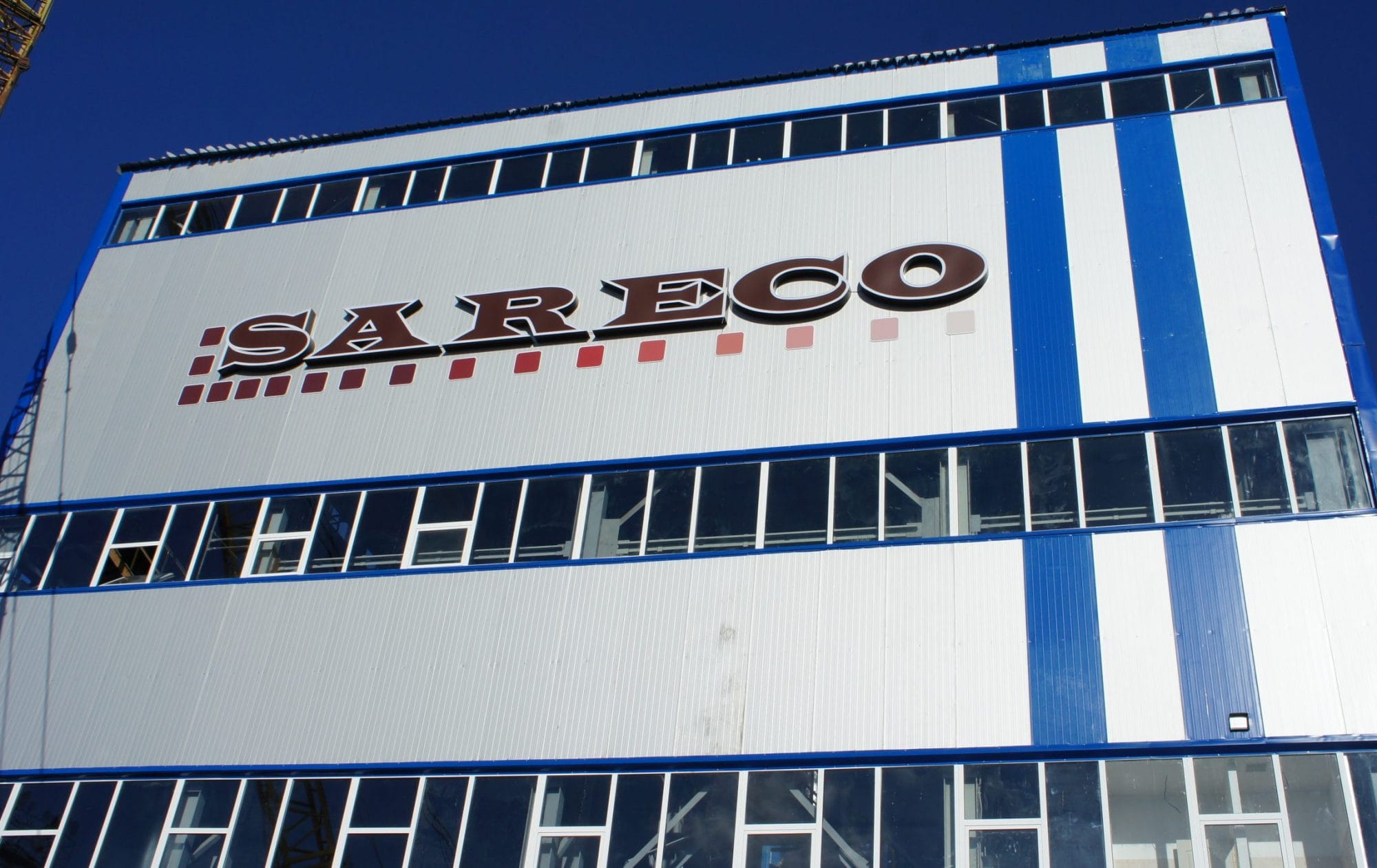
The enterprise previously belonged to Kazatomprom and Japan's Sumitomo. According to the company, its feedstock will be concentrate from Malawi.
The gist in brief
- Lindian, through its subsidiary Silkway Metals, will invest $150 million in the Stepnogorsk plant in the Akmola region: about $50 million to upgrade the existing enterprise and $100 million for a new workshop.
- The project is designed for 2026-2028, with 228 jobs being preserved.
- The plant produces mixed rare earth carbonate, an intermediate product for magnets.
- According to Lindian, it will process about 12,500 tonnes of concentrate per year from Malawi.
What will be built
The project involves upgrading the plant and building a new workshop. As Kursiv reports, citing the Akmola region akimat and the company's annual report, preparatory work has already begun. The plant produces mixed rare earth carbonate, an intermediate product from which materials for permanent magnets are then made. Such magnets are needed in electric vehicles, electronics and other equipment.
According to the akimat, the design capacity is 12,500 tonnes per year, with planned output of 8,000 tonnes annually. After reaching design capacity, additional jobs will be created. Regional akim Marat Akhmetzhanov discussed the project with Silkway Metals CEO Dinmukhammed Madzhanov and said the akimat would support it at all stages. He noted that Stepnogorsk has energy capacity and a new industrial zone.
How the company acquired the plant
The Stepnogorsk plant was created in 2010 by Kazatomprom and Sumitomo, and the enterprise opened in 2012. In March 2026, Lindian signed a binding agreement to purchase the plant through a joint venture with Kazakhstan's RA-Group, in which it held 51%. In August, the company reported that it was buying out the remaining 49% and acquiring 100% of the SARECO complex. In Lindian's release, the deal amount is $20 million in cash. Some industry publications write that RA Group will receive up to another $22 million in shares and share rights, meaning the total could reach $42 million, so the details of the calculations should be clarified with the company. The deal included production assets, equipment, land and buildings.
Where the feedstock will come from
According to Lindian, the plant will be supplied with concentrate from the Kangankunde deposit in Malawi, about 12,500 tonnes per year. In tests by the Australian institute ANSTO, 98% of neodymium and praseodymium, the main metals for magnets, were extracted from such feedstock. The company plans the first processing at the plant in the fourth quarter of 2026. The company is also assessing the possibility of using other feedstock within the country.
What this means for Kazakhstan
The authorities say they want to not just sell ore, but process it within the country: more than 120 rare earth metal deposits have been identified in the country, and the plan through 2028 includes growth in the production of rare and rare earth metals of at least 40%. The Stepnogorsk project gives the country ready processing capacity, but so far using imported feedstock.
Its own resource base is also growing: in 2024-2025, Kazakhstan increased its reserves of gold, copper and rare earth metals. The most promising site was named Kuyrektykol in the Karaganda region. Many years may pass between the registration of reserves and extraction.
Author's conclusion
The Stepnogorsk plant shows that rare earth metal processing capacity already exists in Kazakhstan. The question is what feedstock it will operate on: currently the company is counting on concentrate from Malawi, while the use of Kazakh feedstock is only being considered.
Comments ()