The world's largest saiga breeding center opened near Astana
Near Astana, the world’s largest saiga breeding center opened: over 200 hectares, 250 animals, pristine steppe, and equipped watering. Saigas aren’t “managed” here—they’re raised. A fundamentally different story.
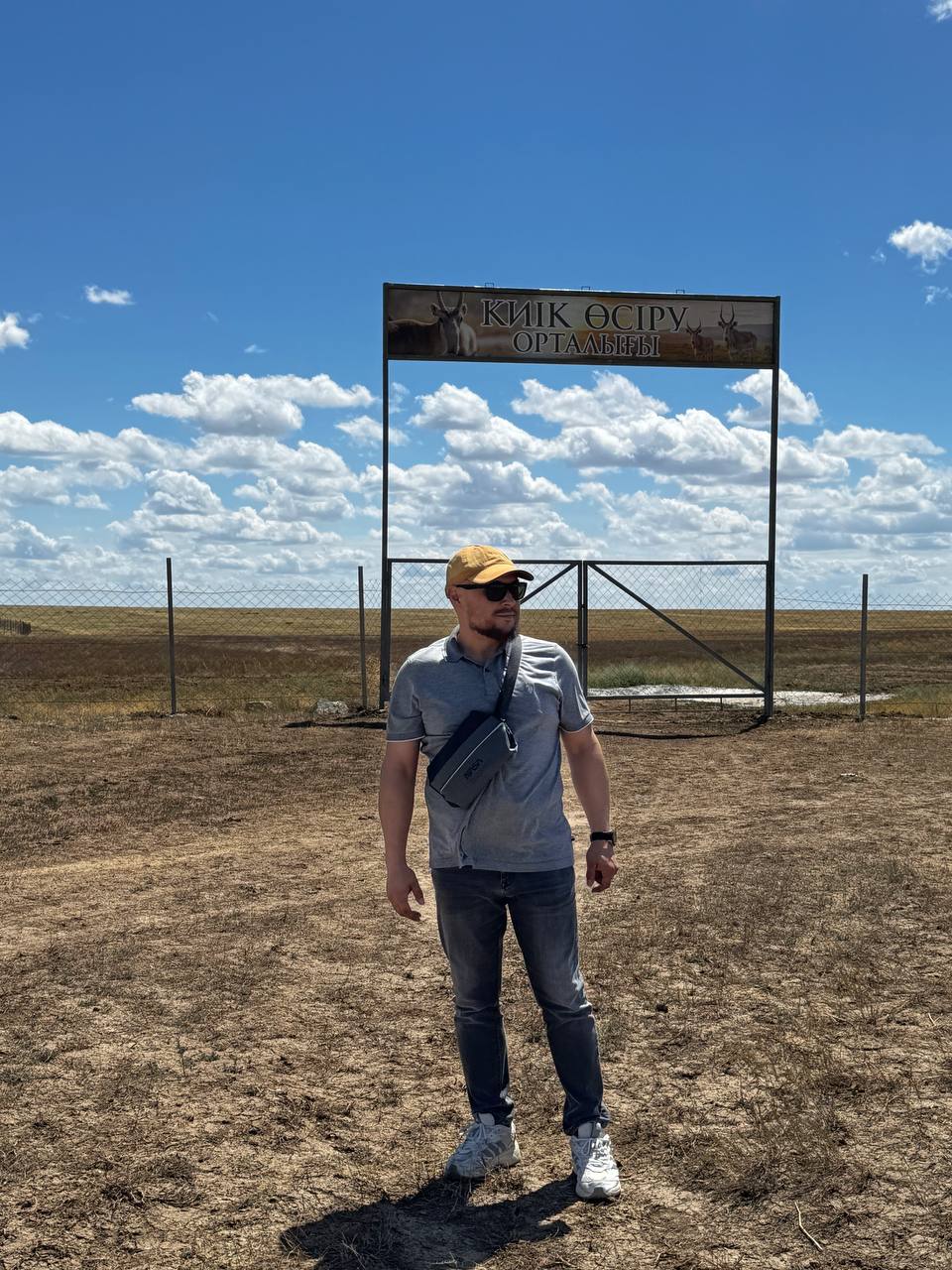
The author of the Telegram channel Kazakh Chuvash shared his impressions of visiting the world's largest center for the artificial breeding of saiga antelopes.
The Gist
- The center is located near Astana, the enclosed area covers over 200 hectares, and the herd numbers about 250 individuals. Natural conditions have been created for the animals: steppe, a familiar diet, and a watering hole.
- The saigas have adapted to the presence of humans and display natural behavior — without signs of stress.
- The business logic of the project: legal export of saiga horns — a valuable derivative with stable demand in traditional Chinese medicine — provided the herd is self-bred.
- Compliance with veterinary standards and quality control of the feed base ensures the project fully meets the requirements of the international convention CITES on wildlife trade.
- The author of the publication — the agronomist blogger of the "Kazakh Chuvash" channel — visited the center in person and described the approach as "a true transition to conscious nature management."
From Helicopter Counting to Industrial Breeding
"Until recently, all we knew how to do with saigas was count them from a helicopter window and regulate their numbers using very questionable methods that raised numerous questions from both ecologists and the public. Against this backdrop, the rare private nurseries stood apart, where enthusiasts spent years trying to do what was considered almost impossible — domesticate our sensitive steppe antelope and learn to breed it in captivity. And while the idea of full domestication (to the state of docile livestock) remains debatable due to the wild instinct ingrained genetically, the second task — controlled semi-wild breeding — can be said to have succeeded," writes the creator of the Telegram channel Kazakh Chuvash, Kirill Pavlov.
An Honest Business Philosophy
Demand for horn raw materials in traditional Chinese medicine is consistently high. At the same time, the wild saiga population is vulnerable — epizootics, dzuts, poaching, floods. The nursery population is free from most of these risks: no predators, poachers, harsh winter dzuts, or blocked migration routes. In this sense, the conditions here are "greenhouse" — and that is a plus, not a minus.
"The business philosophy and concept of the project itself are very close to me. The logic here is simple and honest: if you want to make money from exporting valuable derivatives (primarily saiga horns, demand for which in traditional Chinese medicine is consistently high) — breed them yourself. Take on all the risks and responsibility: ensure veterinary safety, control the quality of feed and living conditions. This is a civilized approach — not to take from wild nature, not to encroach on what the Almighty created, but to create and multiply yourself," believes Kirill Pavlov
Prospects from a Scientific Perspective
From a zootechnical point of view, the prospects are significant. Provided four key conditions are met — proper management methods, a sufficient feed base with winter reserves, strict veterinary control, and protection from specific infections — the growth in herd numbers can surprise even skeptics.
When the nursery's breeding stock begins to grow steadily, there will be no questions from international conventions, including CITES, regarding the legality and sale of the products. This is a clean, transparent, and ethical business with high added value within the country — and a completely exclusive product.
Author's Conclusion
Creating a managed population and transitioning to industrial game breeding is technologically and mentally an order of magnitude more complex than "regulating" or hunting wild animals in the steppe. And this is precisely what makes the project near Astana truly significant. This is a transition to conscious nature management and sustainable development — not on paper, but in a real feather-grass steppe covering 200 hectares.

Comments ()