UMZ seeks beryllium, tantalum and niobium in Karaganda region — warehouse stocks are declining
The CIS's only and one of the world's largest rare refractory metals processing plants will launch its own geological exploration.
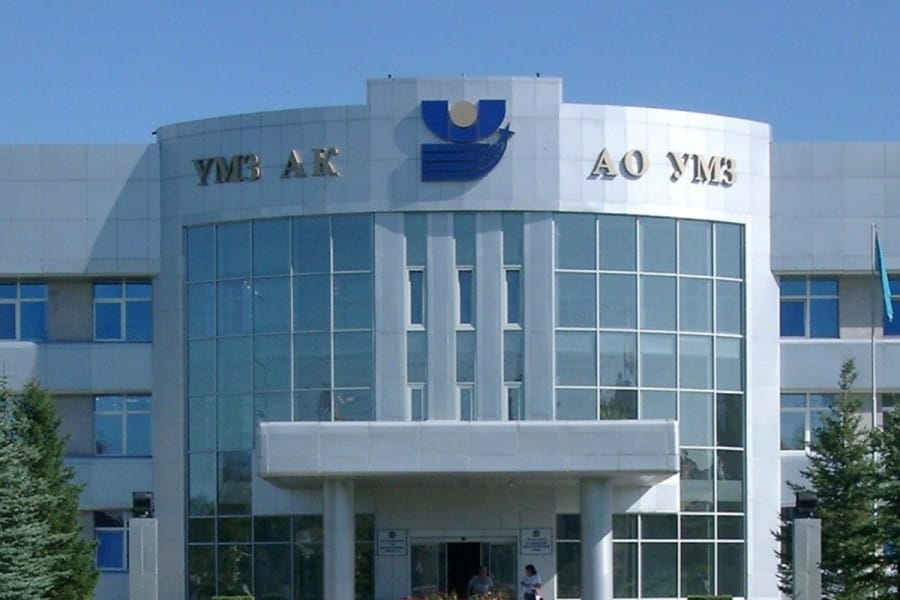
The Ulba Metallurgical Plant for years processed beryllium, tantalum and niobium, which came mainly from outside. Now the warehouses are emptying, and the plant is returning to its own geological exploration — at a site that began to be studied back in the 1950s, Qazba.kz reports.
The essence in brief
- The Ulba Metallurgical Plant (UMP), a structure of Kazatomprom, will begin exploration for beryllium, tantalum and niobium at the Vostochny-1 site in the Shet district of the Karaganda region; public hearings are scheduled for late October.
- The exploration license No. 3268-EL was obtained back in May 2025; the plan is designed for research.
- According to Qazba.kz, the warehouse stocks of beryllium, tantalum and niobium at the UMP have been declining in recent years, so the plant is diversifying its raw material base — simultaneously through exploration and extraction within the country and through imports from abroad.
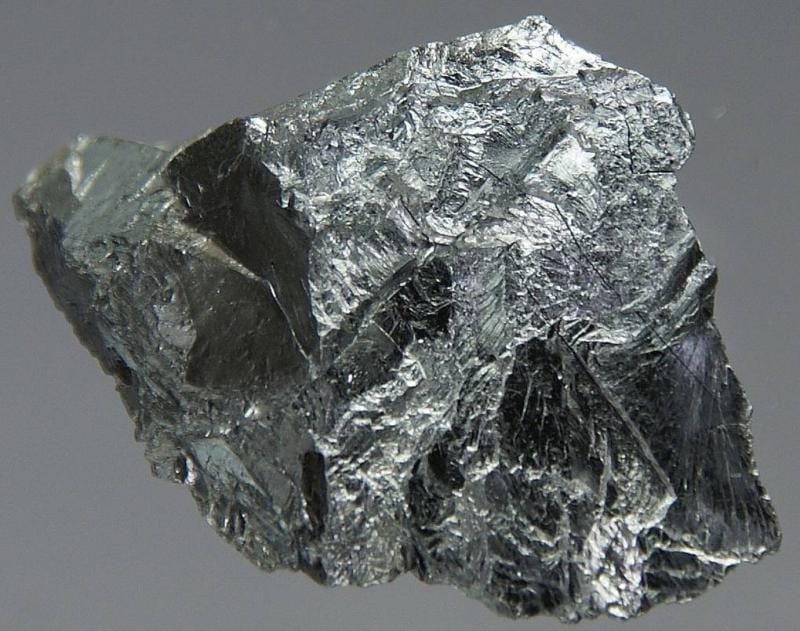
- The initial geological exploration work at this site was carried out back in the 1950s–1960s; in borehole No. 2, a beryllium oxide concentration of up to 0.251% was previously recorded, and gamma-neutron logging confirmed that mineralization persists to depth.
What the new exploration will show
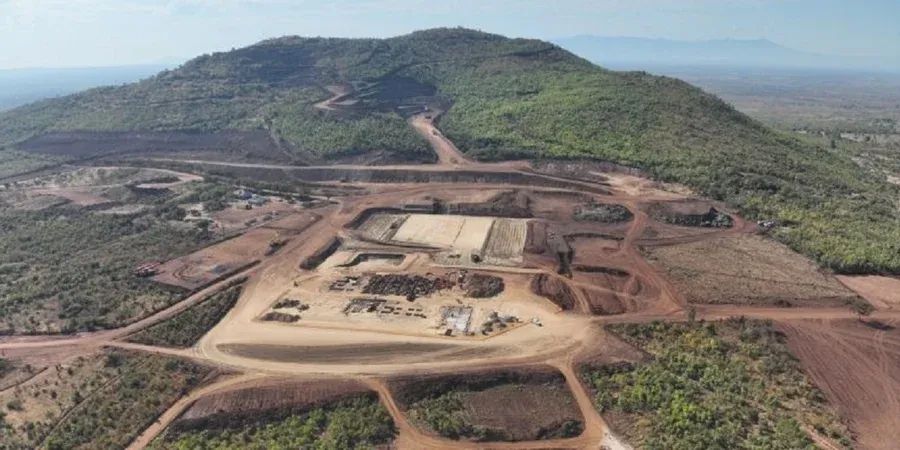
The Vostochny-1 site occupies only 4.5 sq. km — it is about 3 km from the nearest village of Taldy, and 1.8 km to the river of the same name. The study will begin with a topographic survey by drone: aerial photography, construction of an orthophotomap and a digital terrain model are needed for precise positioning of future mine workings and boreholes. Route studies will be reconnaissance in nature — their main task is not to discover something new from scratch, but to map already excavated trenches and find historical drilling boreholes in order to clarify the actual position of ore zones. A significant part of the area, according to the plan's developers, remains insufficiently studied precisely because of being overlain by loose deposits, which reduce the effectiveness of surface prospecting methods.
Why the plant is returning to its own raw materials
The key detail explaining the very logic of the project is not geological, but supply-related. The UMP for years processed beryllium, tantalum and niobium that came from outside, but the warehouses of this raw material have been shrinking in recent years. Returning to exploration more than half a century after the first studies at Vostochny-1 is part of a strategy to diversify the raw material base, where domestic extraction complements rather than replaces imports. Just 19 km from the site is the Nurataldy deposit, where Tau-Ken Samruk previously announced plans to begin extracting beryllium ore from 2028 — that is, the Shet district of the Karaganda region is gradually turning into one of the centers of Kazakhstan's beryllium industry, with two projects side by side at once.
Connection to an already familiar picture
The story of the UMP logically continues what we have already examined with regard to Kazakhstan's mineral resource policy: the country is simultaneously expanding its portfolio of projects on rare and critical metals — from tungsten, where Kazakhstan has entered the top three global leaders, to initiatives on moving from selling rare earth raw materials to processing them within the country. It is also telling that the same Ulba Metallurgical Plant has already appeared in similar materials — at its Karazhal mine in the Abai region, fluorspar is extracted, the raw material for hydrofluoric acid used in the processing of precisely such refractory rare metals. The new exploration at Vostochny-1 adds another direction to this picture — not the processing of imported raw materials, but the search for its own sources of beryllium, tantalum and niobium directly within the country.
Author's conclusion
The decline in warehouse stocks is a far more practical and less spectacular reason for geological exploration than loud statements about new strategic metals, but it is precisely this that explains why the plant turned to a site studied back in Soviet times, rather than looking for a fundamentally new territory. Three years for exploration is a conservative timeframe for a project of this scale, and the previously discovered beryllium oxide concentration of 0.251% so far remains a historical figure that still needs to be confirmed or adjusted by modern methods. The real practical result of this project is not the fact that exploration has begun, but whether it will ultimately be possible to expand its own raw material base enough to reduce the UMP's dependence on imports of these metals.

Comments ()