Uzbekneftegaz named among participants of global charter on industry decarbonization
Uzbekneftegaz is among the signatories of the Oil and Gas Decarbonization Charter (OGDC).
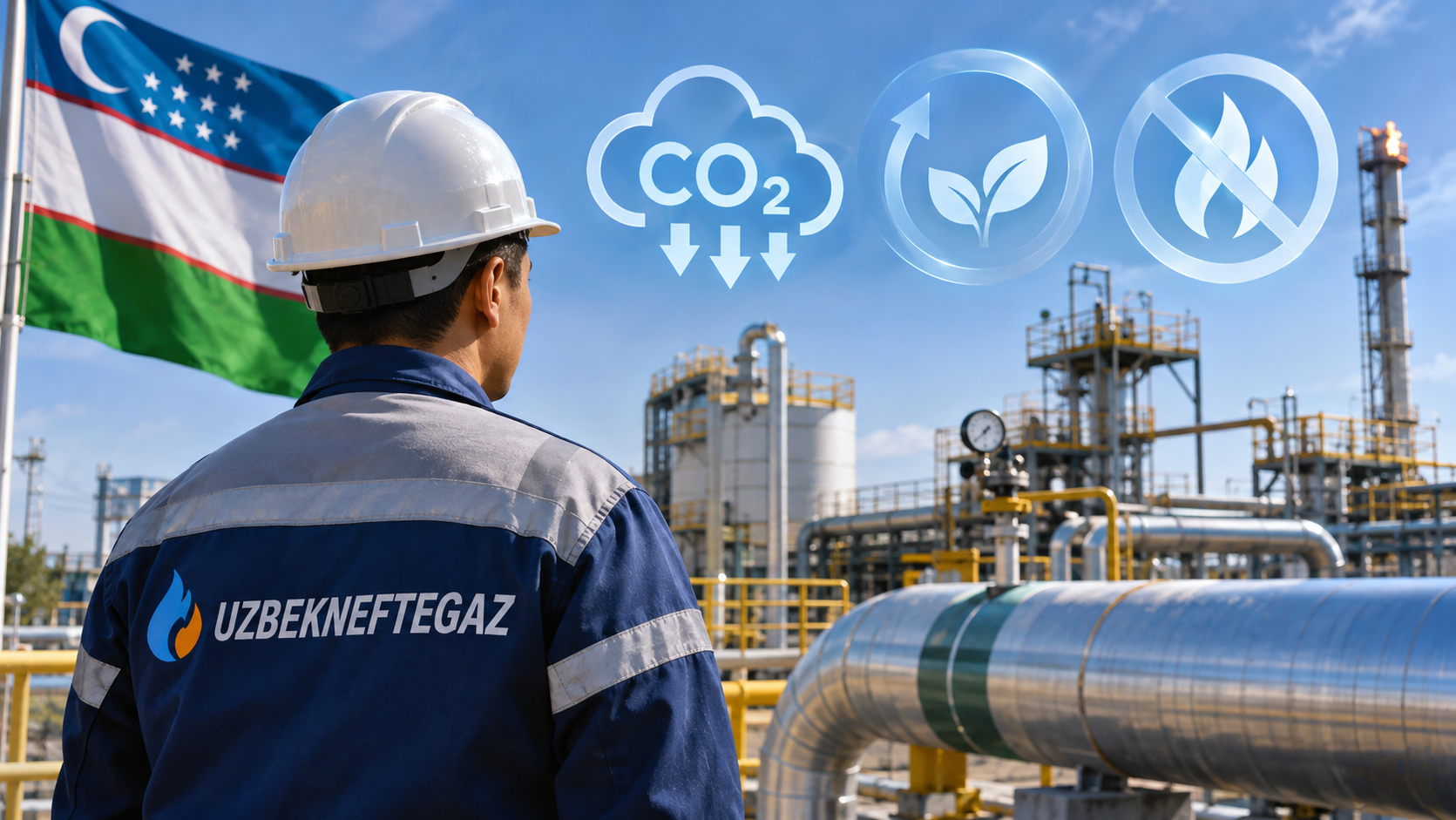
According to the company, participation will help exchange international experience, study advanced technologies and develop cooperation in greenhouse gas emissions management, writes UzDaily.
The gist in brief
- Uzbekneftegaz is named among 56 companies that have signed the charter, which has been in effect since 2023.
- Participants commit to achieving net zero greenhouse gas emissions from their operations by 2050, bringing methane emissions from production to near zero and ending routine gas flaring by 2030.
- Uzbekneftegaz's priorities: identifying and eliminating methane leaks, energy efficiency, emissions accounting and transparent reporting.
- The statement does not specify exactly when the company joined.
What the charter is
The charter was launched at the UN climate conference COP28 in 2023. Its participants commit to achieving net zero greenhouse gas emissions from their operations by 2050 or earlier, bringing methane emissions from production to practically zero by 2030 and ending routine flaring of associated gas by 2030. In addition, they must set and publicly disclose interim emissions targets for Scope 1 and Scope 2 for the period up to 2030.
What Uzbekneftegaz said
The company's information service named as priorities in the environmental sphere the identification and elimination of methane leaks (LDAR programs, i.e. leak detection and repair), improving energy efficiency, greenhouse gas emissions accounting and transparency of reporting. UzDaily retells the requirements of the charter itself, and the material contains no quantitative commitments of the company's own.
What the charter's 2026 report showed
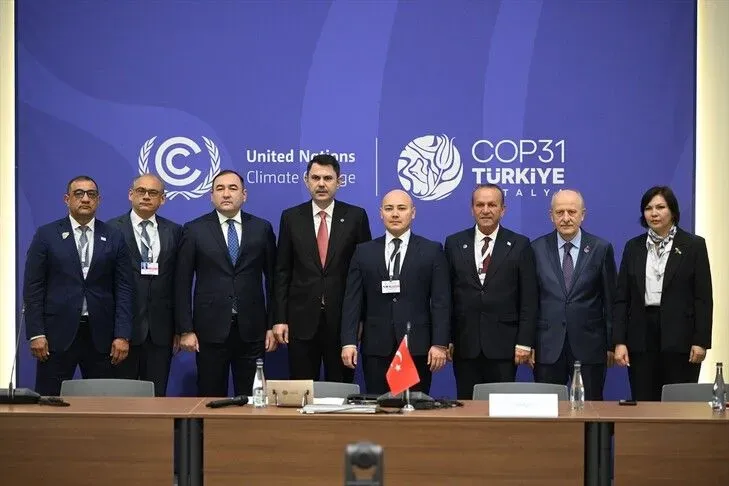
The OGDC report was published on November 10 at COP31 in Antalya, where projects on the Northern Aral Sea, saigas and methane are being shown in Kazakhstan's pavilion. According to TotalEnergies, which publishes the results as a participant in the charter, during the reporting period it had 56 companies, and Searah became the 57th participant. Emissions data was submitted by 52 of 56 companies, which account for 97% of the charter operators' production. Methane plans are in place for 39 participants, plans to end routine flaring for 42 participants, which account for 90% of production. In 2025, 34 participants reported approximately $28 billion in investments in low-carbon projects and acquisitions.
Meanwhile, in the first draft of the COP31 final decision on fossil fuels, as we wrote, there are two formulations: "phase-out" and "phase-down," and countries have not yet reached agreement.
In the OGDC release on the report, Uzbekneftegaz is not mentioned; only Searah is named as a new participant, so when the Uzbek company joined can only be judged from the company's own statement.
What is happening with emissions, gas and climate in the region
Additional funds may be allocated to Kazakhstan's climate projects. Environmentalists in Ust-Kamenogorsk have again detected excess emissions standards at the Kaztsink site, and employees of the ecology department of Pavlodar region were not allowed into Ekibastuz GRES-1 after residents complained about ash. In 2025, each resident of Pavlodar region accounted for 882.1 kg of emissions from stationary sources, the most in the country, and the Clean Air consortium may combine air data from Kazakhstan and Uzbekistan. Also in Uzbekistan, the volume of seismic exploration grew fivefold, and five gas fields were found.
Author's conclusion
Participation in the charter is so far a declaration: Uzbekneftegaz named its priorities but did not provide timelines or figures for its own emissions. The real picture will be provided by the company's first data on emissions and methane leaks, which charter participants are obliged to disclose.
Comments ()